High Initial Investment and Installation Costs
Fiber optic photoelectric sensors, while offering distinct advantages in specific environments, present a significant financial barrier to entry for many industrial operations. The initial procurement cost of these sensors is substantially higher compared to conventional photoelectric or proximity sensors. This expense is not limited to the sensor unit itself; it extends to the specialized optical fibers, precise alignment fixtures, and often proprietary connectors required for a functional system. Installation demands a higher level of technical expertise, frequently necessitating certified technicians for proper setup and calibration. The process of splicing fibers, ensuring optimal alignment to maximize signal integrity, and configuring the associated electronics is time-consuming and labor-intensive. For small to medium-sized enterprises or applications requiring a large number of sensing points, this cumulative cost can be prohibitive, challenging the return on investment calculation unless the application absolutely necessitates their unique capabilities.
Sensitivity to Physical Damage and Environmental Stress
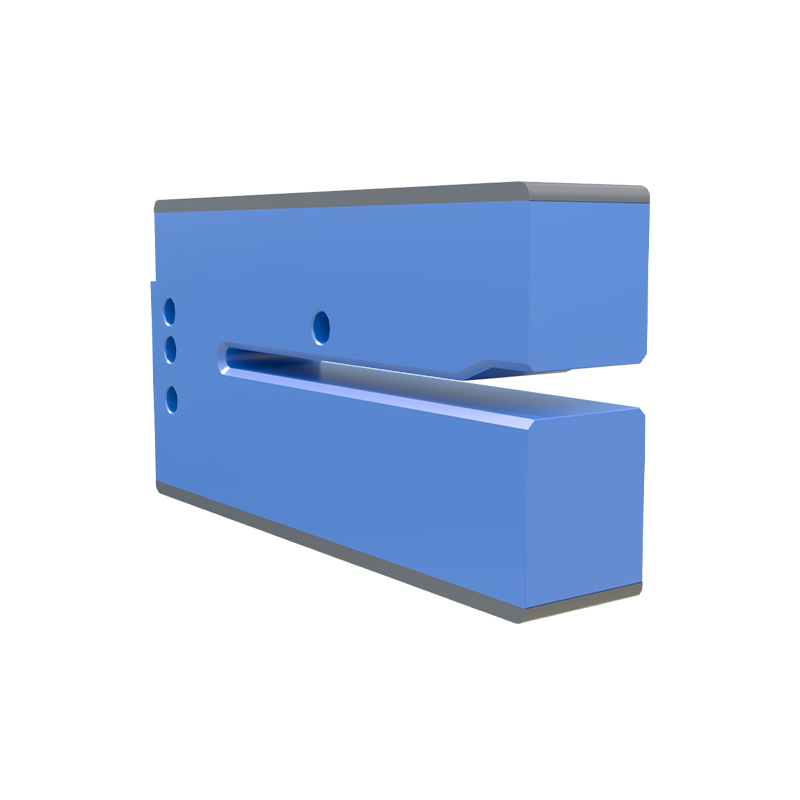
The very component that gives these sensors their functionality—the optical fiber—is also a primary point of vulnerability. Glass or plastic optical fibers are inherently fragile and susceptible to breakage from bending beyond their minimum bend radius, crushing, or vibration. In harsh industrial settings with heavy machinery, moving parts, or frequent maintenance activities, protecting these delicate fibers becomes a critical and ongoing concern. Conduits, protective sleeving, and careful routing are mandatory, adding to complexity and cost. Furthermore, prolonged exposure to certain chemicals, oils, or extreme temperatures can degrade the fiber's cladding or core material, leading to increased signal attenuation (loss) and eventual sensor failure. This sensitivity limits their plug-and-play robustness in environments where traditional sensors might survive with minimal protection.
Complexity in Alignment and Maintenance
Achieving and maintaining precise optical alignment is a persistent challenge. The sensor's operation depends on the efficient transmission of light from the emitter fiber, through the target area, and into the receiver fiber. Any misalignment, however slight, due to thermal expansion, mechanical shock, or gradual drift, can drastically reduce signal strength and cause false readings or detection failures. Maintenance and troubleshooting are more complex than with standard electrical sensors. Diagnosing a problem requires specialized equipment, such as optical power meters or optical time-domain reflectometers (OTDRs), to determine if the issue lies in the fiber, the connector, the light source, or the detector. Replacing a damaged fiber segment often involves precise cleaving and splicing, a skill not commonly held by general plant maintenance personnel.
Limited Sensing Range and Target Dependency
While excellent for small, precise detection tasks, fiber optic photoelectric sensors generally have a shorter effective sensing range than their bulky, self-contained counterparts. The light output from an emitter fiber is less powerful than from a dedicated LED or laser diode housed in a standard sensor body. This makes them less suitable for applications requiring detection over distances of several meters. Their performance is also highly dependent on the optical properties of the target. Variations in color, reflectivity, surface finish, or transparency can significantly affect the amount of light reflected or transmitted back to the receiver. This necessitates careful sensor selection and tuning for each specific target material, reducing flexibility in applications where the target characteristics may vary.
Susceptibility to Contamination and Fouling
The small apertures of the fiber optic tips are prone to contamination from dust, dirt, oil mist, or condensation, which can block or scatter the light beam. In dirty manufacturing environments—such as machining, woodworking, or food processing—this necessitates regular cleaning schedules to ensure reliable operation. Some models feature air purge options to keep the lens clear, but this adds to system complexity and requires a clean, dry air supply. This susceptibility to fouling makes them a less ideal "fit-and-forget" solution compared to certain capacitive or inductive sensors that can be encapsulated and are less affected by surface deposits on their face.
Integration and System Complexity
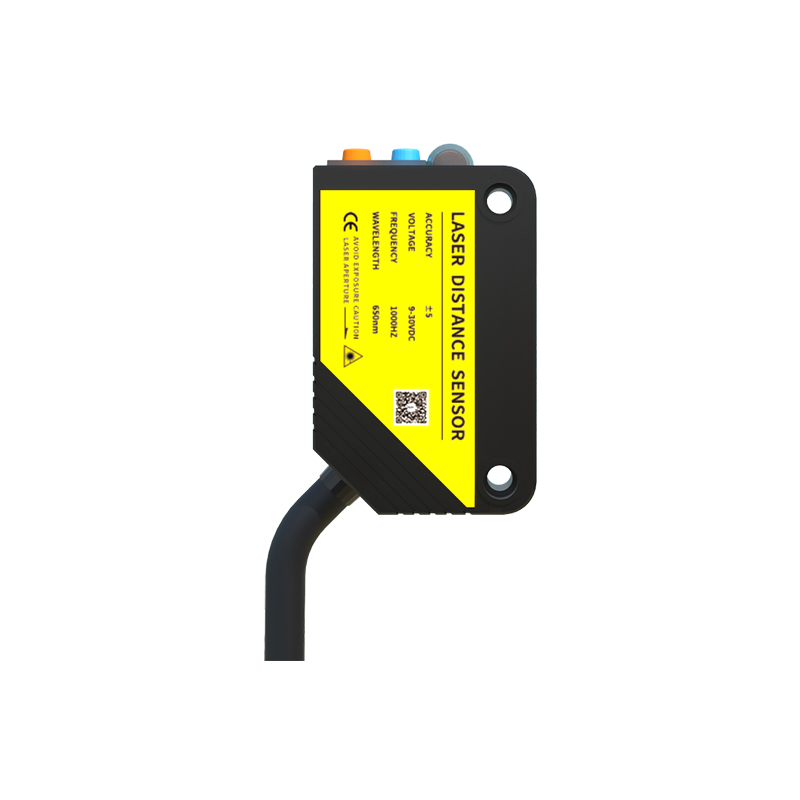
Integrating a fiber optic photoelectric sensor system into a broader industrial control network (e.g., PLC, DCS) often involves additional components. These typically include a separate amplifier or controller unit that houses the light source (LED or laser) and photodetector, to which the fibers are connected. This creates a more complex system architecture with more points of potential failure (fibers, connectors, amplifier). The setup and parameterization of the amplifier, including setting thresholds for detection, often require a separate interface or software, adding steps to the commissioning process. For simple presence/absence detection, this added complexity can be overkill compared to a single, integrated sensor unit with a direct electrical output.