What is a Reflective Photoelectric Sensor?
A reflective photoelectric sensor, often simply called a reflective sensor, is a core component in modern industrial automation. Its fundamental operating principle involves a built-in light emitter and a receiver positioned in close proximity. The emitter projects a beam of light, typically infrared or visible red LED, towards a target. When this beam strikes the target, a portion of the light is reflected back towards the sensor. The integrated receiver detects this reflected light. The sensor's internal circuitry then processes this signal, triggering an output switch—either ON or OFF—based on the presence or absence of the detected reflection. This non-contact detection method makes it exceptionally reliable for counting, positioning, and detecting objects on high-speed production lines.
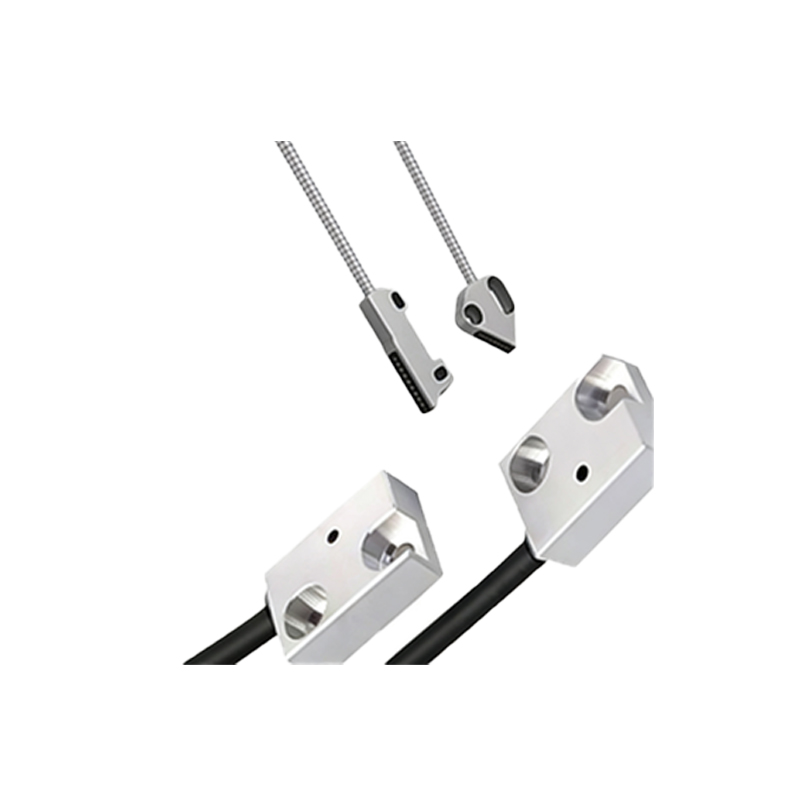
The Standard English Terminology
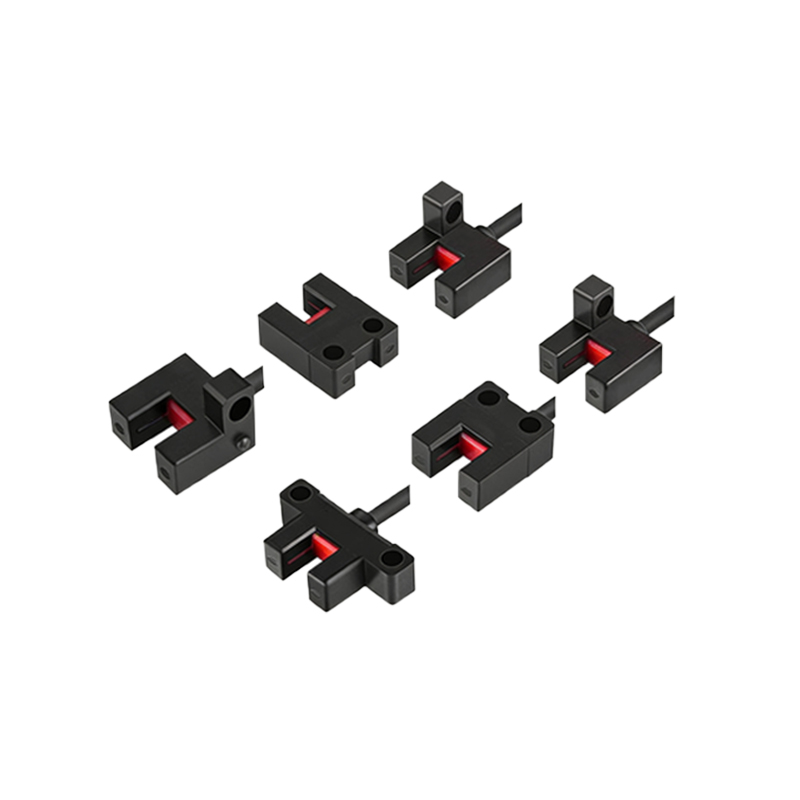
The universally accepted and precise English name for this device is the "Reflective Photoelectric Sensor." This terminology is consistent across technical datasheets, engineering catalogs, and academic literature. It is crucial to distinguish it from other photoelectric sensor types. For instance, a "Through-Beam Sensor" (or opposed mode sensor) uses separate emitter and receiver units placed opposite each other. A "Diffuse Sensor" (or proximity mode) often has the emitter and receiver at an angle and detects light scattered from a nearby object. The "Reflective" designation specifically implies the detection of a beam reflected directly back from a target, often utilizing a retro-reflector for longer ranges or specific applications.
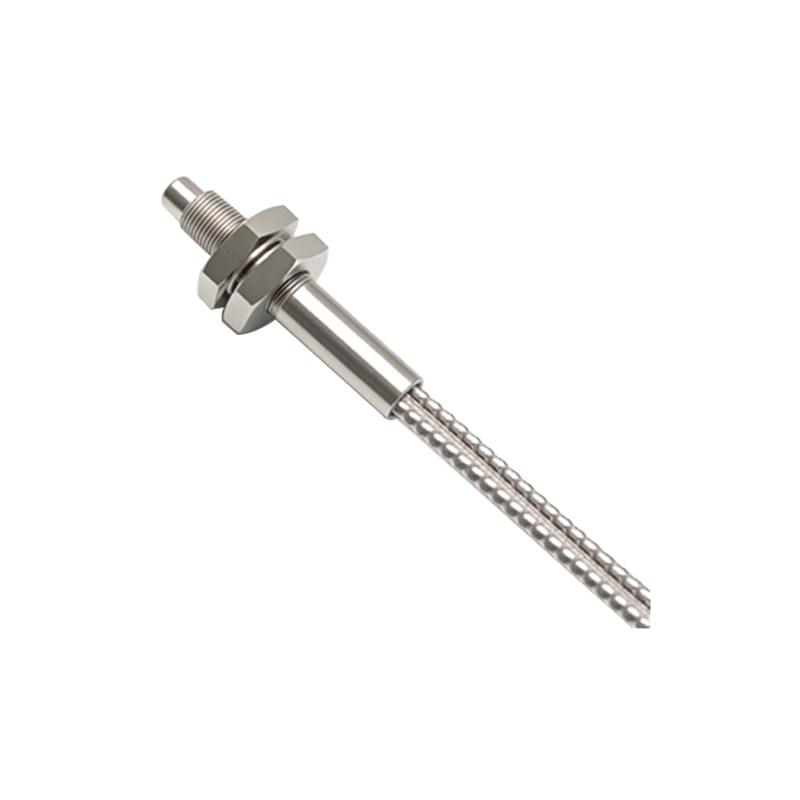
Key Components and Operational Modes
A standard reflective photoelectric sensor comprises several key elements. The light source is usually a modulated LED to combat ambient light interference. The receiver is a phototransistor or photodiode tuned to the emitter's wavelength. Advanced models include potentiometers for sensitivity adjustment and teach-in functions for easy setup. There are two primary sub-categories within reflective sensors. First is the "Standard Reflective" type, where the sensor detects light reflected directly from the object itself. The second is the "Retro-reflective" type. This version uses a specialized reflector, like a corner-cube prism, which returns the light beam directly to its source. This allows for much longer sensing distances compared to the standard diffuse reflection from an object.
Industrial Applications and Advantages
The applications for reflective photoelectric sensors are vast and critical. They are deployed for object detection on conveyor belts, bottle cap presence verification in packaging, label detection, and wafer counting in electronics manufacturing. Their non-contact nature eliminates mechanical wear and tear, ensuring long service life and reduced maintenance. They offer high-speed response, capable of detecting objects moving at several meters per second. Furthermore, their compact size allows for installation in space-constrained environments. The ability to sense a wide variety of materials—from metal and plastic to glass and paper—makes them incredibly versatile across different industries, including automotive, food and beverage, and pharmaceuticals.
Selection Criteria and Considerations
Selecting the correct reflective photoelectric sensor requires careful analysis of the application parameters. The sensing distance is paramount; one must choose between a standard reflective model for short-range detection of non-shiny objects or a retro-reflective model for longer ranges. The target's properties, such as color, material, and surface finish (matte vs. glossy), significantly affect performance, as they determine the amount of light reflected. Environmental factors like dust, fog, or ambient light from factory lamps must be considered, often necessitating sensors with robust housings (IP67/IP69K ratings) and modulated light sources to ensure stable operation. Finally, the output type (PNP/NPN, analog, or IO-Link) must be compatible with the existing control system, such as a PLC.
Future Trends and Integration
The evolution of reflective photoelectric sensors is closely tied to Industry 4.0 and smart factory concepts. Modern sensors are increasingly equipped with digital communication protocols like IO-Link. This allows for bidirectional data exchange, enabling remote configuration, real-time diagnostics, and predictive maintenance alerts. Furthermore, advancements in LED technology and receiver sensitivity are leading to sensors with even longer ranges and higher precision. The integration of background suppression technology in some reflective models allows them to ignore objects beyond a set distance, adding another layer of application specificity. As automation demands greater intelligence and connectivity, the humble reflective photoelectric sensor continues to be a fundamental, yet increasingly sophisticated, eye on the production floor.