Understanding Photoelectric Sensor Types
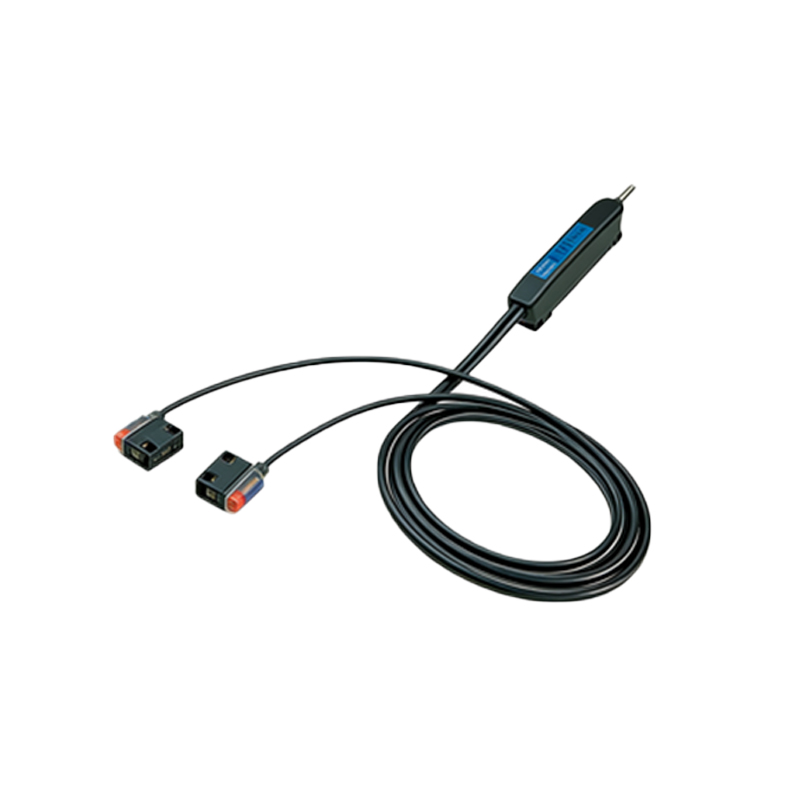
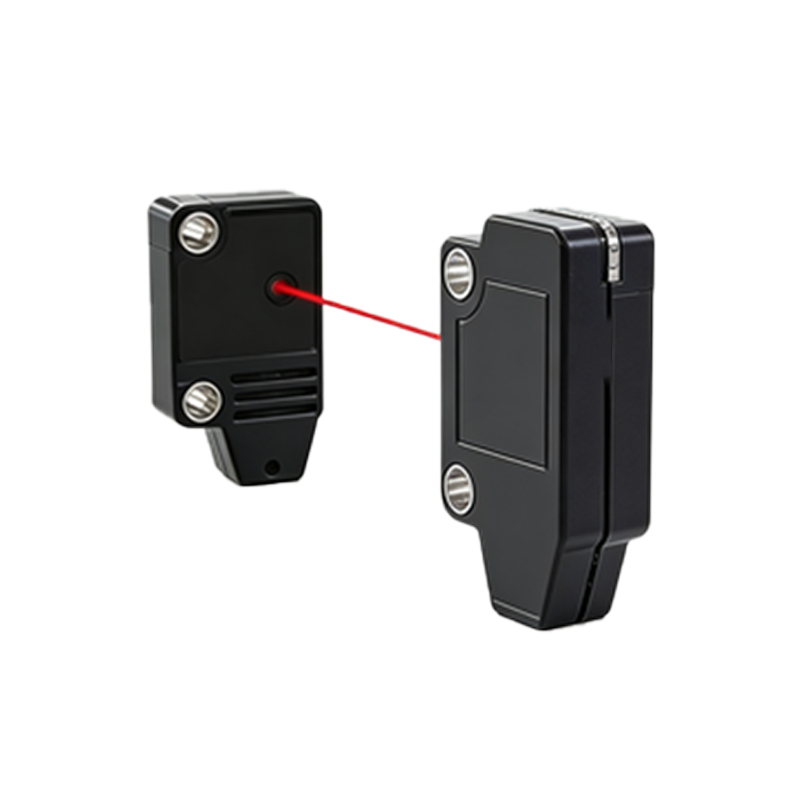
Navigating the market for photoelectric sensors begins with a clear understanding of the primary types available. The three fundamental categories are through-beam, retro-reflective, and diffuse (proximity) sensors. Through-beam sensors consist of separate emitter and receiver units, offering the longest sensing ranges and highest reliability in dirty environments, as the beam is only interrupted by the target. Retro-reflective sensors house both emitter and receiver in one housing, bouncing the beam off a reflector, providing a good balance of range and ease of installation. Diffuse sensors detect the target by reflecting light directly off its surface, making them compact and ideal for close-range detection where mounting a reflector or separate receiver is impractical. Selecting the correct type is the critical first step before sourcing.
Specialized Industrial Distributors and Suppliers
For professional, high-reliability applications, specialized industrial distributors are the primary and most recommended channel. Companies like Allied Electronics, Digi-Key, and Grainger in North America, or RS Components and Farnell across Europe and globally, maintain vast inventories of sensors from leading manufacturers such as Omron, Sick, Keyence, Banner Engineering, and Pepperl+Fuchs. These distributors offer detailed technical specifications, datasheets, application notes, and certified components. They cater to engineers and procurement specialists, providing volume pricing, technical support, and reliable supply chains crucial for production environments and system integration projects.
Manufacturer Direct Sales and Online Portals
Many leading photoelectric sensor manufacturers operate direct sales channels and comprehensive e-commerce portals. Purchasing directly from the manufacturer, like through Omron's online store or Sick's Mall, ensures access to the full product portfolio, including the latest models and specialized variants. This channel often provides the most accurate technical support, detailed configuration tools, firmware updates, and direct application engineering assistance. It is particularly advantageous for complex projects requiring custom solutions or deep technical integration, though minimum order quantities may sometimes apply for direct purchases.
General-Purpose Online Marketplaces
General online marketplaces like Amazon Business or eBay can be sources for photoelectric sensors, particularly for prototyping, hobbyist projects, or urgent replacement of a non-critical component. However, this channel requires significant caution. Buyers must meticulously verify seller ratings, ensure the component is genuine and not counterfeit, and confirm that the listed specifications exactly match the required model. Availability of technical documentation and reliable warranty support is often limited. For mission-critical industrial automation, this is generally not the preferred or safest procurement route due to risks of product authenticity and inconsistent quality.
Local Electrical and Automation Supply Houses
For immediate needs or small-quantity purchases, local electrical supply houses and automation specialists can be invaluable. These brick-and-mortar stores often carry a selection of common sensor models from major brands. The key advantage is the ability to get a component in hand quickly, receive personalized advice from experienced staff, and sometimes even test a unit. They serve as excellent partners for local factories, maintenance teams, and system integrators who require prompt service and local support relationships, though their inventory breadth may be less extensive than national distributors.
Key Considerations Before Purchase
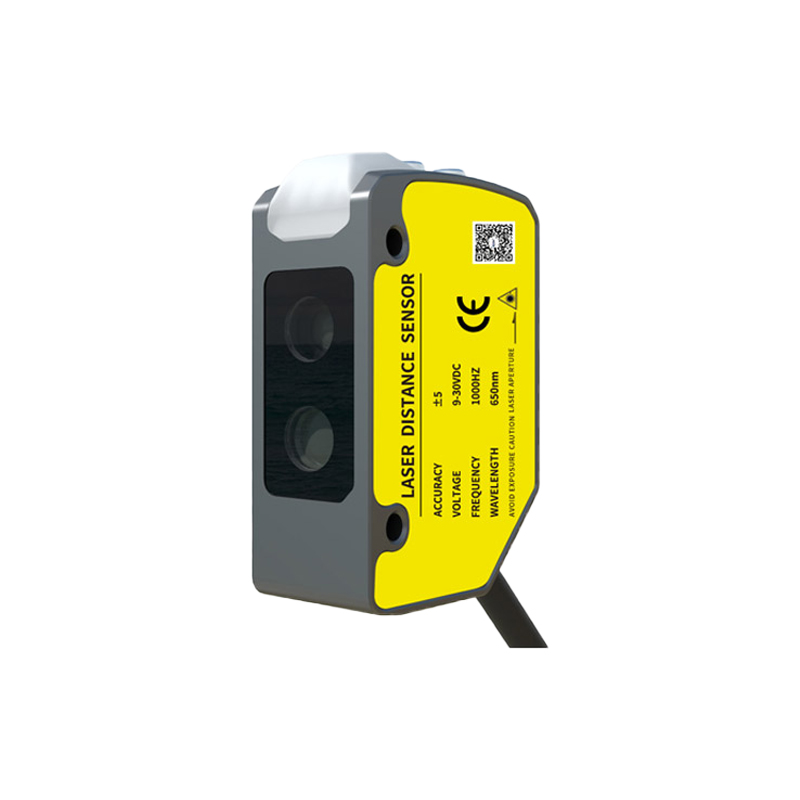
Regardless of the chosen supplier, several technical and commercial factors must be confirmed. Technically, ensure the sensor's sensing range, light source (e.g., red LED, laser, infrared), output type (PNP/NPN, analog, IO-Link), housing material (e.g., metal, plastic), and environmental ratings (IP67, NEMA) meet the application demands. Commercially, verify stock availability, lead times, pricing tiers for your required quantity, return policies, and the authenticity of certification marks. Always consult the official datasheet from the manufacturer's website as the single source of truth for specifications before finalizing any purchase from a third-party vendor.