Understanding Photoelectric Sensor Basics
Photoelectric sensors are widely used in industrial automation for detecting objects, measuring distances, and ensuring precise control in manufacturing processes. These sensors operate by emitting a light beam—typically infrared, visible, or laser—and detecting changes in the received light due to the presence or absence of an object. The core components include an emitter, a receiver, and a processing unit that interprets the signal. Properly setting the sensor values is critical to avoid false triggers, ensure reliability, and extend the sensor's lifespan. Factors such as the sensing mode (through-beam, retro-reflective, or diffuse), environmental conditions, and target material all influence the optimal settings. Engineers must first grasp these fundamentals before adjusting numerical parameters like sensitivity, response time, and hysteresis.
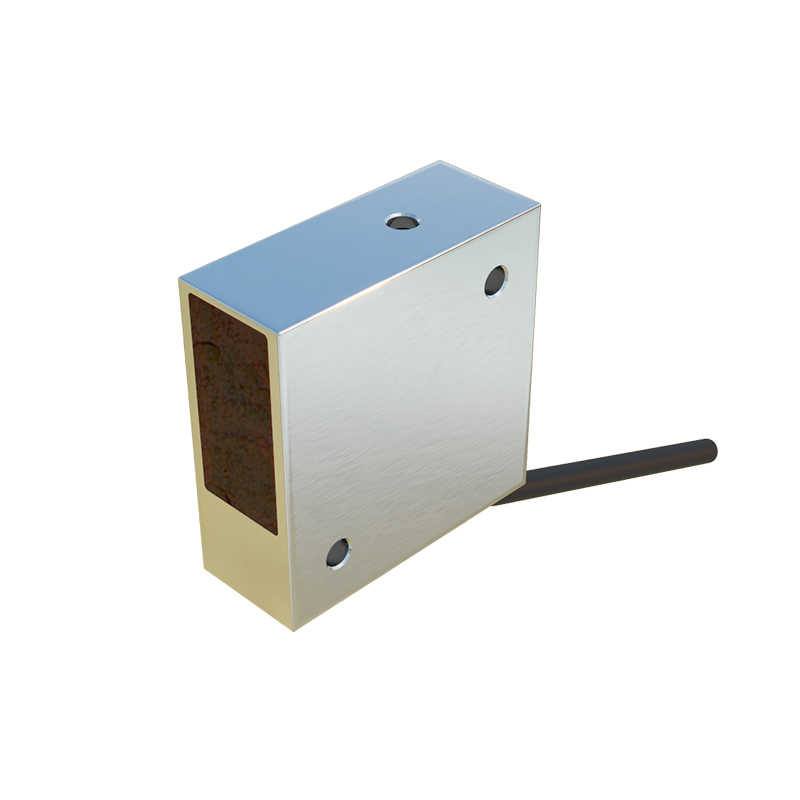
Key Parameters for Value Adjustment
Several numerical settings determine a photoelectric sensor's performance. Sensitivity, often expressed as a percentage or digital value, controls how much light change triggers detection. For example, in diffuse sensors, higher sensitivity may be needed for dark or non-reflective targets, while lower sensitivity prevents false readings from background interference. Response time, measured in milliseconds, defines how quickly the sensor reacts to changes; faster times suit high-speed applications but may increase noise susceptibility. Hysteresis, a built-in delay to prevent chatter, should be set based on object movement speed and stability requirements. Additionally, teach-in functions allow automatic calibration by storing reference values for specific conditions, simplifying setup in dynamic environments.
Step-by-Step Guide to Setting Values
To set photoelectric sensor values effectively, start by installing the sensor according to the manufacturer's guidelines, ensuring proper alignment and clean lenses. Power on the system and access the settings via a push-button interface or software tool. First, adjust the sensitivity: place the target object in the sensing area and increase the value until consistent detection occurs, then reduce it slightly to avoid over-sensitivity. Next, set the response time based on application speed; for conveyor systems, match it to the object's transit time. Configure hysteresis to at least 10-20% of the sensing range to stabilize output signals. Finally, use teach-in modes if available, especially for varying targets or harsh conditions, and test with multiple cycles to verify reliability.
Common Challenges and Troubleshooting
Incorrect value settings often lead to issues like false positives, missed detections, or sensor drift. Environmental factors such as dust, humidity, or ambient light can interfere with readings; in such cases, increase hysteresis or use sensors with background suppression features. For transparent or shiny objects, adjust sensitivity carefully and consider polarized filters. If the sensor fails to detect consistently, check for alignment errors or dirty optics, and recalibrate using a stable reference. Regular maintenance, including cleaning and firmware updates, helps sustain optimal performance. Documenting settings for different scenarios can streamline future adjustments and reduce downtime.
Best Practices for Long-Term Performance
Maintaining photoelectric sensors requires ongoing attention to value settings. Implement periodic recalibration, especially after environmental changes or system upgrades. Use shielded cables and proper grounding to minimize electrical noise that could affect numerical stability. Opt for sensors with IP ratings suited to the operating environment—e.g., IP67 for dusty or wet areas—to prevent physical damage. Collaborate with manufacturers for application-specific advice, as advanced models offer adaptive algorithms that self-adjust values. By following these practices, engineers can ensure sensors deliver accurate, repeatable results, enhancing overall system efficiency and reducing maintenance costs over time.