Introduction to High-Sensitivity Photoelectric Sensing
High-sensitivity photoelectric sensors represent a critical advancement in sensing technology, designed to detect minute changes in light intensity with exceptional precision. Unlike standard photoelectric sensors, these devices can reliably sense extremely low-reflectivity targets, transparent objects, or detect subtle positional changes over long distances. Their core principle remains the conversion of light signals into electrical signals, but through sophisticated optical design, advanced signal processing algorithms, and high-quality photodetectors, they achieve a signal-to-noise ratio that is orders of magnitude better. This enables them to perform in challenging conditions where traditional sensors would fail, making them indispensable for applications demanding the highest levels of accuracy and reliability.
Core Technologies and Operating Principles
The enhanced performance of high-sensitivity photoelectric sensors is underpinned by several key technologies. First, the use of focused, high-intensity LED or laser light sources provides a stable and concentrated beam. Second, high-quality receiver elements, such as PIN photodiodes or avalanche photodiodes (APDs), are employed for their superior responsiveness to weak light signals. Third, integrated amplifiers and microprocessors utilize advanced filtering techniques to distinguish the target signal from ambient light noise and electrical interference. Common operating modes include through-beam, where the transmitter and receiver are separate units for maximum range and sensitivity; retro-reflective, using a reflector; and diffuse-reflective, where the sensor detects light reflected directly from the target. The diffuse-reflective mode, in particular, benefits immensely from high sensitivity for detecting low-reflectivity surfaces.
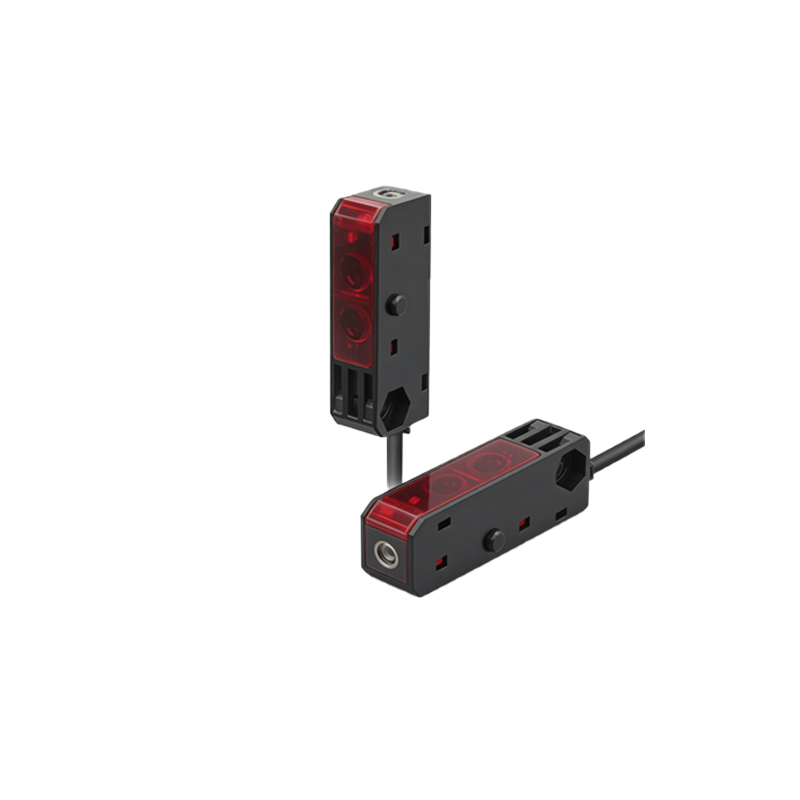
Revolutionizing Industrial Automation
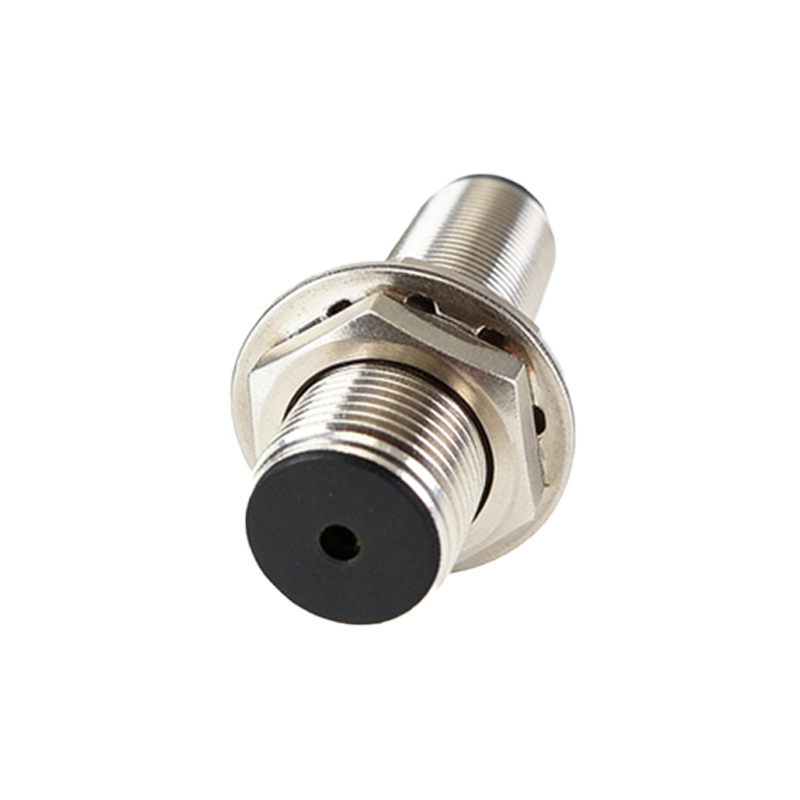
In industrial automation, these sensors are pivotal for quality control and precise positioning. They are deployed on high-speed production lines to detect the presence of transparent glass vials, thin plastic films, or faint marks on packaging—tasks impossible for standard sensors. In semiconductor manufacturing, they ensure the exact alignment of wafers and inspect microscopic circuit patterns for defects. Robotic arms rely on them for precise pick-and-place operations of delicate or shiny components. Furthermore, in automated assembly, they verify the presence of tiny screws or O-rings, preventing costly assembly errors and downtime. Their ability to function reliably despite contamination from dust or oil mist (with appropriate protective housings) further solidifies their role in harsh industrial environments.
Critical Applications in Scientific and Medical Fields
Beyond the factory floor, high-sensitivity photoelectric sensors enable breakthroughs in scientific research and medical technology. In laboratory automation, they are integral to analytical instruments like spectrophotometers and particle counters, detecting minute changes in light absorption or scattering. Medical devices, such as automated hematology analyzers, use them to count and size blood cells by detecting light blocked or scattered by individual cells. Flow cytometers depend on their precision to analyze the physical and chemical characteristics of cells or particles. Their non-contact nature and high precision also make them suitable for sensitive biomedical research, including monitoring microfluidic channels and studying cell motility.
Enhancing Safety and Security Systems
Safety and security systems leverage the long-range and precise detection capabilities of these sensors. They form the backbone of advanced safety light curtains and laser scanners that create invisible protection zones around dangerous machinery, instantly halting operation if a breach is detected. In security, they are used in perimeter protection systems to detect intruders over long distances with minimal false alarms, even in adverse weather conditions. Their sensitivity allows for the detection of very small objects or subtle movements, providing a higher level of security for critical infrastructure. Additionally, they are found in touchless activation systems for public amenities, promoting hygiene.
Integration with Industry 4.0 and IoT
The advent of Industry 4.0 and the Industrial Internet of Things (IIoT) has amplified the value of high-sensitivity photoelectric sensors. Modern sensors come equipped with digital interfaces (IO-Link, Ethernet/IP, PROFINET) that provide not just a binary detection signal but also rich diagnostic data. This includes parameters like received light intensity, signal stability, temperature, and operating hours. This data enables predictive maintenance, where potential sensor degradation or lens contamination can be identified before causing a failure. Integrated into a networked system, these sensors contribute to data-driven decision-making, optimizing entire production processes for efficiency, flexibility, and reduced waste.
Selection Criteria and Implementation Best Practices
Selecting the right high-sensitivity sensor requires careful analysis of the application. Key factors include the target's size, material, reflectivity, and required sensing distance. Environmental conditions like ambient light, temperature, and the presence of contaminants must be considered. It is crucial to choose a sensor with an appropriate sensing mode and a sufficient excess gain (a measure of signal strength margin) for the specific task. During installation, precise alignment is paramount, especially for through-beam and retro-reflective types. Regular maintenance, such as lens cleaning and checking for mechanical misalignment, ensures long-term reliability. Consulting technical datasheets and leveraging manufacturer support during the design phase is highly recommended.
Future Trends and Developments
The future of high-sensitivity photoelectric sensing is geared towards even greater intelligence, miniaturization, and integration. Developments in MEMS (Micro-Electro-Mechanical Systems) technology will lead to smaller, more power-efficient sensors. The integration of artificial intelligence directly at the edge (sensor level) will allow for adaptive sensing, where the sensor can learn and compensate for changing environmental conditions or identify complex object patterns. Furthermore, the fusion of photoelectric sensing with other sensing modalities, such as vision or distance measurement, will create multi-functional smart sensors capable of providing richer contextual data for more autonomous and intelligent systems.