Introduction to Photoelectric Sensing Technology
Photoelectric sensors are fundamental components in modern industrial automation, particularly within Distributed Control Systems (DCS) and Programmable Logic Controllers (PLC) environments like those utilizing DXP platforms. These sensors operate on the principle of converting light signals into electrical signals to detect the presence, absence, or distance of an object. The core mechanism involves a light emitter, typically an LED or laser diode, and a receiver, such as a phototransistor or photodiode. When the emitted light beam is interrupted or reflected by a target object, the change is detected by the receiver, triggering an output signal. This non-contact method offers significant advantages over mechanical switches, including higher reliability, faster response times, and minimal wear and tear. In DXP-based systems, which prioritize precise, distributed control across complex processes, the integration of robust and accurate sensing technology is paramount for operational efficiency and safety.
Core Operating Modes and Selection Criteria
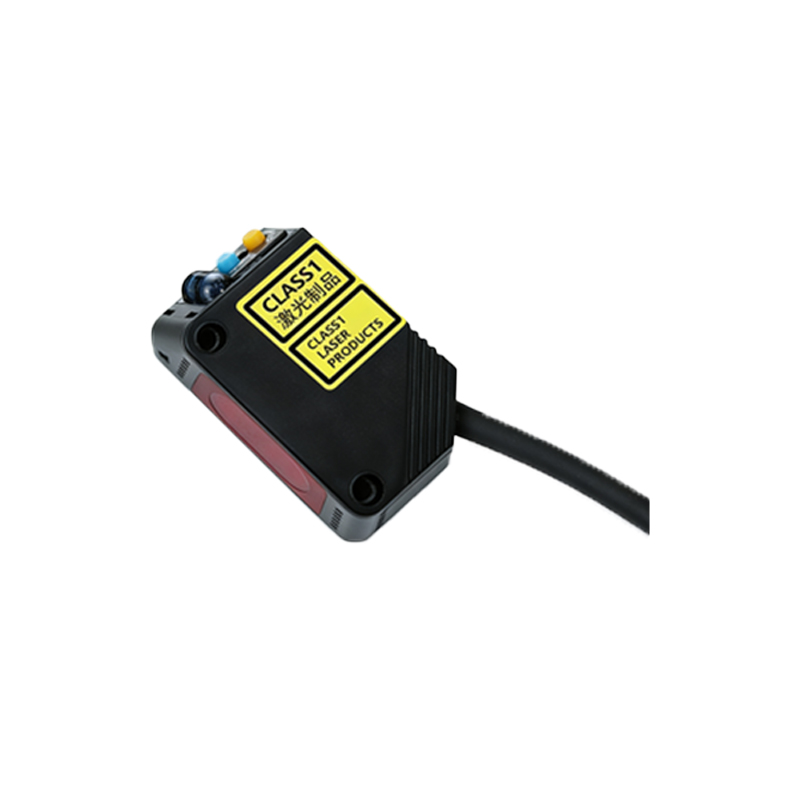
Selecting the appropriate photoelectric sensor for a DXP application requires a deep understanding of the three primary operating modes: through-beam, retro-reflective, and diffuse reflective. Through-beam sensors, consisting of separate emitter and receiver units, offer the longest sensing ranges and highest reliability, ideal for precise object detection on high-speed conveyor lines controlled by DXP I/O modules. Retro-reflective sensors use a single unit and a reflector, providing a good balance of range and ease of installation, suitable for detecting objects on palletizing systems. Diffuse reflective sensors detect light reflected directly from the target, making them perfect for sensing objects at close range or where mounting a reflector is impractical, such as in packaging machinery. Key selection parameters for DXP integration include sensing distance, response time (critical for synchronizing with DXP scan cycles), light source type (red, infrared, or laser for different materials), and output configuration (PNP/NPN, analog, or IO-Link) to ensure seamless communication with the DXP controller's input cards.
Integration with DXP Control Architecture
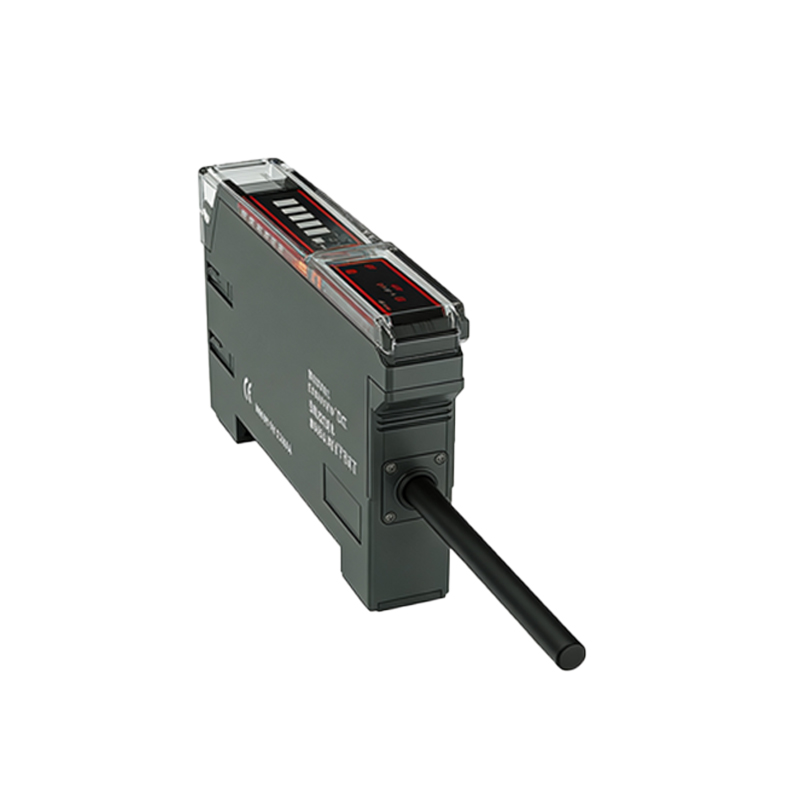
The true power of photoelectric sensors is realized through their seamless integration into the DXP control architecture. Modern sensors offer digital communication protocols like IO-Link, which transforms a standard binary sensor into an intelligent device. Through IO-Link, a sensor connected to a DXP-compatible master module can transmit not just a switch signal, but also detailed diagnostic data, parameter settings, and process values (e.g., intensity of the received light). This allows for predictive maintenance, as the DXP system can monitor sensor contamination or LED aging, scheduling downtime before a failure occurs. Furthermore, parameters like sensitivity or time delays can be configured remotely from the DXP engineering software, drastically reducing commissioning and changeover times. This level of integration supports the DXP philosophy of centralized configuration and decentralized, intelligent execution.
Addressing Environmental and Application Challenges
Industrial environments present significant challenges that photoelectric sensors in DXP systems must overcome. Dust, steam, vibration, and ambient light can all interfere with optical sensing. Engineers must specify sensors with adequate Ingress Protection (IP) ratings, robust housings, and specialized optical filters. For instance, sensors with polarized lenses are essential to ignore reflections from shiny surfaces like metal cans. In washdown environments common in food and beverage plants, stainless steel housings and high IP69K ratings are mandatory. The DXP system's logic can be programmed with filtering routines and timing functions to debounce signals and ignore transient environmental noise, ensuring stable and reliable operation. Advanced background suppression (BGS) and foreground suppression (FGS) technologies enable sensors to ignore objects beyond or before a set distance, crucial for precise positioning in automated storage and retrieval systems.
Advanced Features and Future Trends
The evolution of photoelectric sensing continues to enhance DXP system capabilities. Laser-based sensors now offer micrometer-level precision for gauging and positioning tasks. Luminescence sensors can detect invisible marks for product tracking. The convergence of sensing and vision is also notable, with smart sensors capable of simple pattern recognition or contrast detection, offloading basic inspection tasks from more complex vision systems. Looking forward, the trend is toward greater intelligence and connectivity. Sensors with embedded Ethernet/IP or PROFINET interfaces will communicate directly on the DXP network, simplifying topology. Furthermore, the integration of Artificial Intelligence at the edge will enable sensors to perform self-diagnostics and adaptive calibration, pushing the boundaries of autonomous operation within the DXP framework, ultimately leading to more resilient and self-optimizing industrial systems.