Introduction to Photoelectric Sensing Technology
Photoelectric sensors are fundamental components in modern industrial automation, providing non-contact detection of objects. The A50 series represents a robust and versatile family within this category. These sensors operate by emitting a beam of light, typically from an LED, and detecting changes in the received light intensity caused by the presence or absence of a target object. This principle allows for highly reliable and fast detection across various conditions. The A50 series is engineered for demanding environments, offering consistent performance where other sensing methods might fail. Their ability to detect a wide range of materials, including glass, metal, plastic, and liquids, makes them indispensable on factory floors, packaging lines, and material handling systems worldwide.
Core Operating Principles of the A50 Series
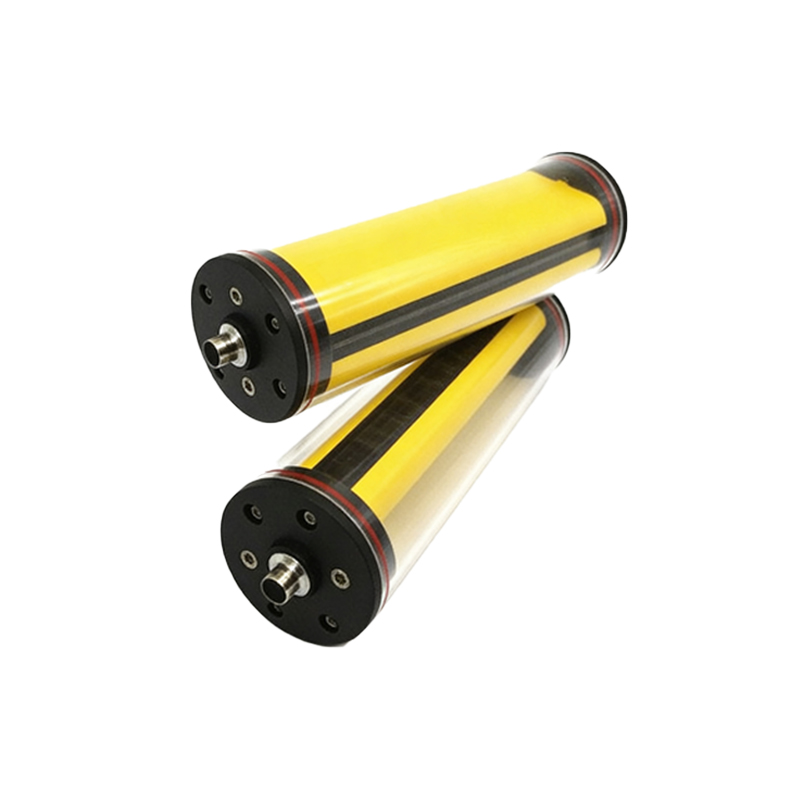
The functionality of an A50 photoelectric sensor hinges on three primary components: an emitter, a receiver, and a control circuit. The emitter projects a modulated light beam—often infrared, red, or laser—to minimize interference from ambient light. The receiver, positioned to capture this beam, converts the light signal into an electrical signal. The control circuit then processes this signal. Detection occurs through one of three main methods. In the through-beam (or opposed) mode, the emitter and receiver are separate units; an object is detected when it interrupts the beam. The retro-reflective mode uses a single housing containing both emitter and receiver, along with a reflector; detection happens when the object blocks the beam's path to and from the reflector. Finally, the diffuse (or proximity) mode relies on the target object itself to reflect light back to the receiver within the same housing.
Key Features and Technical Specifications
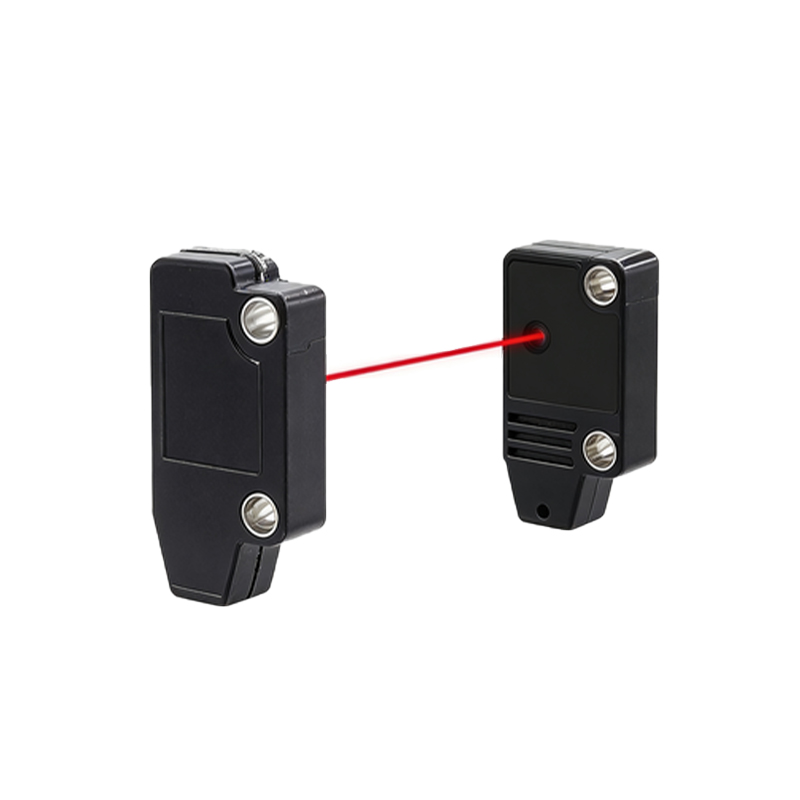
A50 photoelectric sensors are distinguished by a set of features designed for industrial durability and precision. They typically offer a sensing range that can vary from a few centimeters to several meters, depending on the model and sensing mode. Many models come with a built-in potentiometer or teach-in function for easy adjustment of sensitivity, allowing engineers to fine-tune the sensor to specific applications and avoid false triggers. A critical feature is the robust housing, often rated at IP67 or higher, providing resistance to dust, water jets, and mechanical impact. Electrical specifications commonly include a wide operating voltage range (e.g., 10-30V DC) and both NPN and PNP output configurations for seamless integration with different PLCs and control systems. Response times are exceptionally fast, enabling detection of high-speed objects on conveyor belts.
Exploring Different Types and Models
The A50 series encompasses a variety of models to suit diverse application needs. The primary categorization is by sensing mode: Through-beam A50 sensors offer the longest range and highest reliability for precise detection points. Retro-reflective A50 models provide a practical solution for applications where mounting sensors on both sides of the target is impractical. Diffuse reflective A50 sensors are ideal for detecting objects at a specific distance without a separate reflector. Furthermore, specialized versions exist, such as background suppression sensors that ignore objects beyond a set distance, and color mark sensors that detect contrast differences. Some A50 variants also feature fiber optic amplifiers, allowing sensing in extremely tight or high-temperature spaces using flexible light guides.
Typical Industrial Applications and Use Cases
The versatility of A50 photoelectric sensors leads to their deployment in countless industrial scenarios. In packaging machinery, they are used for detecting product presence, counting items, and verifying label placement. On assembly lines, they ensure components are in the correct position before a robotic arm performs an operation. In material handling, A50 sensors control the fill level in bins, detect jams on conveyors, and position pallets for automated storage and retrieval systems (AS/RS). They are also crucial in the automotive industry for part verification and in the electronics sector for PCB board positioning. Their reliability in detecting transparent objects, like bottles, makes them perfect for beverage and pharmaceutical production lines.
Installation, Alignment, and Best Practices
Proper installation is paramount for optimal A50 sensor performance. For through-beam sensors, precise alignment of the emitter and receiver is critical; many models feature alignment indicators like LED beams or audible signals to aid this process. Mounting must be secure to prevent vibration-induced misalignment. Environmental factors must be considered: keeping lenses clean from dust, oil, or debris, and avoiding sensing paths that cross areas with extreme temperature fluctuations or heavy condensation. For diffuse sensors, the sensing distance can be affected by the color, texture, and material of the target object; light-colored, shiny objects are detected at longer ranges than dark, matte ones. Regular maintenance and periodic verification of the sensing function are recommended as part of a preventive maintenance schedule.
Troubleshooting Common Issues
Even with robust design, A50 sensors can encounter operational challenges. A frequent issue is false triggering or failure to detect, often caused by misalignment, dirty lenses, or insufficient sensing margin. Checking and cleaning the optical surfaces is the first step. Electrical problems, such as no output signal, may stem from incorrect wiring, power supply issues, or a damaged cable. Verifying the voltage at the sensor and inspecting connections is essential. Interference from adjacent sensors or strong ambient light can also cause erratic behavior. This can be mitigated by using sensors with modulated light, adjusting the sensitivity setting, or installing physical light barriers. Consulting the sensor's datasheet for specific diagnostic LED indicators is always a valuable troubleshooting step.
Advantages Over Other Sensing Technologies
Compared to other non-contact sensors like inductive or capacitive proximity switches, A50 photoelectric sensors offer distinct advantages. Their primary benefit is the ability to detect virtually any material, not just metals (inductive) or materials with high dielectric constants (capacitive). They provide much longer sensing ranges than typical proximity sensors. Furthermore, they can detect small objects and precise edges with high accuracy. When compared to ultrasonic sensors, photoelectric sensors generally have faster response times and are less affected by factors like air turbulence, temperature gradients, or the texture of the target object. This combination of speed, range, and material versatility solidifies the A50's position as a go-to solution for general-purpose object detection.
Future Trends and Conclusion
The evolution of photoelectric sensors like the A50 series continues alongside Industry 4.0 trends. Future iterations are likely to incorporate more advanced diagnostics and IO-Link communication, enabling predictive maintenance and easier parameter setting from a central controller. Integration of smarter algorithms for background suppression and pattern recognition will enhance their capabilities. The core principle, however, remains timelessly effective. In summary, the A50 photoelectric sensor family provides a reliable, flexible, and durable solution for a vast spectrum of industrial automation challenges. By understanding their operating principles, types, and application best practices, engineers and technicians can leverage these devices to significantly improve the efficiency, safety, and reliability of automated systems.