Introduction to Hourglass Face Proximity Sensors
In the realm of electrical engineering, proximity sensors have evolved significantly, with the hourglass face proximity sensor emerging as a sophisticated solution for precise detection applications. This sensor design, characterized by its distinctive hourglass-shaped sensing face, offers enhanced sensitivity and accuracy in detecting objects within close range. Unlike traditional sensors that rely on simple geometric shapes, the hourglass configuration optimizes the distribution of electromagnetic fields or infrared signals, allowing for more reliable performance in challenging environments such as industrial automation, robotics, and consumer electronics. Engineers value this sensor for its ability to minimize false triggers and adapt to varying material properties, making it a cornerstone in modern sensing technology.
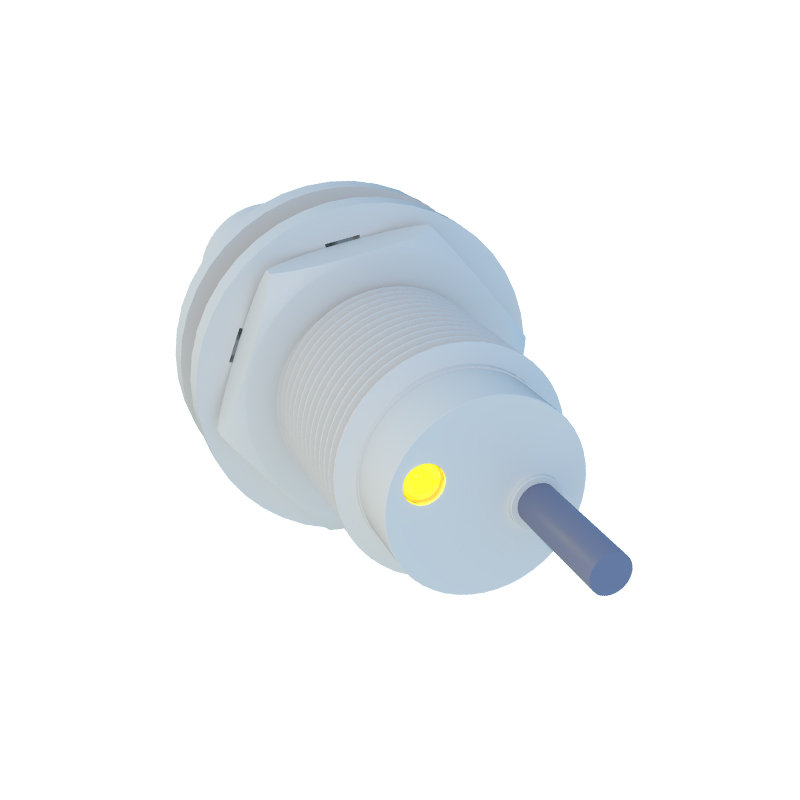
Working Principles and Technical Specifications
The hourglass face proximity sensor operates based on electromagnetic induction or infrared reflection, depending on the specific model. Its unique face design focuses the sensing area into a narrow waist, similar to an hourglass, which concentrates the detection field for improved resolution. Typically, these sensors feature a detection range of 0 to 50 millimeters, with response times under 1 millisecond, ensuring rapid feedback in high-speed applications. Key technical parameters include operating voltages from 10 to 30 VDC, output types such as NPN or PNP transistors, and protection ratings like IP67 for dust and water resistance. By leveraging advanced signal processing algorithms, the sensor can distinguish between different object types, reducing interference from ambient noise and enhancing overall system reliability.
Applications in Industrial and Consumer Sectors
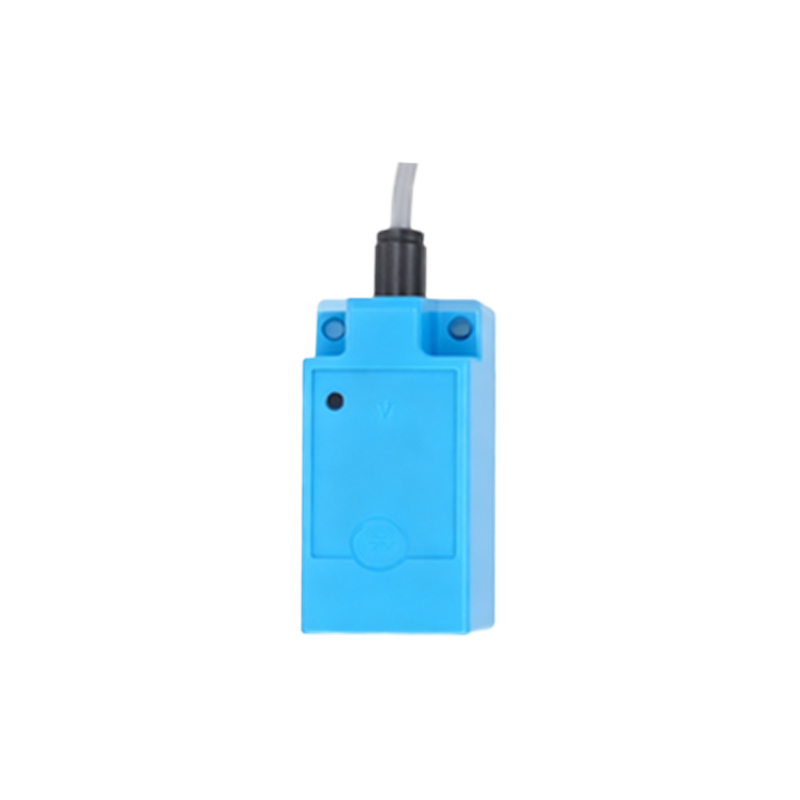
Hourglass face proximity sensors are widely deployed across various industries due to their precision and durability. In industrial settings, they are integral to automated assembly lines, where they detect component presence or position in machinery, ensuring smooth operations and preventing collisions. Robotics systems utilize these sensors for obstacle avoidance and precise movement control, while in consumer electronics, they enable features like touchless interfaces in smartphones or appliances. Additionally, the automotive sector employs them for safety mechanisms, such as detecting hand proximity to hazardous areas. Their compact size and robust construction make them suitable for harsh environments, from manufacturing floors to outdoor installations.
Advantages Over Conventional Sensor Designs
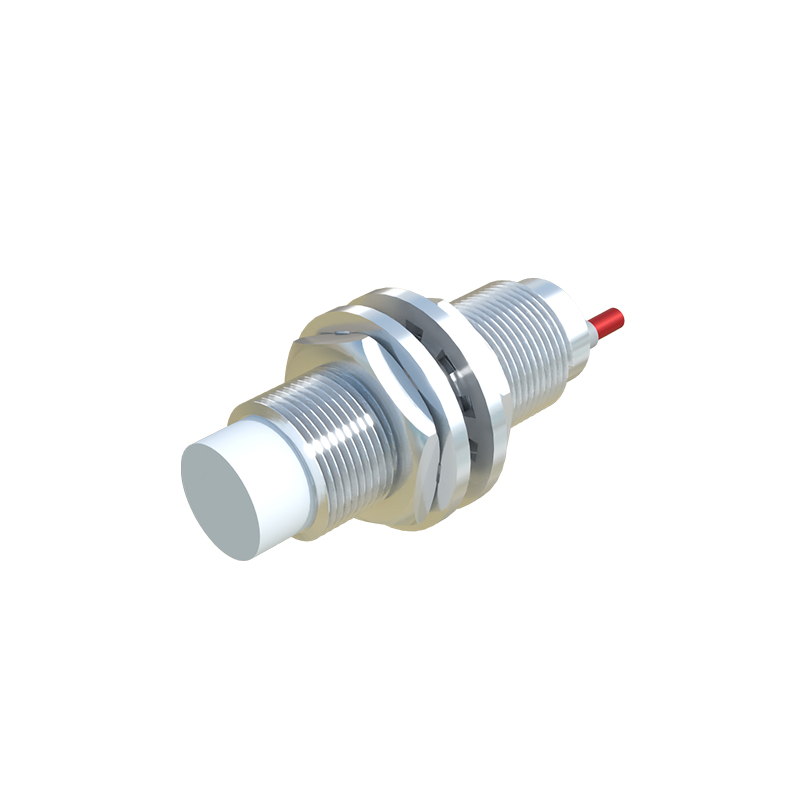
Compared to standard proximity sensors with flat or cylindrical faces, the hourglass face design offers several distinct advantages. The tapered shape reduces blind spots and improves directional sensitivity, allowing for more accurate object detection at oblique angles. This leads to fewer calibration requirements and lower maintenance costs over time. Furthermore, the sensor's enhanced signal-to-noise ratio minimizes errors caused by environmental factors like temperature fluctuations or electromagnetic interference. Engineers appreciate its versatility, as it can be integrated into complex systems without extensive modifications, supporting innovations in IoT and smart device networks. These benefits contribute to higher efficiency and safety in automated processes.
Installation and Maintenance Best Practices
Proper installation is crucial for maximizing the performance of hourglass face proximity sensors. Engineers should mount the sensor perpendicular to the target surface, ensuring the hourglass face is aligned with the detection path to avoid signal attenuation. Wiring must follow manufacturer guidelines, with shielded cables recommended to prevent electrical noise. Regular maintenance involves cleaning the sensing face to remove dust or debris that could impair functionality, along with periodic testing using calibrated tools to verify accuracy. Troubleshooting common issues, such as intermittent signals or reduced range, often involves checking power supply stability and environmental conditions. By adhering to these practices, users can extend the sensor's lifespan and maintain optimal operation.
Future Trends and Innovations
The future of hourglass face proximity sensors looks promising, with ongoing research focused on enhancing their capabilities. Emerging trends include the integration of AI and machine learning for adaptive sensing, allowing sensors to self-calibrate based on real-time data. Miniaturization efforts aim to produce even smaller sensors for wearable technology and medical devices, while advancements in materials science may lead to more energy-efficient designs. Additionally, the rise of Industry 4.0 is driving demand for wireless and networked sensors that can communicate seamlessly within smart factories. As electrical engineering continues to evolve, these sensors are expected to play a pivotal role in enabling more autonomous and intelligent systems worldwide.