Introduction to Photoelectric Sensors
Photoelectric sensors have become indispensable components in industrial automation, offering non-contact detection capabilities for a wide range of applications. These devices operate by emitting a light beam—typically infrared, visible, or laser—and detecting changes in the received light intensity caused by the presence, absence, or characteristics of an object. The fundamental principle relies on the photoelectric effect, where light energy is converted into electrical signals. This technology enables precise sensing in environments where physical contact is impractical or undesirable, such as in high-speed production lines, harsh conditions, or delicate material handling. Over the decades, advancements in optics, electronics, and materials science have significantly enhanced their accuracy, reliability, and versatility, making them a cornerstone of modern manufacturing and process control systems.
Key Technologies and Operating Modes
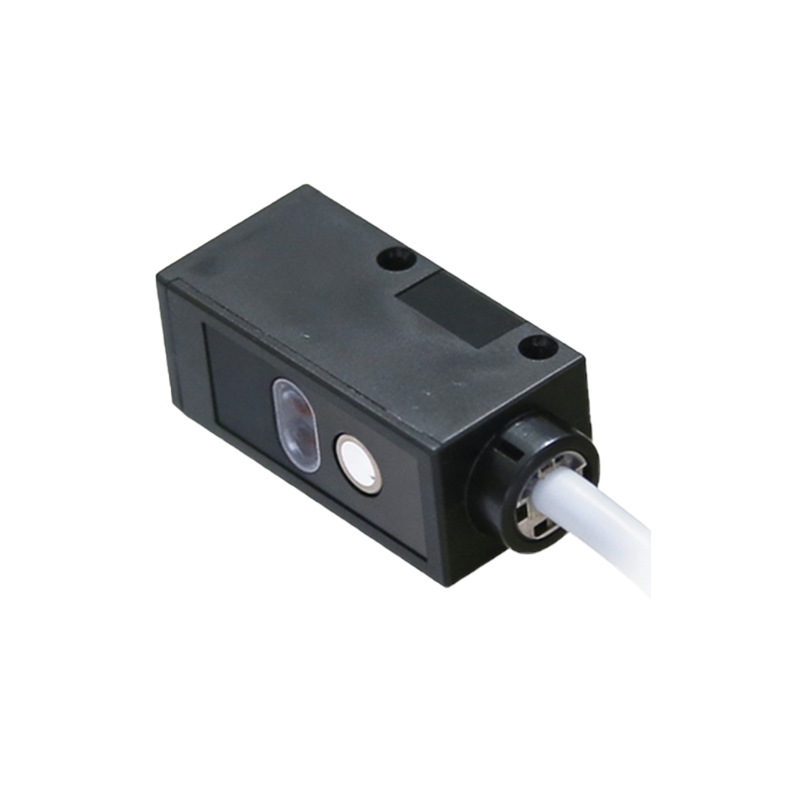
Photoelectric sensors are categorized based on their operating modes, each suited to specific industrial needs. The through-beam mode involves separate emitter and receiver units aligned opposite each other; an object is detected when it interrupts the light beam, providing long-range and high-accuracy sensing ideal for counting or positioning tasks. Retro-reflective mode uses a single unit with a reflector, where detection occurs when the reflected beam is blocked, offering easier installation for medium-range applications. Diffuse mode relies on light reflecting directly off the target object, enabling proximity sensing without additional components, though it is sensitive to surface color and texture. Advanced variants include background suppression sensors that ignore distant objects and color recognition sensors that differentiate based on spectral reflection. Innovations like fiber-optic integration and miniaturization have further expanded their applicability in confined or hazardous spaces.
Applications in Industrial Automation
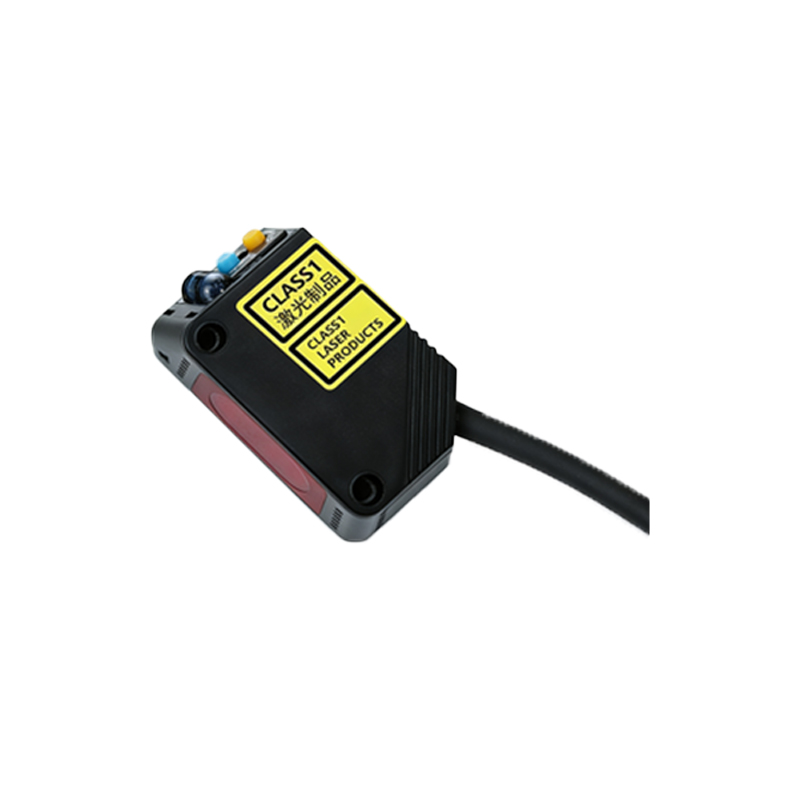
In industrial settings, photoelectric sensors play critical roles across diverse sectors. In automotive manufacturing, they ensure precise part alignment and robot guidance, while in packaging lines, they detect label placement and fill levels to maintain quality control. Logistics and warehousing benefit from their use in barcode scanning and object sorting, where speed and accuracy are paramount. Additionally, they monitor safety systems by detecting intrusions in machinery guards or ensuring proper door closures. Their ability to operate in extreme temperatures, dusty environments, or under vibration makes them robust solutions for industries like mining, food processing, and pharmaceuticals. By integrating with programmable logic controllers (PLCs) and IoT networks, these sensors contribute to smart factory ecosystems, enabling real-time data collection and predictive maintenance.
Challenges and Limitations
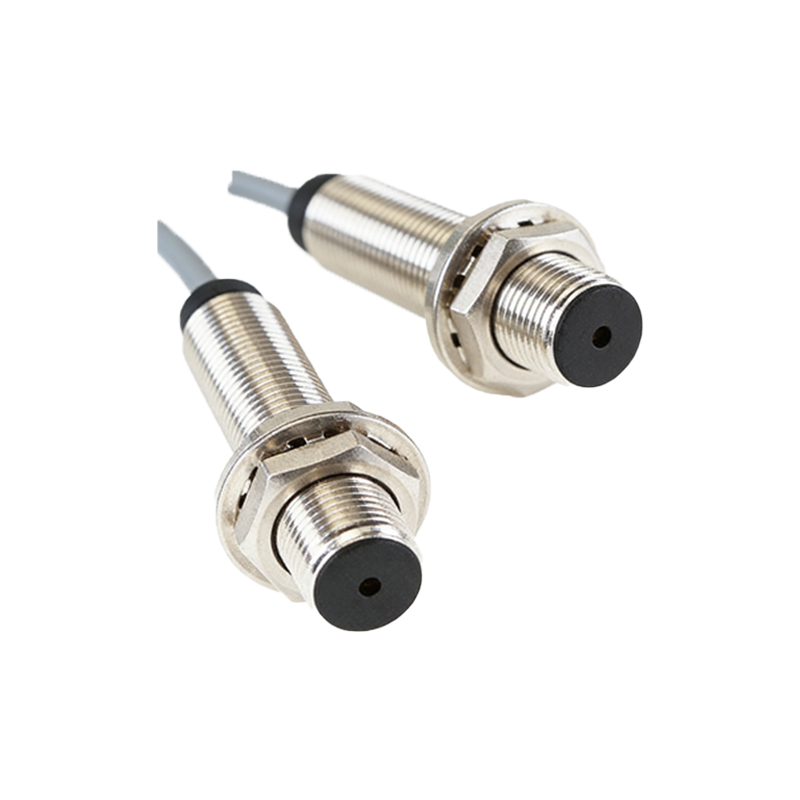
Despite their advantages, photoelectric sensors face inherent challenges that engineers must address. Environmental factors such as ambient light interference, dust accumulation, or fog can disrupt light transmission, leading to false readings or reduced sensitivity. Surface properties of target objects—like transparency, reflectivity, or color variations—may affect detection consistency, requiring careful sensor selection and calibration. Limited range in diffuse modes and alignment difficulties in through-beam setups can complicate installation and maintenance. Furthermore, high-speed applications demand rapid response times, which may strain sensor performance. To mitigate these issues, manufacturers develop sensors with modulated light signals, protective housings, and adaptive algorithms, but ongoing research is needed to enhance durability and adaptability in evolving industrial landscapes.
Future Trends and Innovations
The future of photoelectric sensors is shaped by emerging technologies that promise greater intelligence and integration. Miniaturization and cost reduction will enable their deployment in smaller devices and consumer electronics, while advancements in laser and LED sources improve energy efficiency and beam quality. Integration with artificial intelligence (AI) allows for adaptive sensing, where sensors learn from environmental changes to optimize performance autonomously. Wireless connectivity and energy-harvesting capabilities support the growth of Industry 4.0, facilitating seamless communication in decentralized networks. Additionally, developments in multispectral sensing could enable detection beyond visible light, such as in ultraviolet or near-infrared ranges, opening new applications in quality inspection and material analysis. As industries prioritize sustainability, sensors with recyclable materials and low-power designs will gain prominence, driving innovation toward greener automation solutions.
Conclusion and Professional Insights
Photoelectric sensors represent a dynamic field at the intersection of optics, electronics, and industrial engineering. Their evolution from simple detection tools to smart, interconnected devices underscores their vital role in enhancing productivity and safety. For engineers, selecting the right sensor involves balancing factors like range, environmental resistance, and compatibility with control systems. Regular maintenance, including lens cleaning and alignment checks, is essential to ensure long-term reliability. As automation becomes more pervasive, continuous learning about new sensor technologies and industry standards will be key to leveraging their full potential. Ultimately, photoelectric sensors are not just components but enablers of innovation, driving efficiency and precision in the ever-advancing world of industrial automation.