Introduction to Photoelectric Sensors
Photoelectric sensors are fundamental components in modern industrial automation, offering non-contact detection of objects based on the modulation of light. These devices operate by emitting a beam of light, typically from an LED or laser diode, and detecting changes in the received light intensity. The core principle involves the interruption, reflection, or transmission of this light beam by a target object. Their versatility allows for detection of a wide range of materials, regardless of color, surface texture, or material composition, making them superior to mechanical limit switches or proximity sensors in many applications. From simple presence detection to complex positioning and counting tasks, photoelectric sensors form the backbone of countless automated systems, ensuring precision, reliability, and efficiency in manufacturing, packaging, material handling, and beyond.
Key Components and Operating Modes
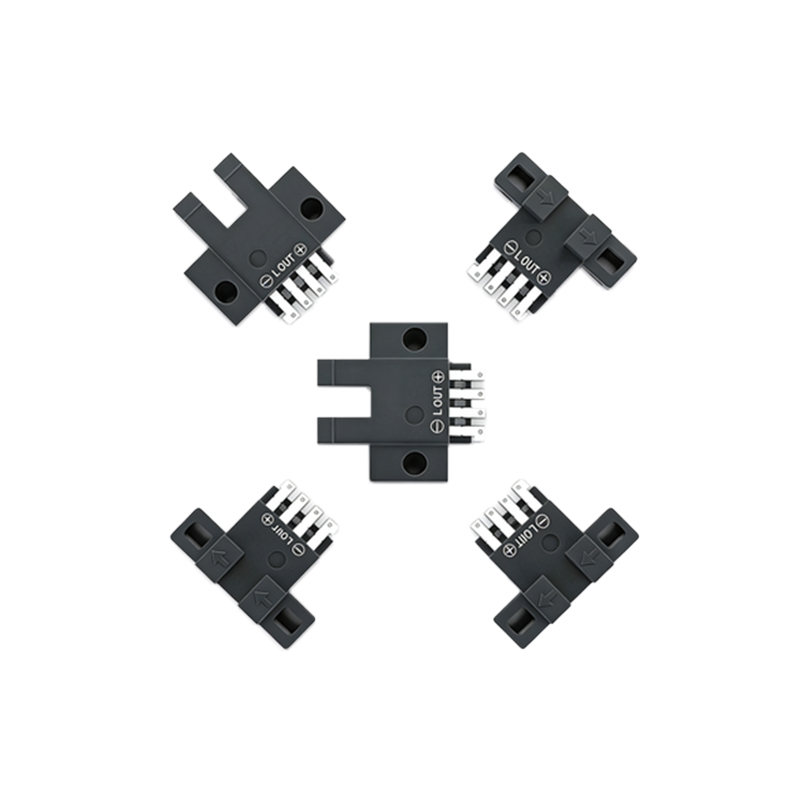
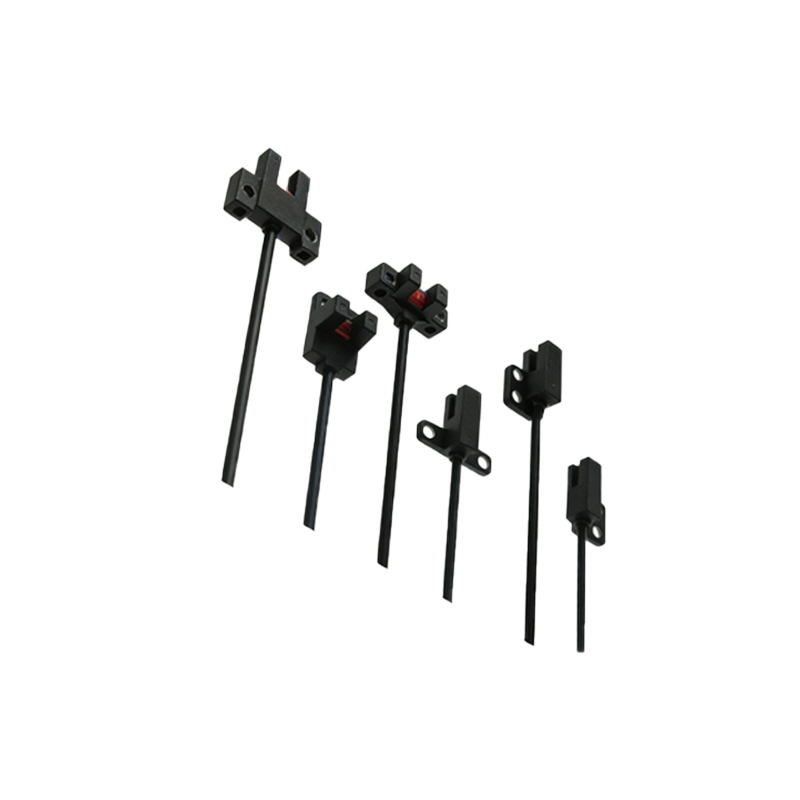
A standard photoelectric sensor consists of three primary elements: an emitter (light source), a receiver (phototransistor or photodiode), and associated signal processing circuitry. The choice of light source, such as visible red, infrared, or laser, depends on the application's requirements for range, precision, and environmental conditions. There are three main operating modes. The through-beam (or opposed) mode uses separate emitter and receiver units positioned opposite each other; detection occurs when the object breaks the beam. The retro-reflective mode employs a single unit housing both emitter and receiver, using a reflector to bounce the light back; detection happens when the object interrupts this reflected beam. Finally, the diffuse (or proximity) mode also uses a single unit, but it detects light reflected directly off the target object itself, making it ideal for applications where installing a reflector is impractical.
Planning a Detection Project: Critical Considerations
Successful implementation of a photoelectric sensor detection project requires meticulous planning. Engineers must first define the primary objective: is it for simple object presence, precise edge detection, accurate counting, or complex profiling? The physical characteristics of the target object are paramount, including its size, color, material, surface finish (shiny or matte), and possible translucency. The operating environment presents another layer of complexity; factors such as ambient light (sunlight, strobe lights), airborne contaminants (dust, steam, oil mist), temperature extremes, and mechanical vibrations can severely impact sensor performance. Selecting the correct sensing mode, sensing range, and light source type is a direct consequence of this analysis. Furthermore, the required response time and output type (e.g., digital PNP/NPN, analog, IO-Link) must align with the control system's capabilities.
Overcoming Common Application Challenges
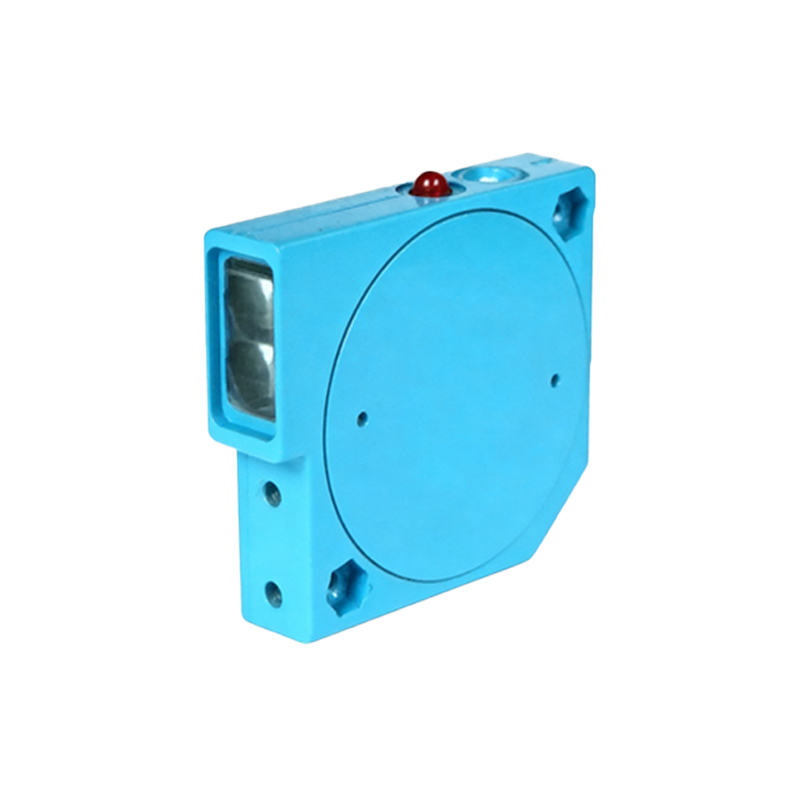
Even with careful planning, real-world applications present challenges that engineers must adeptly overcome. Background interference, where objects beyond the intended target reflect light, can cause false triggers. This is often addressed by using sensors with background suppression technology or precise laser beams. Detecting transparent objects, like glass or clear plastic, is notoriously difficult as they allow most light to pass through. Specialized sensors using polarized light or high-resolution models can solve this issue. Highly reflective or glossy surfaces can cause erratic behavior in diffuse sensors by scattering light unpredictably; using a through-beam mode or a diffuse sensor with fixed background suppression is typically the solution. For harsh environments, selecting sensors with appropriate ingress protection (IP) ratings, robust housings, and resistance to specific chemicals is non-negotiable for long-term reliability.
Installation, Alignment, and Calibration Best Practices
Proper mechanical installation is critical for optimal sensor performance. The sensor must be securely mounted to prevent misalignment due to vibration or accidental impact. For through-beam and retro-reflective sensors, precise optical alignment between the emitter, receiver, and reflector is essential; many modern sensors feature built-in alignment indicators (like LED beams or audible signals) to simplify this process. During calibration, engineers should test the sensor under actual operating conditions, not just statically. This involves verifying the stable detection of the target while ensuring the sensor does not trigger on non-target objects or environmental noise. Adjusting sensitivity potentiometers or using teach-in functions allows fine-tuning the detection threshold to achieve a robust signal with a sufficient safety margin against interference.
Advanced Features and Integration with Control Systems
Modern photoelectric sensors offer advanced features that extend their functionality far beyond basic switching. Sensors with analog outputs provide continuous distance or intensity information, enabling tasks like edge guidance or fill-level monitoring. IO-Link communication transforms a standard sensor into a smart device, enabling remote parameter configuration, real-time diagnostic data (like signal strength, temperature, contamination levels), and predictive maintenance alerts. Light-on/dark-on operation logic can be configured to suit the control logic. Furthermore, synchronization capabilities allow multiple sensors to operate in close proximity without mutual interference. Seamless integration with Programmable Logic Controllers (PLCs) or industrial networks (Ethernet/IP, PROFINET) is standard, allowing the sensor to become an intelligent node within a larger Industry 4.0 or IoT ecosystem, contributing valuable data for process optimization.
Conclusion: Ensuring Project Success
Executing a successful photoelectric sensor detection project is a systematic engineering endeavor that blends theoretical knowledge with practical problem-solving. It begins with a thorough analysis of the application requirements and environmental constraints. The subsequent selection of the appropriate sensor type, mode, and features is a decisive step. However, the work does not end with procurement. Meticulous installation, precise alignment, and careful calibration in the actual operating environment are what translate potential into reliable performance. By understanding the principles, anticipating challenges, and leveraging advanced features, engineers can deploy photoelectric sensing solutions that enhance automation system accuracy, increase productivity, and reduce downtime, delivering significant long-term operational value.