Introduction to Proximity Sensing
In the intricate world of industrial automation, proximity sensors serve as the fundamental eyes of machinery, detecting the presence or absence of objects without physical contact. These sensors, utilizing technologies like inductive, capacitive, ultrasonic, or photoelectric principles, generate a small electrical signal upon detection. However, this raw signal is often too weak, noisy, or incompatible for direct use by the central control systems like PLCs (Programmable Logic Controllers). This is where the critical component known as the proximity sensor amplifier comes into play, acting as an indispensable interface between the sensor and the control logic.
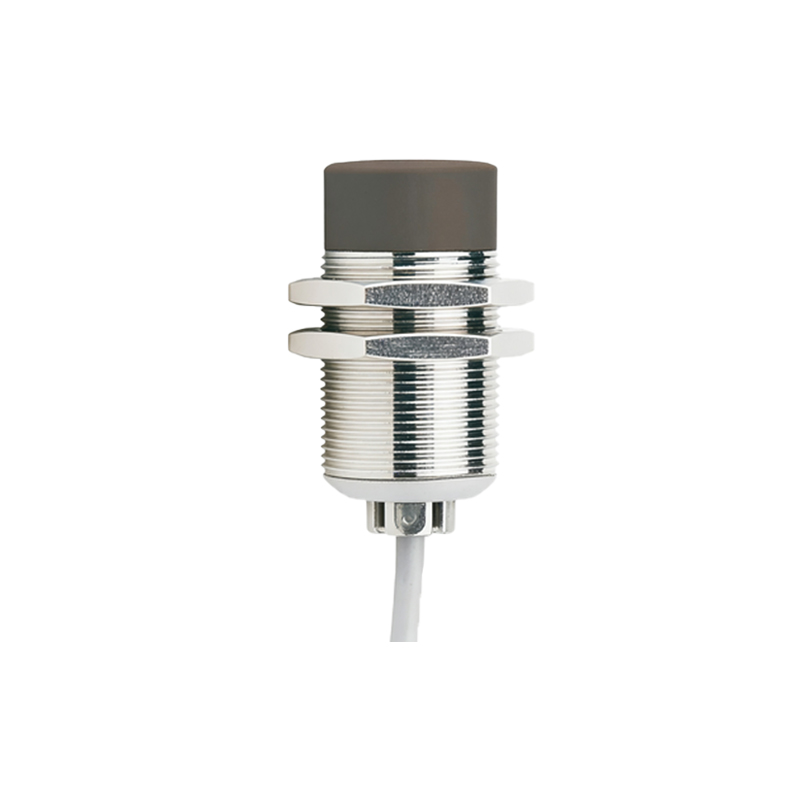
Core Function: Signal Conditioning and Amplification
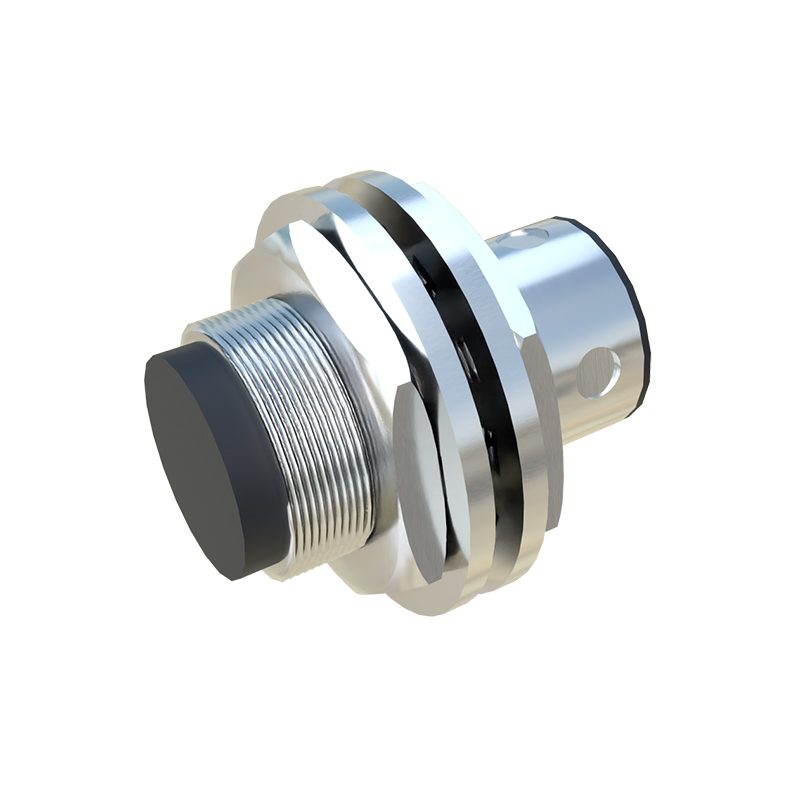
The primary role of a proximity sensor amplifier is signal conditioning. The faint signal from the sensor head, typically in the millivolt range, is amplified to a robust, standardized level suitable for industrial control circuits, commonly 0-10V DC or 4-20mA analog signals, or a solid 24V DC digital (ON/OFF) signal. This amplification ensures the signal can travel over longer cable distances without degradation and provides a clear, decisive input to the controller. Beyond mere amplification, these units filter out electrical noise prevalent in industrial environments—from motor drives to welding equipment—ensuring signal integrity and preventing false triggers that could disrupt production or cause safety issues.
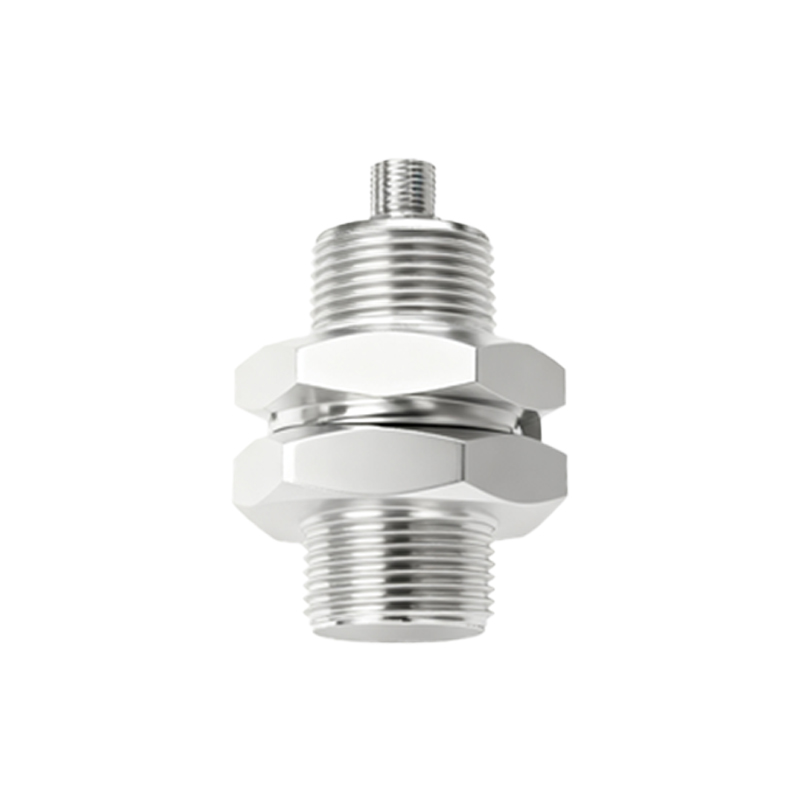
Enhancing Precision and Adjustability
Modern proximity sensor amplifiers offer a significant degree of configurability, greatly enhancing system precision and flexibility. Many models feature adjustable sensing ranges, allowing engineers to fine-tune the exact point of detection. Sensitivity adjustments can compensate for variations in target material, size, or environmental conditions. Furthermore, amplifiers often incorporate time-delay functions, such as on-delay, off-delay, or one-shot timers. These functions are crucial for debouncing signals, creating logical sequences, or ensuring a detected object is present for a minimum duration before an action is initiated, thereby adding a layer of process logic at the sensor level.
Output Versatility and Integration
Amplifiers provide versatile output options to seamlessly integrate with diverse control systems. Analog outputs deliver a continuous signal proportional to the distance or signal strength, useful for positioning or monitoring applications. Digital outputs provide a simple switch-like signal for presence detection. Many amplifiers also feature multiple outputs, such as both a relay contact and a transistor output, or complementary NPN and PNP configurations. This versatility allows a single sensor-amplifier combination to interface with different PLC input card types or directly control small loads like indicator lamps or relays, simplifying system design and wiring.
Diagnostic and Monitoring Capabilities
A key advantage of using a dedicated amplifier is the enhanced diagnostic visibility it provides. Many units are equipped with LED indicators that display power status, signal strength, and output state. Some advanced models offer teach-in functions for easy setup or built-in diagnostics that can signal conditions like sensor overload, short-circuit, or wire breakage. This local diagnostic capability allows for rapid troubleshooting and maintenance, minimizing machine downtime. By monitoring the amplified signal's characteristics, maintenance personnel can often predict sensor degradation before a complete failure occurs.
Application-Specific Amplifier Types
The market offers specialized amplifiers tailored for specific sensor types and challenging applications. For instance, high-temperature amplifiers are designed to function reliably when installed near furnaces or casting lines. Two-wire amplifiers simplify installation by operating on the same two wires used for the power supply and signal output. For analog sensors, signal converters/amplifiers can linearize a non-linear sensor response. In safety-critical applications, safety-rated amplifiers with redundant circuits and self-checking features are employed to meet stringent safety standards like SIL or PL, ensuring reliable operation in emergency stop circuits or guard monitoring.
Conclusion: The Strategic Enabler
The proximity sensor amplifier is far more than a simple signal booster; it is a strategic enabler of robust, precise, and intelligent automation. By conditioning, amplifying, and intelligently processing the raw sensor signal, it transforms basic detection into reliable, actionable data. This component enhances system reliability, enables sophisticated control strategies, simplifies integration, and provides valuable diagnostic insights. For any engineer designing or maintaining automated systems, a deep understanding of the role and selection criteria for proximity sensor amplifiers is essential for optimizing performance, ensuring uptime, and building resilient industrial operations.