Introduction to Photoelectric Sensors in Traffic Systems
Photoelectric sensors are widely used in modern traffic management systems to detect vehicle presence and monitor flow. These sensors operate by emitting a light beam—typically infrared or laser—and measuring the reflection or interruption caused by objects. In traffic applications, they are installed along roads, at intersections, or in tunnels to collect real-time data on vehicle density and movement. Their high accuracy and fast response make them ideal for congestion detection, enabling authorities to implement dynamic control measures. Unlike inductive loops, photoelectric sensors require minimal installation disruption and can be mounted on existing infrastructure, such as poles or gantries. This technology forms the backbone of intelligent transportation systems, contributing to reduced travel times and enhanced road safety.
Working Principles for Congestion Detection
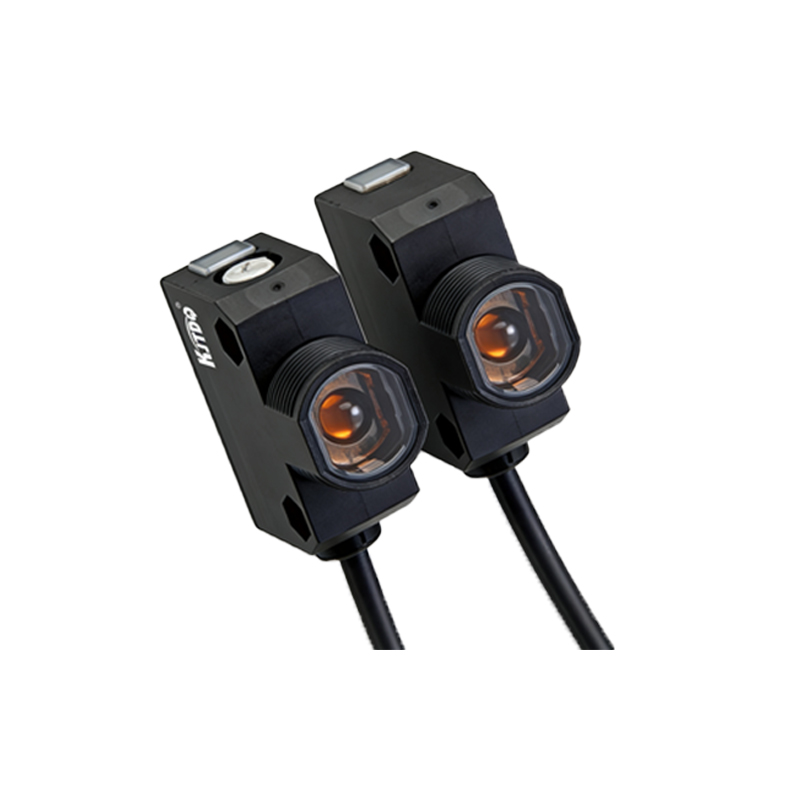
The core mechanism involves a transmitter and receiver setup. The transmitter projects a light beam across a traffic lane, and the receiver detects changes in the beam's intensity. When a vehicle passes through, it interrupts the beam, triggering a signal that indicates occupancy. For congestion monitoring, multiple sensors are deployed in a network to measure parameters like vehicle count, speed, and occupancy rates over time. By analyzing data trends—such as prolonged interruptions or slow-moving reflections—the system can identify congestion buildup. Advanced versions use modulated light to filter ambient interference, ensuring reliability in various weather conditions. This real-time feedback allows for precise congestion mapping, distinguishing between temporary stops and persistent traffic jams.
Integration with Traffic Management Systems
Photoelectric sensors are integrated into centralized traffic management platforms, where data is processed to optimize signal timing and route guidance. Upon detecting congestion, sensors send alerts to control centers, which can adjust traffic lights, update digital signage, or notify drivers via apps. For instance, if sensors on a highway show speed drops below a threshold, the system might activate variable message signs to suggest alternate routes. This integration supports adaptive traffic control, reducing bottlenecks and improving overall network efficiency. Additionally, sensor data can be combined with other sources, such as CCTV or GPS, to validate congestion patterns and enhance decision-making accuracy.
Advantages Over Traditional Detection Methods
Compared to traditional methods like inductive loops or pneumatic tubes, photoelectric sensors offer several benefits. They provide higher resolution detection, capable of identifying individual vehicles even in slow-moving traffic, which is crucial for congestion analysis. Their non-contact nature minimizes maintenance needs and extends lifespan, as they are less prone to damage from road wear. Installation is flexible, allowing placement above ground without lane closures. Moreover, these sensors consume less power and support wireless communication, facilitating scalable deployments in urban areas. These advantages lead to more reliable congestion monitoring, with lower operational costs over time.
Case Studies and Real-World Applications
In cities like Singapore and Tokyo, photoelectric sensor networks have been implemented to combat chronic congestion. For example, Singapore's Expressway Monitoring and Advisory System uses overhead sensors to track vehicle densities, enabling dynamic toll pricing and lane management. Similarly, Tokyo employs sensors in tunnels to monitor flow and trigger ventilation controls during jams, reducing pollution buildup. These applications demonstrate significant reductions in peak-hour delays, with some systems reporting up to 20% improvement in traffic throughput. The sensors also aid in incident detection, such as accidents or stalled vehicles, allowing quicker response times to clear blockages.
Future Trends and Innovations
Emerging trends include the use of LiDAR-enhanced photoelectric sensors for 3D traffic mapping, which can distinguish between vehicle types and pedestrian movements, offering deeper congestion insights. Integration with AI algorithms enables predictive analytics, forecasting congestion based on historical data and real-time inputs. Wireless sensor networks with IoT connectivity are becoming standard, allowing for cloud-based data sharing and remote management. These innovations aim to create fully autonomous traffic systems that preemptively mitigate congestion, supporting smart city initiatives. As technology advances, photoelectric sensors will likely become more compact, energy-efficient, and cost-effective, further expanding their role in global traffic solutions.
Conclusion and Industry Outlook
Photoelectric sensors are a critical tool for detecting and managing traffic congestion, offering precision, flexibility, and integration capabilities. Their adoption supports sustainable urban mobility by easing traffic flow and reducing emissions from idling vehicles. The industry is moving toward smarter, interconnected systems where sensors play a key role in real-time decision-making. For engineers and planners, investing in photoelectric technology is essential for building resilient transportation networks. As cities grow, these sensors will continue to evolve, driving innovations that make roads safer and more efficient for all users.