Introduction to 40mm Square Proximity Sensors
Proximity switch sensors, particularly in the 40mm square form factor, represent a cornerstone of modern industrial automation. These robust, non-contact sensing devices are engineered to detect the presence or absence of metallic objects without any physical contact. The 40mm square housing provides an optimal balance between sensing performance, mechanical strength, and installation versatility. This standardized size has become ubiquitous across manufacturing lines, packaging machinery, and material handling systems worldwide. Its popularity stems from a proven design that offers reliable operation in demanding environments where dust, moisture, and vibration are common challenges. Engineers and maintenance personnel favor this form factor for its ease of integration and widespread availability from multiple global suppliers.
Key Technical Specifications and Operating Principles
The operational core of a 40mm square proximity sensor typically utilizes an inductive sensing principle. An oscillator generates a high-frequency electromagnetic field at the active face of the sensor. When a ferrous or non-ferrous metal target enters this field, eddy currents are induced, causing a change in the oscillation amplitude. This change is detected by the sensor's circuitry, which subsequently triggers a solid-state switching output. Standard sensing distances for these units range from 15mm to 40mm, depending on the target material and sensor model. They are commonly available in DC (10-30V DC) or AC (20-250V AC) versions, with outputs including NPN, PNP, NO (Normally Open), or NC (Normally Closed) configurations. Key specifications to evaluate include switching frequency, repeat accuracy, temperature range (often -25°C to +70°C), and protection ratings, with IP67 and IP69K being common for washdown or harsh environments.
Design and Construction Features
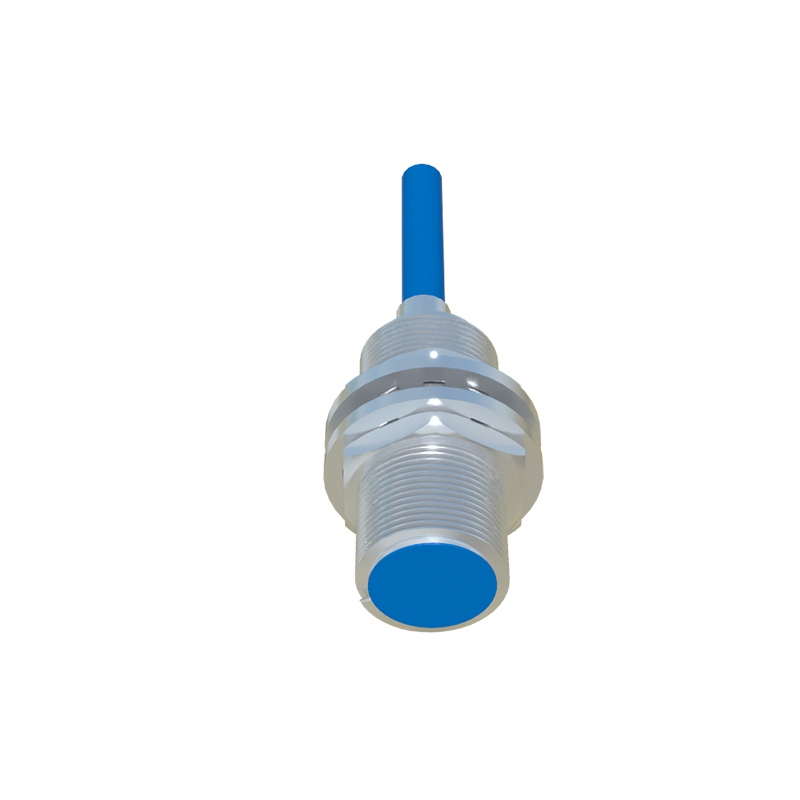
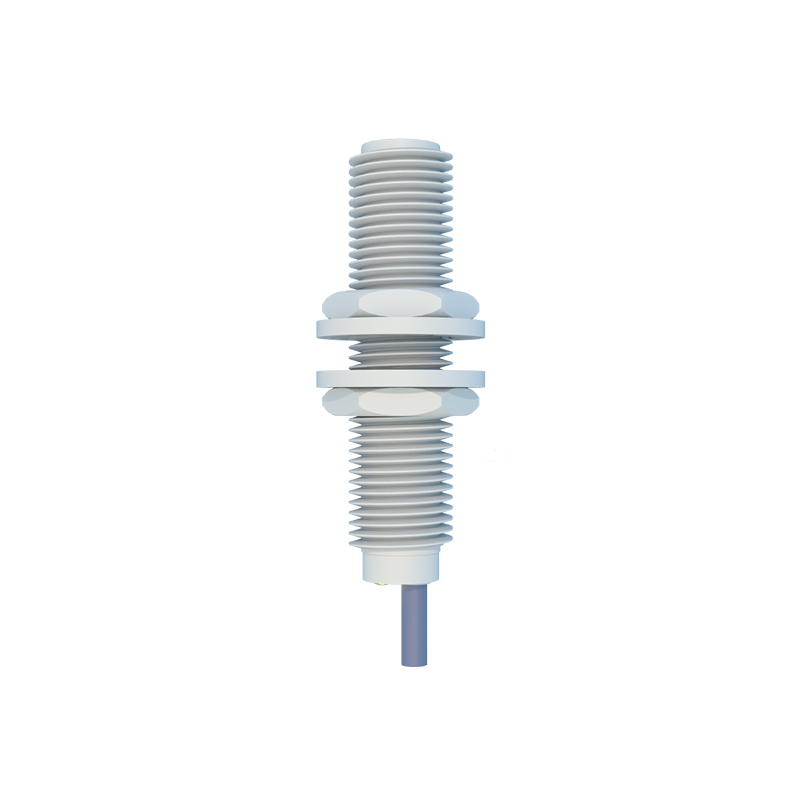
The 40mm square housing is predominantly constructed from nickel-plated brass, stainless steel, or ruggedized PBT plastic, offering excellent resistance to corrosion, chemicals, and physical impact. This robust construction ensures longevity in industrial settings. The design incorporates standardized mounting holes, typically M8 or M12, allowing for quick and secure installation using brackets or directly onto machinery. Many models feature built-in LED status indicators for visual confirmation of power and output state, significantly aiding in troubleshooting and setup. The wiring is facilitated through a pre-attached cable or a quick-disconnect connector system, streamlining maintenance and replacement procedures. The square shape inherently provides superior resistance to twisting forces compared to cylindrical housings.
Primary Industrial Applications and Use Cases
The application spectrum for 40mm square proximity sensors is vast. They are indispensable for position detection in automated assembly lines, verifying the presence of parts on pallets or fixtures. In metalworking, they are used for tool breakage detection, end-of-travel limits on CNC machines, and counting metal components on conveyors. Within the packaging industry, they detect foil seals, metal lids, or the position of robotic arms. Their high-speed switching capability makes them ideal for rotational speed monitoring on shafts and gear teeth counting. Furthermore, their robust sealing allows deployment in food and beverage processing for bottle cap detection or in automotive plants for weld nut verification, often withstanding high-pressure washdowns.

Installation Guidelines and Best Practices
Correct installation is critical for optimal performance and sensor lifespan. It is essential to maintain the specified nominal sensing distance (Sn) and consider the reduction factor for non-ferrous metals like aluminum or copper. Sensors should be mounted securely to minimize vibration, which can affect signal stability. A minimum clearance must be maintained between adjacent sensors to prevent mutual interference of their electromagnetic fields. For flush-mountable models, they can be installed level with a metal surface, while non-flush models require a surrounding non-metallic zone. Always ensure the power supply voltage matches the sensor's rating and that the load current does not exceed its maximum switching capacity. Proper shielding and grounding of cables are recommended to minimize electrical noise in high-interference environments.
Advantages Over Alternative Form Factors
The 40mm square design offers distinct advantages compared to smaller cylindrical sensors (e.g., M12, M18) or larger rectangular units. Its size provides a larger sensing face, which can offer more stable detection and slightly longer ranges than smaller-diameter cylinders. The flat sides facilitate easier alignment and more secure mounting in tight spaces or on flat machine surfaces. The square format also allows for easier embedding into machine frames. Compared to larger housings, the 40mm square sensor remains compact enough for space-constrained applications while delivering industrial-grade durability that smaller sensors may lack. This makes it a versatile "go-to" choice for a wide range of medium-duty to heavy-duty applications.