Understanding the Core Principle
Mirror reflective photoelectric sensors, also known as retro-reflective sensors, operate on a fundamental principle of light reflection. The sensor unit contains both a light emitter, typically an LED, and a receiver. It projects a beam of light towards a specialized reflector, often a corner-cube or triple mirror prism. This prism is designed to reflect the light beam directly back to its source along a parallel path, regardless of the angle of incidence within a specified range. The receiver detects this returned light. When an object interrupts the beam between the sensor and the reflector, the light path is broken, causing the receiver's state to change. This change triggers an output signal, indicating the presence or absence of the object. This design allows for a significantly longer sensing range compared to diffuse reflective sensors, as the reflector efficiently returns the light signal.
Key Advantages Over Other Sensor Types
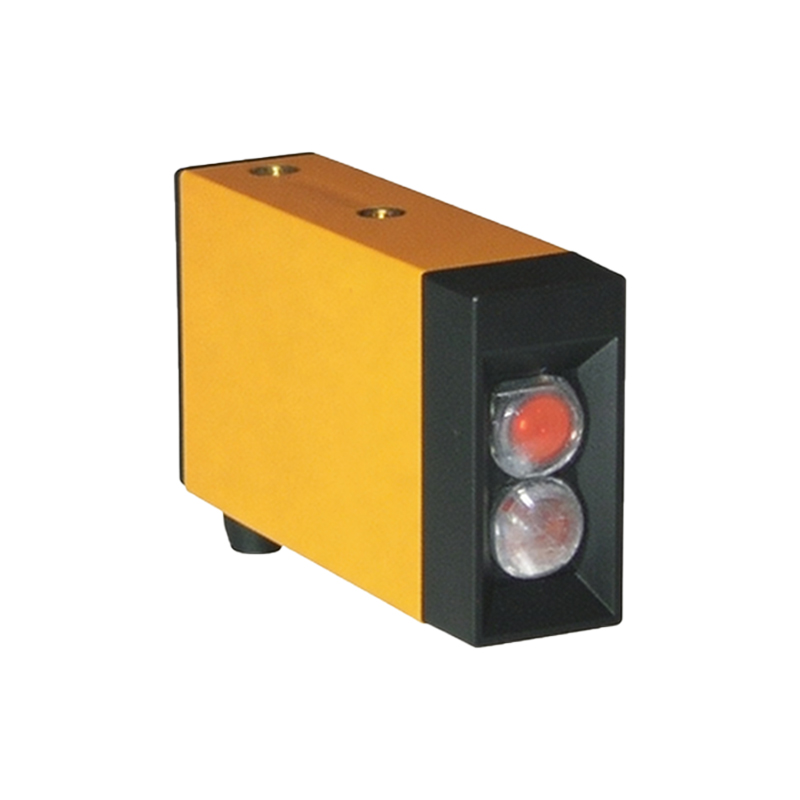
This sensor series offers distinct benefits in industrial automation. The primary advantage is the extended sensing distance, which can be several meters, enabling detection across wider areas. Secondly, they exhibit high stability and reliability. Since the detection relies on the interruption of a consistent beam reflected by a fixed, high-quality prism, they are less susceptible to variations in the target object's color, texture, or surface finish, unlike diffuse sensors. This makes them ideal for detecting transparent or shiny objects that might confuse other optical methods. Furthermore, installation and alignment are generally simpler than through-beam sensors, which require separate emitter and receiver units to be precisely aligned over long distances. Here, only the sensor and the reflector need to be roughly aligned.
Common Industrial Applications
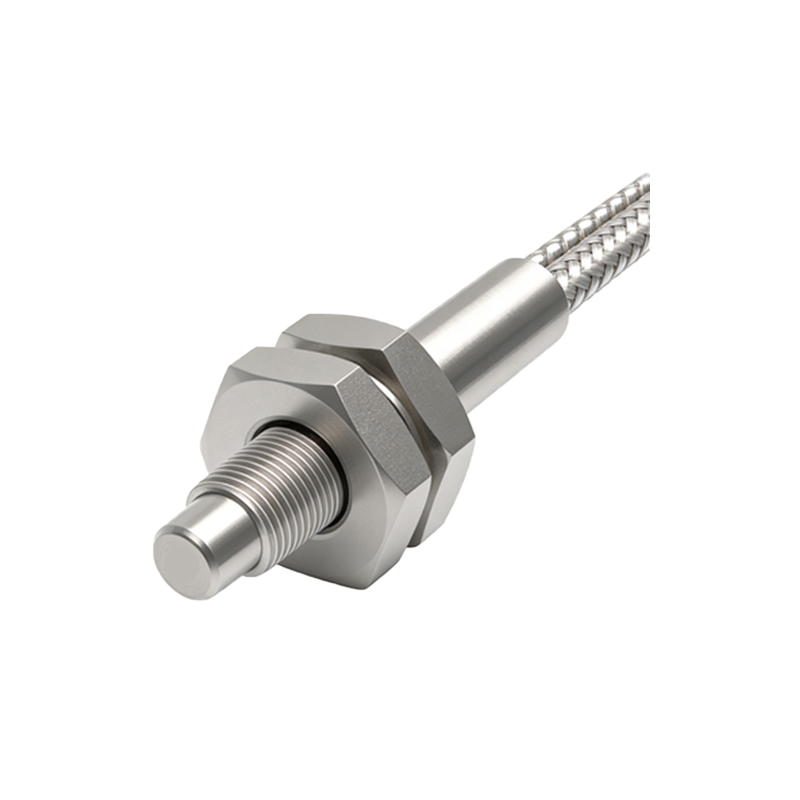
The robustness and long-range capability of mirror reflective photoelectric sensors make them indispensable in various sectors. In packaging and material handling, they are widely used for object detection on conveyor belts, palletizing systems, and for counting products. In the automotive industry, they monitor the presence of components on assembly lines and verify door or hood positions. They are crucial in elevator systems for door safety and floor leveling control. Another critical application is in safety systems as part of light curtains or perimeter guarding, where breaking the beam triggers an emergency stop. Their ability to detect transparent materials, such as glass or plastic films, is particularly valuable in bottling plants and pharmaceutical packaging.
Critical Selection Criteria
Choosing the correct mirror reflective sensor requires careful consideration of several parameters. Sensing range is paramount; always select a sensor with a rated range greater than your actual installation distance. The type of light source (red, infrared, laser) matters: red light is visible for easier alignment, infrared offers longer range, and laser provides a precise, narrow beam. The output configuration (PNP/NPN, NO/NC) must be compatible with the controller (PLC). Environmental factors are crucial; look for sensors with appropriate Ingress Protection (IP) ratings for dust and water resistance, and ensure they can withstand ambient temperature ranges and potential exposure to chemicals or oils. For challenging environments with heavy dust or steam, models with background suppression or advanced filtering logic are available to prevent false triggers.
Installation and Alignment Best Practices
Proper installation ensures optimal performance and longevity. First, securely mount both the sensor head and the reflector on stable surfaces to prevent vibration-induced misalignment. Use the sensor's built-in alignment indicator (often an LED) during setup. The beam should strike the center of the reflector. Avoid mounting the sensor facing highly reflective surfaces other than the intended reflector, as these can cause false reflections. Maintain a clean lens and reflector surface; accumulated dirt or debris can severely attenuate the light signal. Ensure that the object to be detected will fully interrupt the beam. For small objects, a sensor with a focused beam or a smaller reflector may be necessary. Always refer to the manufacturer's datasheet for specific mounting distances and environmental limitations.
Troubleshooting Common Issues
Even with robust design, operational issues can arise. Intermittent detection or failure to detect usually points to misalignment. Re-check the alignment of the sensor and reflector. A consistently triggered sensor without an object present often indicates a dirty reflector or lens, or an external reflective surface intruding into the sensing field. Clean optical components with a soft cloth. If the sensing range has diminished, inspect for physical damage to the lens or reflector and verify the power supply voltage is within specifications. For unstable operation in environments with airborne particulates, consider upgrading to a sensor with modulated light and synchronous detection, which ignores ambient light interference. Persistent problems may require consulting the manufacturer's technical support.