Understanding the Basics of NPN Normally Open Proximity Switches
In industrial automation, proximity switches are essential components for detecting the presence or absence of objects without physical contact. An NPN (Negative-Positive-Negative) normally open (NO) proximity switch is a common type that operates by sinking current to the ground when activated. This configuration is widely used in applications requiring compatibility with PLC (Programmable Logic Controller) inputs or other control systems that accept sinking signals. The "normally open" designation means the switch's output circuit is open (non-conductive) when no target is detected, and it closes (conducts) when a target enters the sensing range. Grating sensors, which utilize optical principles to detect objects with high precision, often integrate such switches for accurate positioning or counting tasks in manufacturing lines. Understanding the electrical characteristics of NPN NO switches is crucial for safe and effective wiring, as incorrect connections can lead to malfunction or damage to equipment.
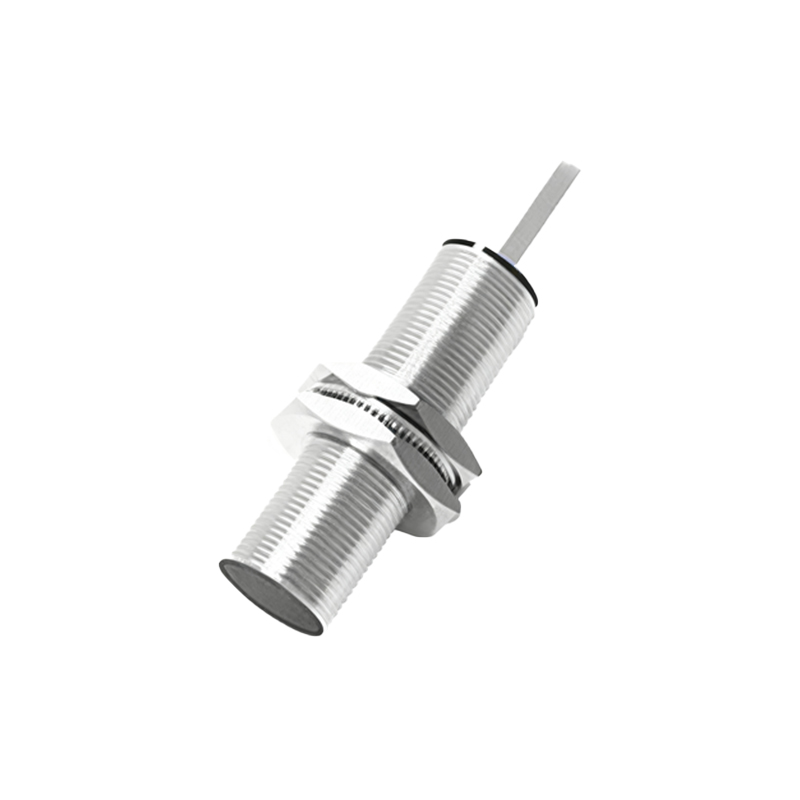
Components Required for Wiring Setup
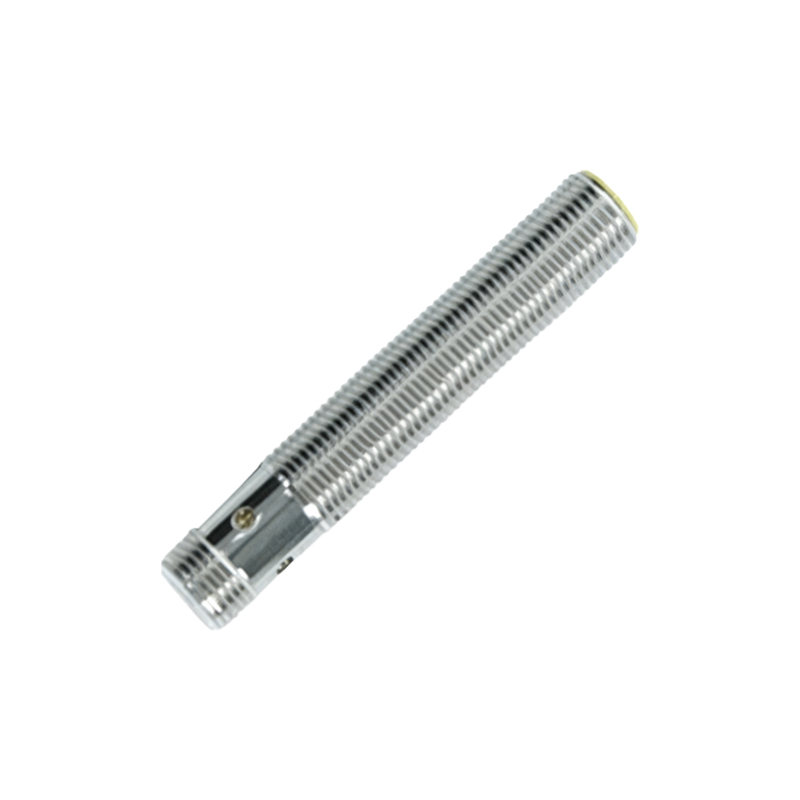
To wire an NPN normally open proximity switch with a grating sensor, gather the necessary components: the grating sensor unit (including emitter and receiver), an NPN NO proximity switch, a DC power supply (typically 12-24V DC), load devices such as relays or PLC input modules, and appropriate cables with connectors. Ensure the power supply voltage matches the sensor's specifications, usually indicated on its housing or datasheet. The load should be rated for the switch's maximum current capacity, often around 200mA. Additionally, have tools like wire strippers, screwdrivers, and a multimeter for testing connections. It's advisable to refer to the manufacturer's wiring diagram, as variations may exist between different models. Proper component selection minimizes risks of electrical faults and ensures reliable operation in harsh industrial environments.
Step-by-Step Wiring Procedure
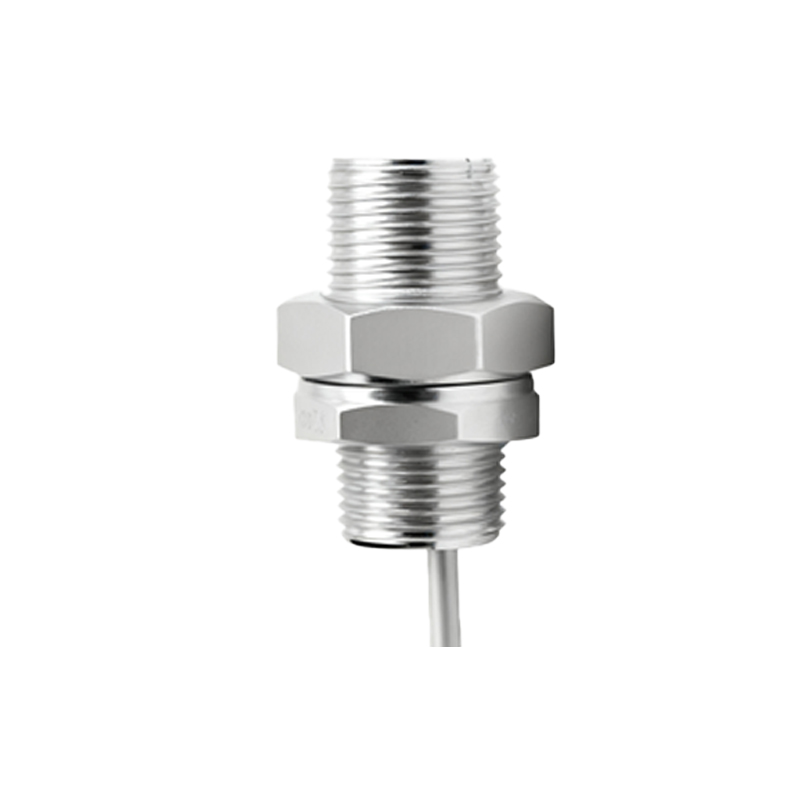
Begin by disconnecting the power supply to prevent electrical shocks. Identify the terminals on the NPN NO proximity switch: typically, these include brown (positive), blue (negative or ground), and black (output). For the grating sensor, connect the emitter and receiver according to their labeled terminals, ensuring alignment for optimal signal transmission. Wire the brown wire from the switch to the positive terminal of the DC power supply, and the blue wire to the negative terminal. The black output wire should be connected to one end of the load, while the other load terminal links to the positive supply. This setup allows current to flow from the supply through the load to the switch, which sinks it to ground when activated. Secure all connections with terminal blocks or soldering, and use cable ties for neat organization. After wiring, double-check for loose wires or short circuits before powering on.
Testing and Troubleshooting Common Issues
Once wired, apply power and test the system by introducing a target object within the sensing range of the grating sensor. Use a multimeter to verify voltage levels: when no target is present, the output should read near supply voltage (indicating an open circuit); when a target is detected, it should drop close to 0V (indicating a closed circuit). If the switch fails to operate, check for incorrect polarity, insufficient power supply, or misaligned grating sensor components. Ensure the sensing distance is within specifications, as environmental factors like dust or light interference can affect performance. For persistent issues, consult the sensor's manual for error codes or diagnostic tips. Regular maintenance, such as cleaning optical surfaces and inspecting cables for wear, helps prevent downtime in industrial applications.
Applications and Best Practices in Industrial Settings
NPN normally open proximity switches with grating sensors are ideal for high-speed counting, edge detection, and precision positioning in industries like automotive, packaging, and electronics. Their non-contact nature reduces mechanical wear, enhancing longevity. For optimal performance, install the sensor away from sources of electrical noise, such as motors or high-voltage lines, and use shielded cables to minimize interference. Adhere to safety standards, including proper grounding and enclosure ratings for hazardous areas. Document wiring diagrams and conduct periodic calibration to ensure accuracy. By following these guidelines, engineers can achieve reliable automation solutions that improve efficiency and reduce operational costs.