Understanding the Core Function and Principle
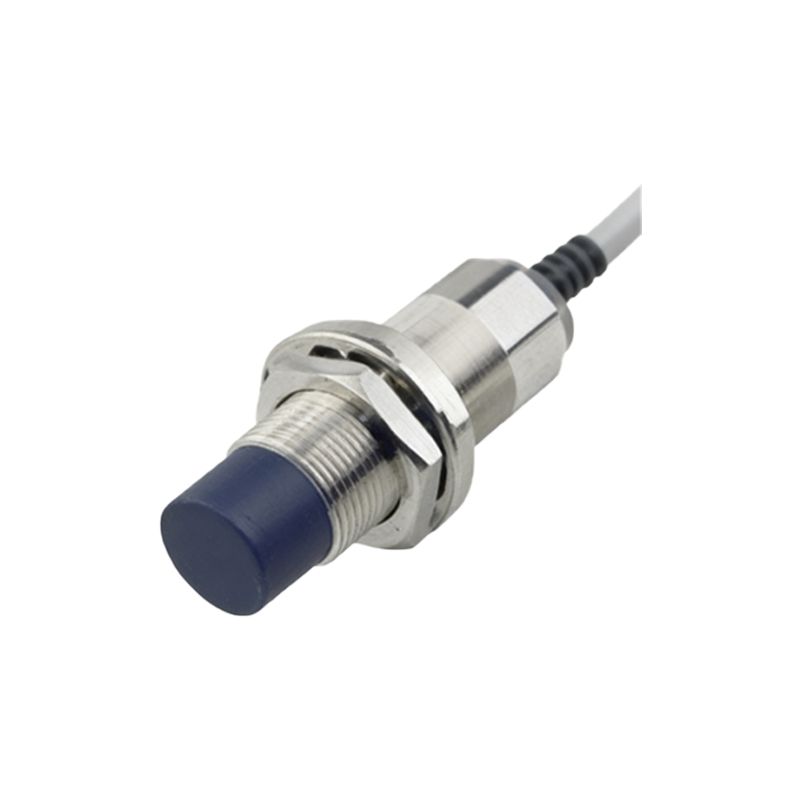
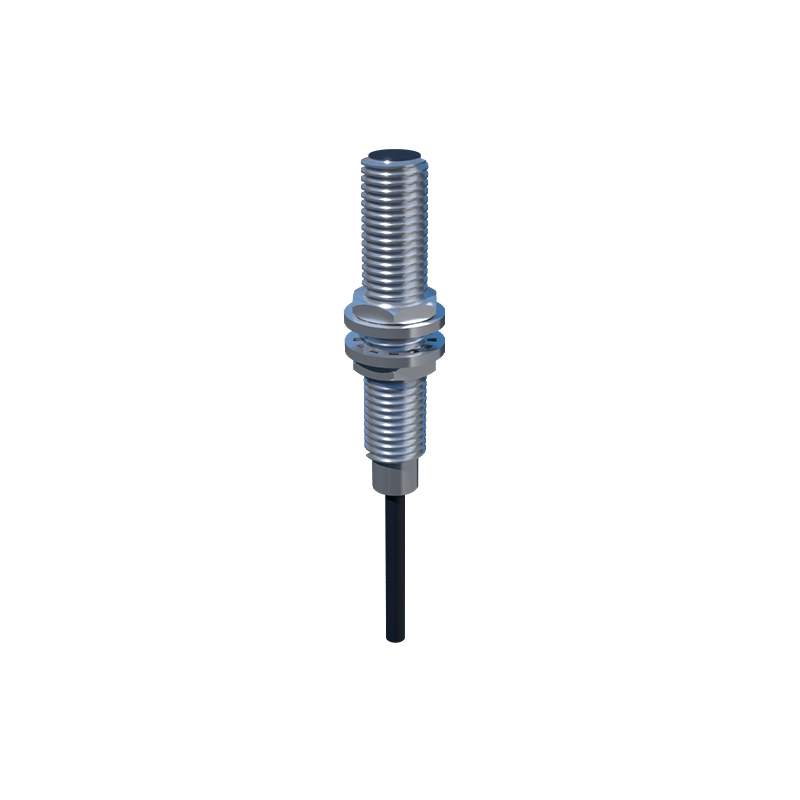
Explosion-proof proximity sensors are specialized non-contact sensing devices engineered to detect the presence or absence of an object within a defined sensing range. Unlike standard sensors, their primary distinction lies in their robust construction and certification for use in hazardous locations where flammable gases, vapors, combustible dusts, or ignitable fibers may be present. They operate on various principles, including inductive (for metallic targets), capacitive (for non-metallic materials), and magnetic (using a permanent magnet). The core function is to provide a reliable electrical signal—without physical contact—to a control system, signaling that an object has reached a specific position, thus enabling automated control, sequencing, counting, or safety interlocking.
The Critical Role in Hazardous Area Safety
The paramount utility of explosion-proof proximity sensors is risk mitigation. In industries such as oil and gas refining, chemical processing, pharmaceutical manufacturing, grain handling, and paint spraying, the ambient atmosphere can become explosive. A standard electronic device, which can generate sparks or excessive heat during normal operation or fault conditions, could act as an ignition source. Explosion-proof sensors are housed in enclosures designed to withstand and contain an internal explosion without allowing flames or hot gases to escape and ignite the surrounding hazardous atmosphere. This intrinsic safety or explosion-proof design is not merely an accessory; it is a fundamental requirement to prevent catastrophic events, ensuring personnel safety and protecting multi-million dollar assets from fire or explosion.
Enhancing Operational Reliability and Uptime
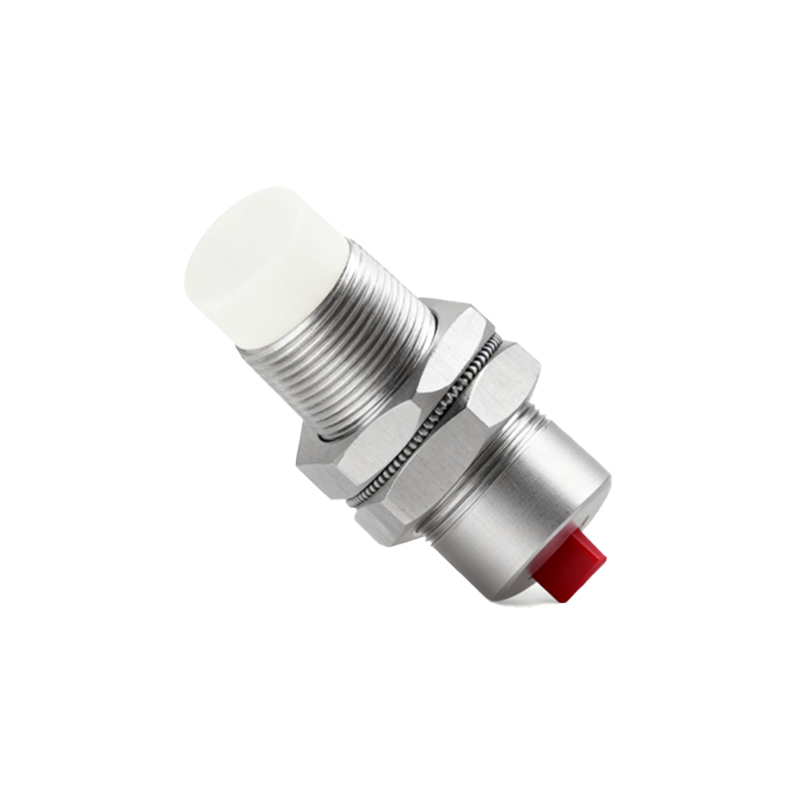
Beyond pure safety, these sensors deliver exceptional operational reliability. Their non-contact nature eliminates mechanical wear and tear associated with limit switches, leading to significantly longer service life and reduced maintenance downtime. They are highly resistant to environmental challenges commonly found in harsh industrial settings, including moisture, vibration, corrosive chemicals, and extreme temperatures. This durability translates to consistent, repeatable performance in critical processes. For instance, in a bottling plant within a solvent-rich environment, an explosion-proof capacitive sensor can reliably detect glass or plastic bottles on a conveyor, ensuring precise filling and capping operations without the risk of ignition from solvent vapors.
Key Applications Across High-Risk Industries
The applications are vast and industry-specific. In oil and gas, they monitor valve positions on offshore platforms or in refineries. In chemical plants, they control the level of flammable liquids in tanks or detect the position of agitators in reactors. Within grain elevators and flour mills, they are used for bin level detection and conveyor belt sequencing where combustible dust clouds are a constant hazard. In mining, specially certified sensors monitor equipment like continuous miners and conveyor systems in methane-prone atmospheres. Their ability to function flawlessly in these demanding conditions makes them indispensable for automation and process control where failure is not an option.
Selection Criteria and Certification Standards
Selecting the appropriate explosion-proof proximity sensor requires careful consideration. Engineers must first classify the hazardous area according to established standards like the North American NEC (Class I, Division 1/2 for gases; Class II for dusts) or the international IECEx/ATEX zones (Zone 0, 1, 2 for gases; Zone 20, 21, 22 for dusts). The sensor's certification must match the area classification. Other critical factors include the sensing distance, target material, output type (PNP/NPN, analog, IO-Link), electrical connection, housing material (often stainless steel or brass), and temperature rating. Proper selection ensures not only regulatory compliance but also optimal performance and longevity in the intended application.
Conclusion: An Investment in Safety and Efficiency
In conclusion, explosion-proof proximity sensors are far more than simple detection devices. They are engineered safety components that form a critical layer of protection in hazardous industrial ecosystems. Their utility lies in their dual capability: enabling sophisticated automation and process control while fundamentally safeguarding against the risk of ignition. By ensuring operational continuity in the most challenging environments and preventing potentially devastating incidents, they represent a vital investment. For any operation involving potentially explosive atmospheres, integrating correctly certified and applied proximity sensors is a non-negotiable aspect of responsible and efficient engineering practice.