Introduction to Proximity Sensors
Proximity sensors are fundamental components in the realm of industrial automation and control systems. As non-contact detection devices, they are engineered to identify the presence or absence of an object within a specific sensing range without any physical contact. This capability is crucial in environments where reliability, speed, and hygiene are paramount. Manufactured by original equipment manufacturers (OEMs) or specialized sensor producers, these devices are built to stringent quality standards, ensuring consistent performance and longevity in demanding applications. Their design principles vary, leading to different types such as inductive, capacitive, ultrasonic, and photoelectric sensors, each suited for specific material detection and environmental conditions.
Core Functions and Operational Principles
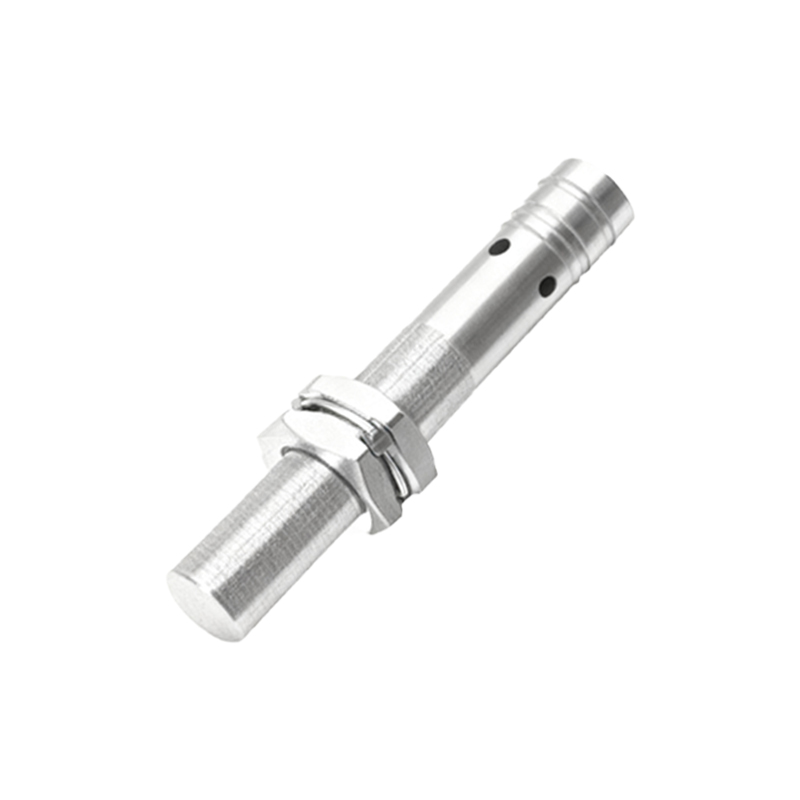
The primary function of a proximity sensor is to detect an object and convert this detection into an electrical signal. An inductive proximity sensor, for instance, generates an electromagnetic field. When a metallic object enters this field, it causes a change in the oscillation amplitude, which the sensor's circuit detects, triggering a switch. Capacitive sensors work similarly but can detect both metallic and non-metallic materials by sensing changes in capacitance. These operational principles allow for precise, repeatable detection, which is the backbone of automated processes like counting, positioning, and end-of-travel monitoring. The absence of mechanical contact means no wear and tear on the sensor or the target, leading to minimal maintenance and high operational uptime.
Key Applications in Industrial Automation
In industrial settings, proximity sensors are ubiquitous. On assembly lines, they verify the presence of components before a robotic arm performs a task, preventing errors and jams. In packaging machinery, they ensure products are correctly positioned for sealing or labeling. Machine tools use them for tool positioning and to prevent collisions. Furthermore, in material handling systems, sensors monitor the position of pallets, doors, and elevators. Their role in safety systems is also critical; for example, they can act as interlock devices to ensure a guard door is closed before a machine starts, protecting personnel from harm. The robustness of original manufacturer sensors ensures they withstand harsh conditions involving dust, moisture, vibration, and extreme temperatures.
Advantages of Sourcing from Original Manufacturers
Procuring proximity sensors directly from original manufacturers or authorized distributors offers significant advantages. Firstly, it guarantees product authenticity, ensuring the sensor meets the published specifications for sensing range, response time, and environmental ratings. Original manufacturers provide comprehensive technical data sheets, application notes, and compliance certificates (e.g., CE, UL). This support is vital for proper integration and system safety. Secondly, OEM sensors often feature advanced technologies like improved noise immunity, embedded diagnostics (IO-Link), and enhanced housing materials. Access to genuine replacement parts and direct engineering support minimizes downtime and ensures long-term system reliability, which is more cost-effective than dealing with failures from counterfeit or substandard components.
Selection Criteria for Optimal Performance
Choosing the right proximity sensor requires careful analysis of the application. Key parameters include the sensing distance, which should have a suitable margin (derating) from the nominal value to account for installation tolerances and target variations. The target material dictates the sensor type: inductive for metals, capacitive for various materials including liquids, and photoelectric for long-range or color detection. Environmental factors like temperature, presence of chemicals, or washdown requirements dictate the housing material (e.g., stainless steel, PBT plastic) and ingress protection (IP) rating. Electrical output (PNP/NPN, analog, IO-Link) must be compatible with the controller (PLC). Ignoring these criteria can lead to unreliable operation and system failures.
Future Trends and Technological Integration
The evolution of proximity sensors is closely tied to Industry 4.0 and smart manufacturing trends. Modern sensors are becoming more intelligent, with integrated microprocessors that enable functions like condition monitoring, predictive maintenance alerts, and parameter configuration via digital communication protocols. The adoption of IO-Link, a point-to-point serial communication protocol, allows sensors to transmit detailed diagnostic data (e.g., operating hours, temperature, signal strength) to the control system, facilitating data-driven decision-making. Furthermore, miniaturization continues, allowing sensors to be installed in increasingly compact machinery. As systems demand higher precision and connectivity, original manufacturers are at the forefront of developing sensors that are not just detection devices but integral nodes in the industrial Internet of Things (IIoT) ecosystem.
Conclusion and Best Practices
In summary, proximity sensors are indispensable for modern industrial automation, providing reliable, non-contact detection that enhances efficiency, safety, and quality. Their value is maximized when selected and applied correctly, with careful consideration of the target, environment, and required performance. Sourcing high-quality sensors from reputable original manufacturers is