Introduction to Nantian PR9 Photoelectric Sensors
The Nantian PR9 series represents a significant advancement in photoelectric sensing technology, engineered specifically for demanding industrial environments. These sensors utilize modulated infrared light to detect objects with high precision, effectively filtering out ambient light interference. The PR9 models are renowned for their robust construction, featuring durable housings that provide exceptional resistance to dust, moisture, and mechanical impact. This makes them an ideal choice for applications in manufacturing, packaging, material handling, and assembly lines where reliability is non-negotiable. Their design philosophy centers on delivering consistent performance, ensuring that automated systems can operate seamlessly without false triggers or missed detections, thereby optimizing overall production efficiency and reducing downtime.
Core Technical Specifications and Operating Principles
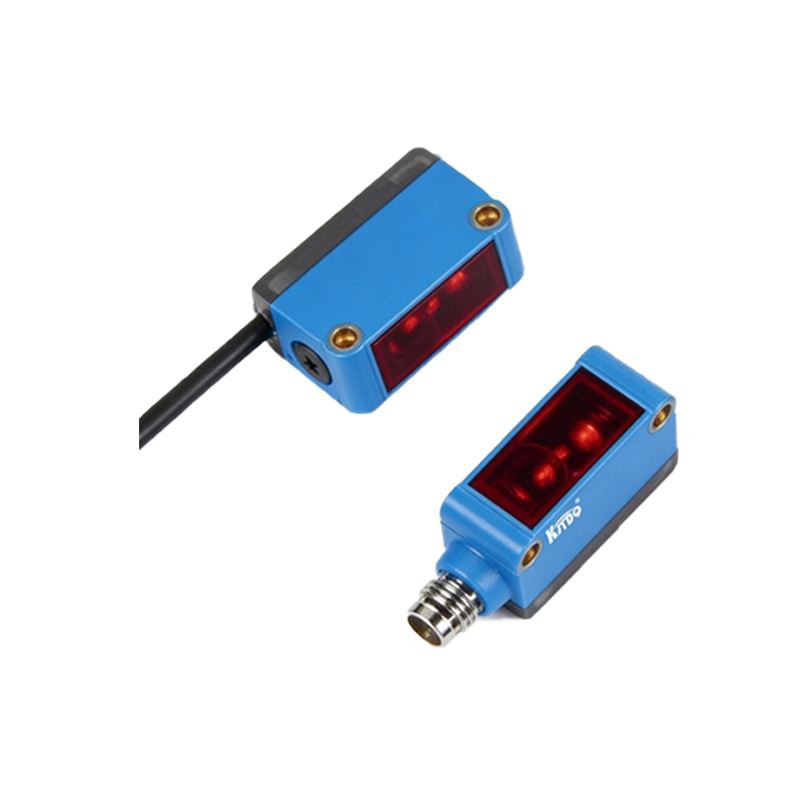
Operating on the principle of light beam interruption or reflection, the PR9 sensors are available in through-beam, retro-reflective, and diffuse reflective types to suit various detection needs. The through-beam variant, consisting of a separate transmitter and receiver, offers the longest sensing range and highest reliability for precise object positioning. Key technical parameters include a high switching frequency, allowing for the detection of rapidly moving objects on conveyor belts. The sensors typically feature a sensing distance ranging from a few centimeters up to several meters, adjustable sensitivity via potentiometers, and both NPN and PNP output configurations for compatibility with different PLC systems. A critical feature is the built-in stability indicator, usually an LED, which provides real-time status feedback for easy installation and troubleshooting.
Advanced Features and Environmental Robustness
Beyond basic detection, the PR9 series incorporates several advanced features that set it apart. Many models include background suppression technology, which allows the sensor to ignore objects beyond a set distance, focusing only on the target. This is particularly useful in cluttered environments. The sensors are designed to perform reliably across a wide temperature range, often from -25°C to 55°C, and possess high ingress protection ratings such as IP67, making them suitable for washdown areas in food processing or outdoor use. Their stable performance is largely due to sophisticated circuitry that compensates for factors like target color, reflectivity, and surface texture, ensuring accurate detection whether the object is transparent, opaque, shiny, or matte.
Application Scenarios in Modern Industry
The versatility of the Nantian PR9 sensor finds application in numerous industrial scenarios. In automated packaging lines, they are indispensable for detecting the presence of products, counting items, and controlling filling levels. Within the automotive sector, these sensors ensure precise positioning of components during robotic assembly. They are also widely used in warehouse automation for pallet detection, guiding automated guided vehicles (AGVs), and monitoring inventory on high-speed sorting systems. Their ability to detect small or low-contrast objects makes them perfect for electronics manufacturing, where they verify the placement of tiny components on printed circuit boards (PCBs).
Installation, Configuration, and Maintenance Best Practices
Proper installation is crucial for optimal sensor performance. It is recommended to securely mount the sensor using appropriate brackets, ensuring the optical axis is correctly aligned with the target. Environmental factors such as strong ambient light from welding arcs or sunlight should be mitigated using shades or by selecting sensors with special filters. During configuration, the sensitivity should be adjusted to a level where the target object is reliably detected while ignoring background interference. Regular maintenance involves keeping the lens clean from dust, oil, or debris and periodically checking the mounting stability and cable integrity. Most PR9 sensors are designed for long service life with minimal upkeep, but these simple steps prevent operational issues.
Comparative Advantages and Selection Guidance
When compared to other sensing technologies like inductive or capacitive proximity sensors, the PR9 photoelectric sensors offer the distinct advantage of non-contact detection over longer distances and the ability to sense non-metallic objects. Their key advantages include high speed, versatility, and resistance to environmental factors. When selecting a PR9 model, engineers must consider the required sensing range, the size and material of the target object, the required response time, the environmental conditions (presence of dust, steam, or vibration), and the electrical interface needed for the control system. Consulting the detailed datasheet for specific model variants is essential for a perfect match to the application.
Conclusion: Enhancing Automation Reliability
In conclusion, the Nantian PR9 photoelectric sensor series stands as a robust and intelligent solution for modern industrial automation challenges. By providing accurate, fast, and reliable object detection across a wide array of conditions, these sensors form a critical backbone for efficient and fault-tolerant automated systems. Their advanced features, environmental toughness, and ease of integration empower engineers to design more sophisticated and productive machinery. As industries continue to embrace Industry 4.0 and smart manufacturing principles, the role of precise sensing components like the PR9 will only become more pivotal in driving operational excellence and maintaining competitive advantage in the global market.