Introduction to Through-Beam Photoelectric Sensing
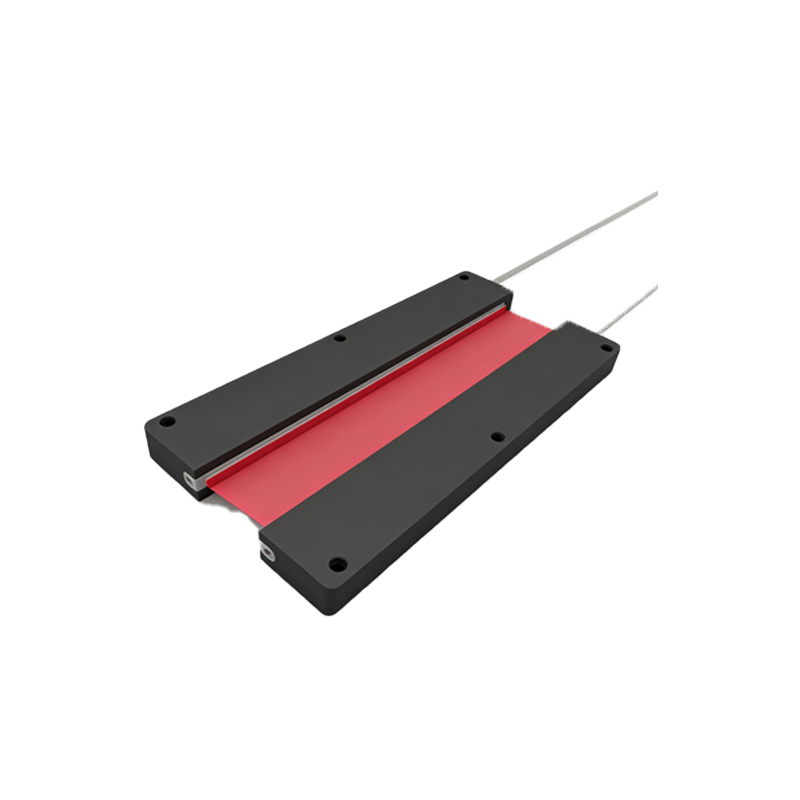
Through-beam photoelectric sensors, often considered the most robust and reliable type in the photoelectric sensor family, operate on a straightforward principle. The system consists of two separate units: a transmitter and a receiver. The transmitter emits a continuous or modulated beam of light, typically infrared, visible red, or laser. The receiver, positioned directly opposite the transmitter, is dedicated to detecting this specific light signal. An object is detected when it physically interrupts the light beam traveling from the transmitter to the receiver. This simple "light on / light off" detection method provides exceptional reliability and the longest sensing ranges among photoelectric sensors, often exceeding 100 meters for high-power laser models.
Core Operating Principle and Advantages
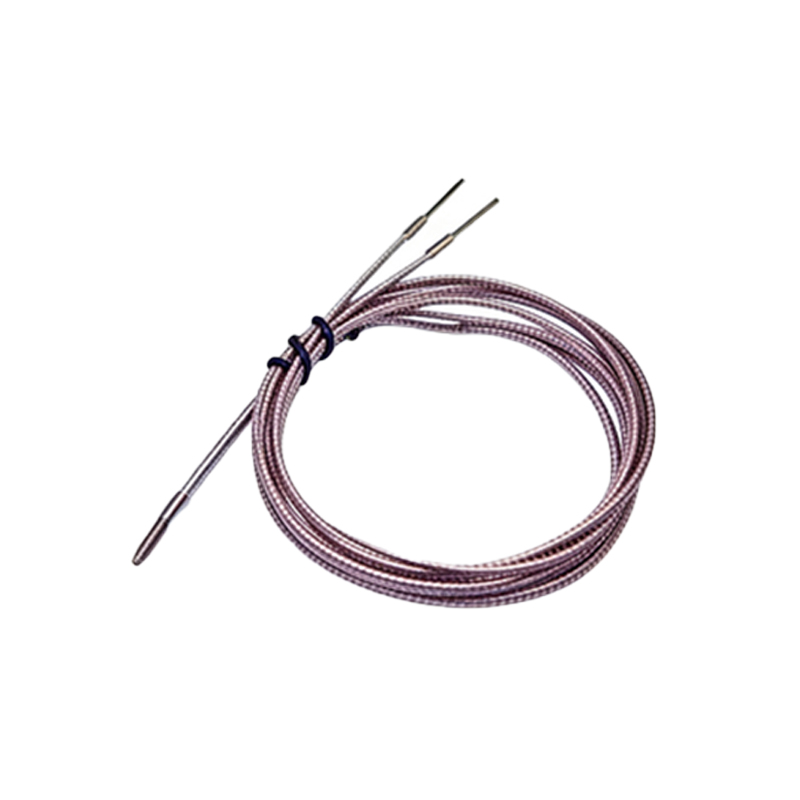
The fundamental advantage of the through-beam configuration lies in its high energy efficiency and signal integrity. Since the receiver only needs to see the light from its dedicated transmitter, it is largely immune to environmental factors like target color, reflectivity, or surface finish. A black, non-reflective object is detected as easily as a shiny, white one. This makes it ideal for detecting transparent materials like glass or plastic films, which can challenge other sensor types. Furthermore, the physical separation allows for very high excess gain, meaning the received light signal is significantly stronger than the minimum required for detection. This results in superior performance in dirty, dusty, or foggy environments where light attenuation is a concern, and provides excellent stability against background optical interference.
Key Industrial Applications
Through-beam sensors are workhorses in automation and material handling. A primary application is in safety systems, such as perimeter guarding on machinery or access control for hazardous areas, where a broken beam triggers an immediate machine stop (e.g., light curtains). In packaging and bottling lines, they are indispensable for accurate object counting, regardless of package color or label. They are used for break detection in web processes for textiles, paper, or foil, where a snapped thread or torn material interrupts the beam. In automotive assembly, they verify the presence or absence of components on a fast-moving conveyor. Their long range also makes them perfect for large-scale applications like vehicle detection in parking garages, warehouse door monitoring, and even in agriculture for monitoring crop flow in harvesting equipment.
Installation and Alignment Considerations
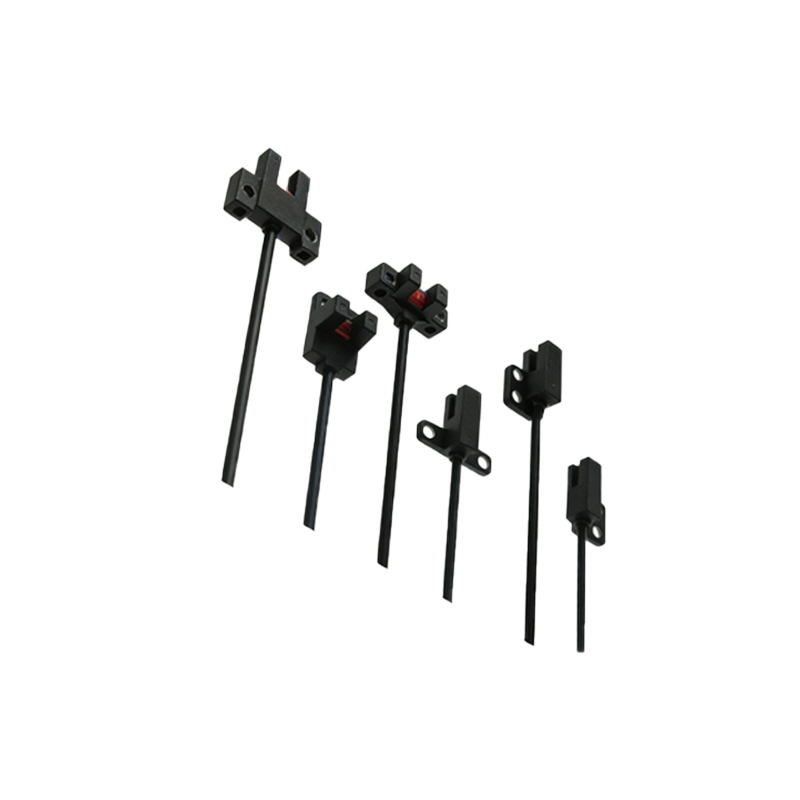
While highly effective, through-beam sensors require careful installation. The primary challenge is precise mechanical alignment of the transmitter and receiver. Even a slight angular misalignment can cause the beam to miss the receiver's lens, leading to detection failure. For long-range setups, laser-based models are preferred due to their highly collimated beam, which simplifies alignment and maintains a small spot size over distance. Many modern sensors feature alignment indicators, such as LED signals that change color or brightness when optimal alignment is achieved. Robust mounting brackets and vibration-resistant designs are crucial in industrial environments to maintain alignment over time. Proper cleaning schedules for the lenses are also essential to prevent false triggers from accumulated dirt blocking the beam.
Selecting the Right Sensor for the Job
Choosing an appropriate through-beam sensor involves evaluating several parameters. First, determine the required sensing distance and beam type; standard LED for shorter ranges and general use, or laser for long range, precise detection, or small object sensing. Consider the response time or switching frequency; high-speed applications like counting small parts on a vibratory feeder demand microsecond-range sensors. The housing material is critical—stainless steel or specialized plastics may be needed for washdown (IP69K) environments in food and beverage. Output type (PNP/NPN, relay, analog) must match the control system. Finally, evaluate special features like built-in timers for delay functions, diagnostics via IO-Link communication, or synchronization capabilities to prevent crosstalk when multiple sensors are used in close proximity.
Comparison with Other Photoelectric Modes
It is useful to contrast through-beam sensors with retro-reflective and diffuse-reflective types. Retro-reflective sensors use a single unit and a reflector, but can be fooled by shiny objects that reflect the beam back like the reflector. Diffuse (proximity) sensors detect light reflected directly from the target, making them simpler to install but highly sensitive to target color and surface. The through-beam method sacrifices the convenience of single-unit installation for maximum performance, range, and environmental immunity. For the most demanding detection tasks—especially with transparent objects, long distances, or challenging environmental conditions—the through-beam sensor remains the definitive choice, offering unparalleled reliability that justifies its two-component setup.