Introduction to Photoelectric Sensor Technology
Photoelectric sensors are indispensable components in modern industrial automation, providing reliable, non-contact detection of objects. These sensors operate by emitting a beam of light, typically from an LED or laser diode, and detecting changes in the received light intensity caused by the presence or absence of a target object. The fundamental principle allows for high-speed, precise detection across a vast array of applications, from packaging and material handling to automotive assembly and pharmaceutical production. Their versatility stems from various sensing modes—diffuse, retro-reflective, and through-beam—each suited to specific environmental conditions and detection requirements. Understanding these core technologies is the first step in selecting a superior photoelectric sensor that ensures operational efficiency and system reliability.
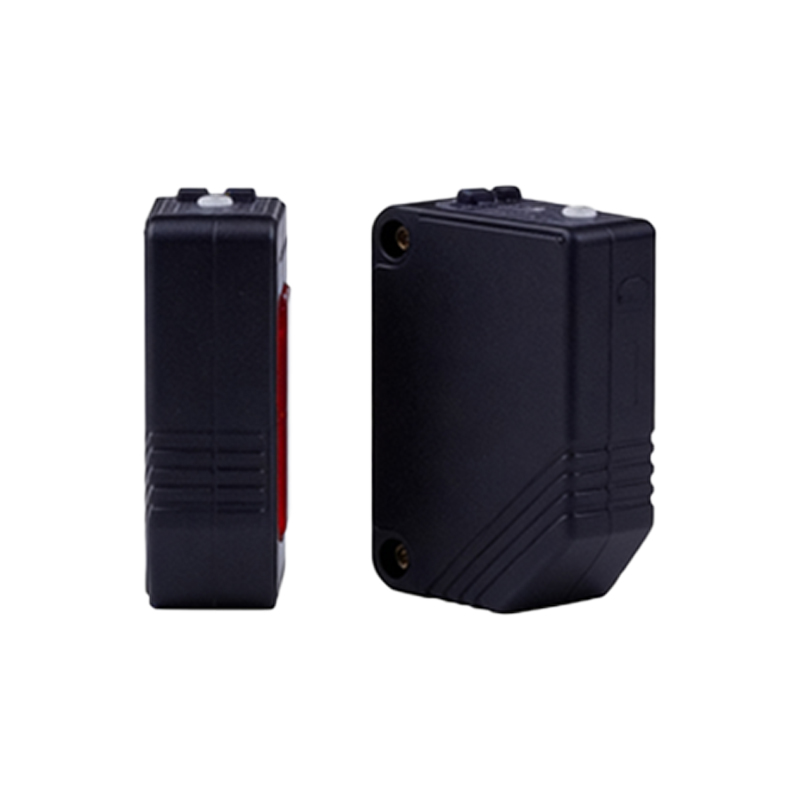
Key Performance Criteria for Superior Sensors
Evaluating photoelectric sensors requires a close examination of several critical performance parameters. Sensing range is paramount; a longer range provides greater installation flexibility. Response time, often in the microsecond range, determines how fast a sensor can detect an object and trigger a control signal, which is crucial for high-speed production lines. Environmental robustness is another key factor. The best sensors feature high Ingress Protection (IP) ratings (e.g., IP67, IP69K) for resistance to dust, water, and harsh cleaning chemicals. They also offer excellent immunity to ambient light interference from factory lighting or sunlight. Additionally, features like adjustable sensitivity, teach-in functionality, and clear status indicators via LED lights significantly enhance usability and reduce setup time.
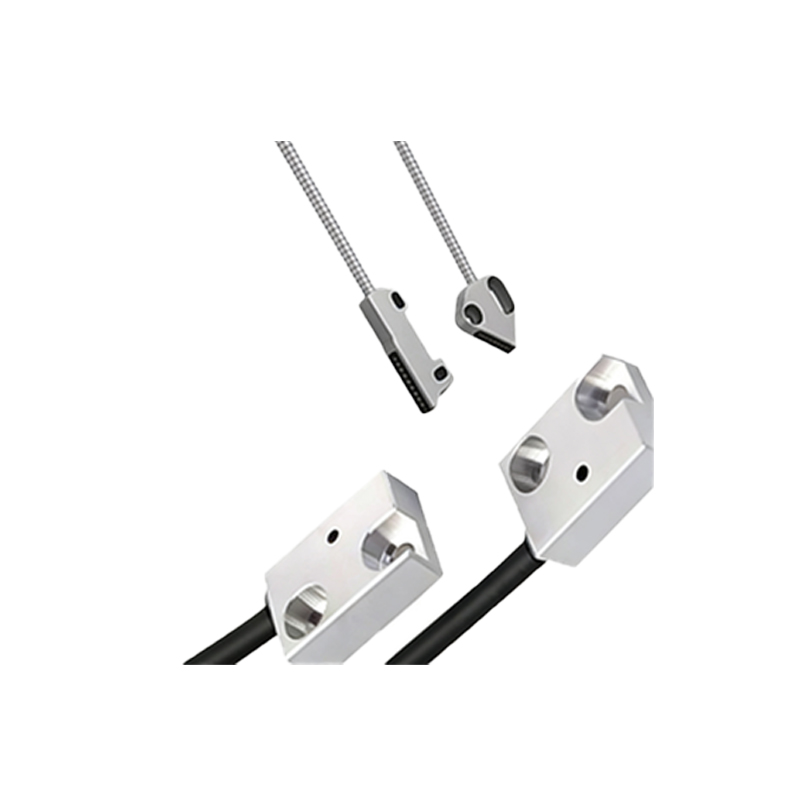
Through-Beam Sensors for Maximum Reliability
Through-beam, or opposed-mode, sensors consist of separate emitter and receiver units. The emitter projects a continuous beam to the receiver. An object is detected when it interrupts this beam. This configuration offers the longest possible sensing ranges and the highest reliability because it is less affected by the object's color, surface finish, or angle. It is the ideal choice for detecting small, opaque objects or in environments with airborne contaminants. Leading manufacturers produce through-beam sensors with ranges exceeding 100 meters for specialized applications. When absolute detection certainty is required in challenging conditions, a high-quality through-beam sensor is often the superior solution.
Diffuse Reflective Sensors for Simplified Installation
Diffuse reflective sensors house both the emitter and receiver in a single housing. They detect an object when the emitted light reflects off the target's surface back to the receiver. This design simplifies installation as only one device needs to be mounted and wired. Modern high-performance diffuse sensors utilize advanced background suppression technology. This technology allows the sensor to ignore objects beyond a preset distance, ensuring it only detects objects within a precise range. This makes them excellent for detecting objects on conveyors, regardless of the conveyor color or background. Look for sensors with a strong, focused beam and stable detection characteristics across various colors and materials.
Retro-Reflective Sensors with Polarization Filter
Retro-reflective sensors also use a single housing but rely on a dedicated reflector placed opposite the sensor. The emitted light beam travels to the reflector and bounces back to the receiver. Detection occurs when an object breaks this beam path. The most significant advancement here is the incorporation of a polarization filter. This filter allows the sensor to distinguish light reflected from the special corner-cube reflector from light reflected off shiny objects like metal or plastic. Without this filter, a shiny object might falsely reflect the beam and prevent detection. Therefore, a retro-reflective sensor with a polarization filter is a superior choice for applications involving glossy or reflective target objects, providing reliable operation where standard reflective sensors would fail.
Laser-Based Sensors for Precision Applications
For applications demanding extreme precision—such as detecting very small parts, precise edge guidance, or accurate distance measurement—laser-based photoelectric sensors are unparalleled. They utilize a focused, visible laser beam, enabling a very small spot size and excellent resolution. This allows for precise detection of minute objects or accurate positioning. Many laser sensors employ background suppression or time-of-flight measurement principles to provide precise measurement data, not just a simple on/off switch. While typically more expensive than standard LED-based sensors, their accuracy, long range from a small spot, and stability make them the superior option for high-precision tasks in electronics manufacturing, robotics, and metrology.
Choosing the Right Sensor for Harsh Environments
Industrial environments can be punishing. Superior photoelectric sensors are engineered to withstand these conditions. Key features to seek include rugged metal or high-grade plastic housings, robust sensing faces resistant to physical impact, and sealed connectors. For washdown areas in food and beverage processing, sensors with stainless steel housings and IP69K ratings are essential. In environments with heavy vibration, sensors with secure, vibration-resistant mounting and stable internal components are critical. Furthermore, sensors designed with wide operating temperature ranges ensure functionality in both freezing cold storage and hot manufacturing areas. Investing in environmentally hardened sensors reduces downtime and maintenance costs.
Integration and Smart Features
The best photoelectric sensors go beyond basic detection; they facilitate easy integration into complex control systems. Modern sensors offer multiple output types (NPN, PNP, analog, IO-Link) to interface seamlessly with PLCs and other controllers. IO-Link, in particular, is a game-changer. It is a point-to-point serial communication protocol that allows for bidirectional data exchange. Through IO-Link, users can remotely monitor sensor health, adjust parameters on-the-fly, and receive detailed diagnostic information, enabling predictive maintenance. Advanced models also feature built-in logic functions, such as timers and counters, which can simplify control cabinet design. These smart features represent the evolution of photoelectric sensors into intelligent components of Industry 4.0 networks.