In industrial automation, automotive systems, and consumer electronics, proximity sensors play a critical role in detecting the presence or absence of objects without physical contact. However, their performance and longevity are often compromised by environmental factors, with moisture and liquids being among the most significant threats. This makes the waterproofing of proximity sensors not just an optional feature but a fundamental requirement for reliability in demanding applications.
The core challenge lies in protecting the sensor's sensitive electronic components—the oscillator, amplifier, and output circuit—from water ingress. Water can cause short circuits, corrosion, signal interference, and ultimately, catastrophic failure. To address this, manufacturers employ a multi-layered approach to sealing and design. The most common standard for defining this protection is the Ingress Protection (IP) rating system, established by the International Electrotechnical Commission (IEC). For proximity sensors, two ratings are particularly crucial: IP67 and IP68.
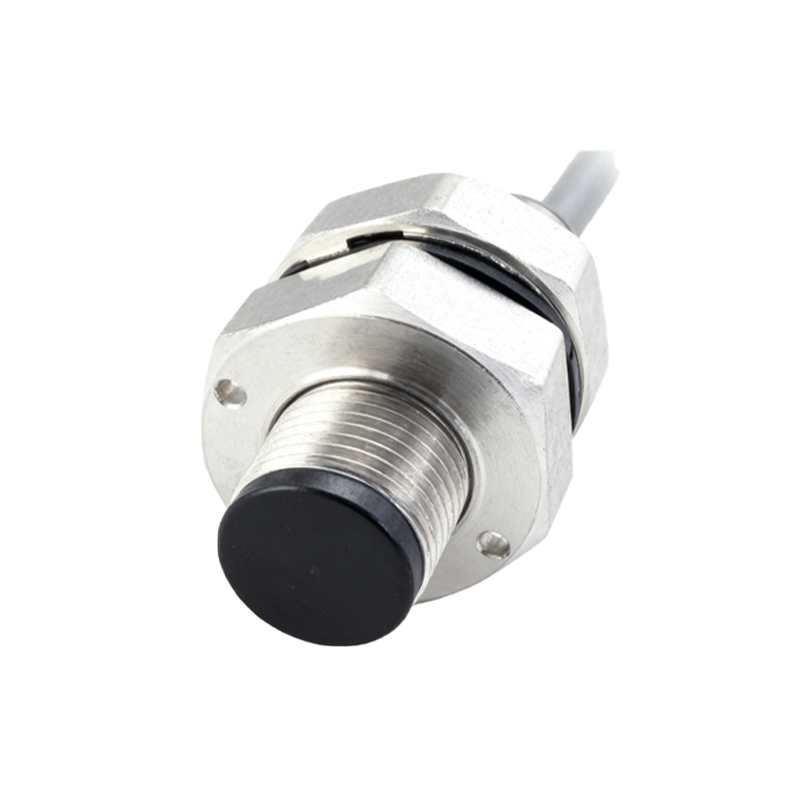
An IP67-rated sensor is deemed dust-tight and can withstand immersion in water up to 1 meter deep for 30 minutes. This level is suitable for most washdown environments in food processing or outdoor applications where temporary exposure to rain or splashing is expected. The more robust IP68 rating indicates protection against continuous immersion under conditions specified by the manufacturer, often at greater depths and for longer durations. These sensors are essential for applications in marine equipment, underwater robotics, or permanently installed systems in wet pits.
Achieving these ratings involves meticulous engineering. The sensor housing is typically constructed from high-grade stainless steel (such as 316L for corrosive environments) or ruggedized plastics like PBT or PPS. Critical to the seal is the use of elastomeric gaskets or O-rings, often made from silicone, fluorosilicone, or EPDM, which are compressed between the housing and the sensing face or cable gland. Potting compounds—epoxy or polyurethane resins—are frequently used to encapsulate the internal circuitry, providing a solid barrier against moisture and offering additional mechanical stability. The sensing face itself, a potential weak point, is often a sealed diaphragm of corrosion-resistant material or is coated with a protective layer that is transparent to the sensor's field.
The type of sensing technology also influences waterproofing strategy. Inductive proximity sensors, which detect metallic objects, often have a solid metal or polymer sensing face that is easier to seal hermetically. Capacitive sensors, capable of detecting non-metallic materials, may use different face materials but follow similar sealing principles. Ultrasonic sensors, which use sound waves, require a carefully designed acoustic lens that must remain acoustically transparent while being perfectly sealed.
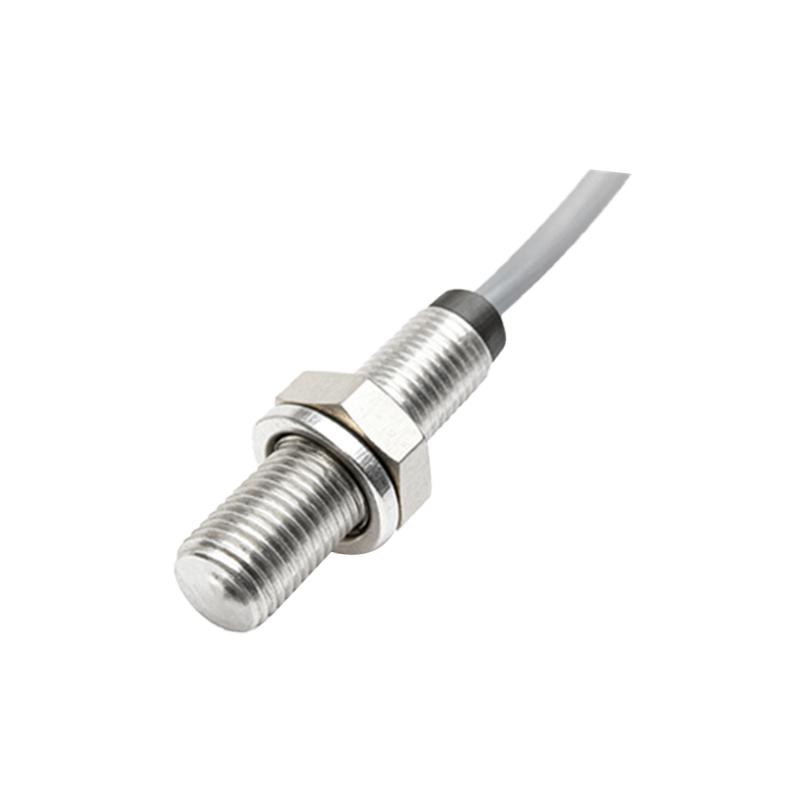
Beyond the IP code, other environmental factors interplay with waterproofing. Sensors may also need to resist chemicals, oils, extreme temperatures, and high-pressure jets. Standards like NEMA in North America or specific industry certifications (e.g., for food and beverage or hazardous areas) provide further guidance. It is vital to consider the complete operational environment, including cleaning protocols that involve high-pressure, high-temperature steam or caustic chemicals, which can degrade seals over time.
For system integrators and engineers, selecting the right waterproof proximity sensor involves a clear assessment of the application. Key questions include: Will the sensor be splashed, sprayed, or fully submerged? What is the fluid composition (water, oil, coolant)? What are the temperature cycles? Is mechanical impact or vibration a concern? Consulting the manufacturer's detailed specifications, not just the IP rating, is essential. Furthermore, proper installation is paramount; even an IP68 sensor can fail if the cable conduit entry is not correctly sealed or if the housing is damaged during mounting.
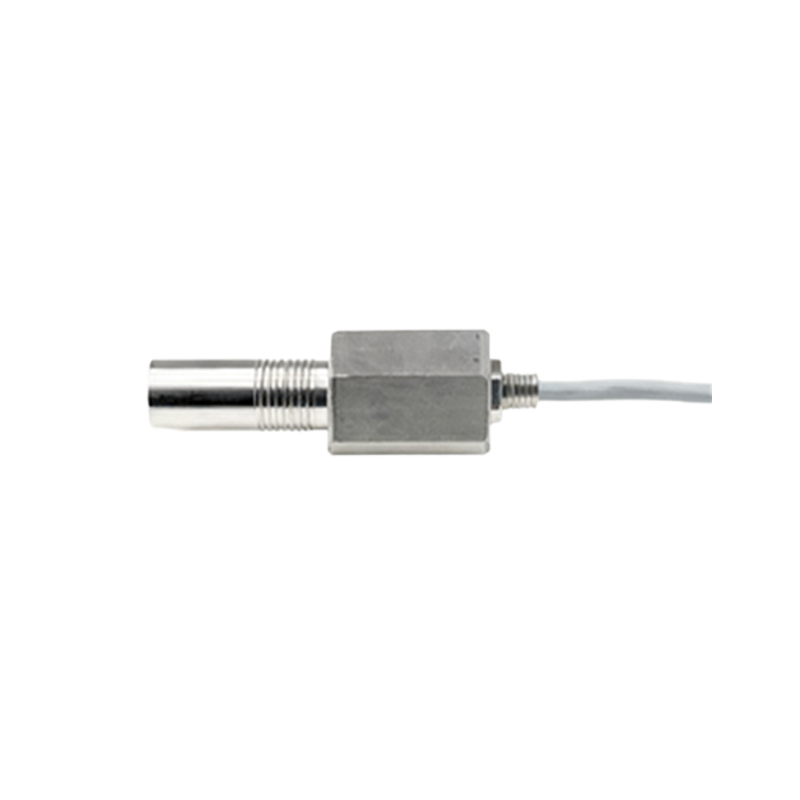
Maintenance, though minimal for well-sealed sensors, should not be ignored. Periodic inspection of the housing for cracks, corrosion, or damage to the sensing face is recommended. Ensuring that cable glands remain tight and that seals have not become brittle over time can prevent unexpected downtime.
In conclusion, waterproofing transforms a standard proximity sensor from a delicate component into a robust and dependable workhorse. By understanding the standards, technologies, and design principles behind waterproof seals, engineers can make informed decisions that ensure sensor longevity, system uptime, and operational safety in the face of moisture and challenging environments. The investment in a properly specified waterproof sensor ultimately protects the larger investment in the machinery and processes it controls.