Introduction to U-Shaped Photoelectric Sensors
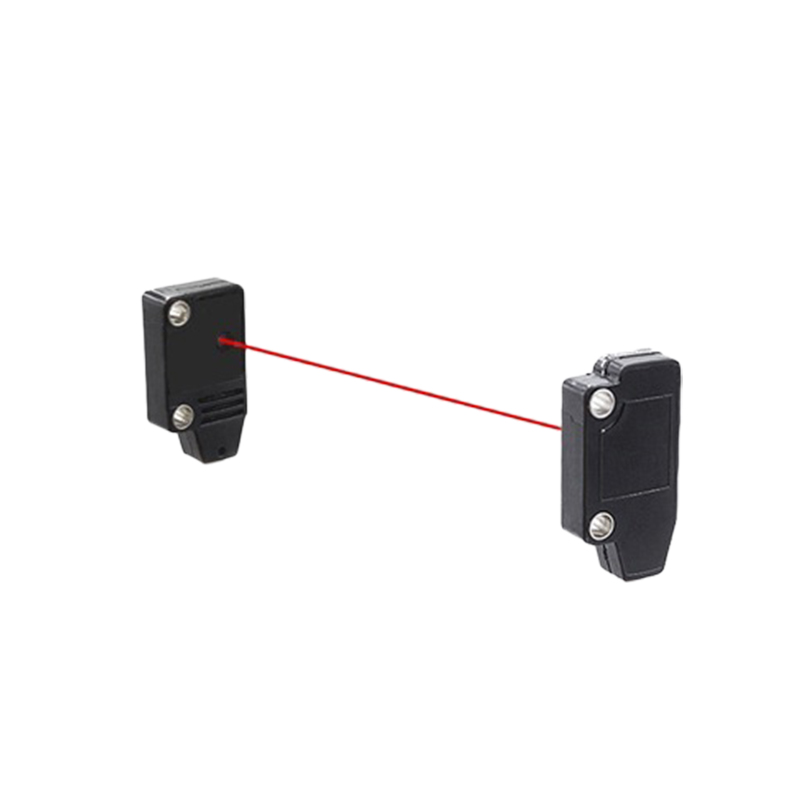
U-shaped photoelectric sensors, often referred to as through-beam sensors, are pivotal components in modern elevator systems. These devices consist of two separate units: an emitter and a receiver, housed in a U-shaped bracket that aligns them precisely across a gap. The emitter projects a beam of light—typically infrared or laser—across this gap to the receiver. When an object interrupts this light beam, the receiver detects the change in light intensity and triggers a signal. This fundamental operating principle makes them exceptionally reliable for object detection, positioning, and safety interlocking in automated systems. In the context of elevators, their non-contact nature, high response speed, and immunity to environmental factors like dust or color variations of the detected object are critical advantages. Their design ensures minimal maintenance and long service life, which is essential for the continuous operation demands of elevator infrastructure.
Core Functions in Elevator Operation and Safety
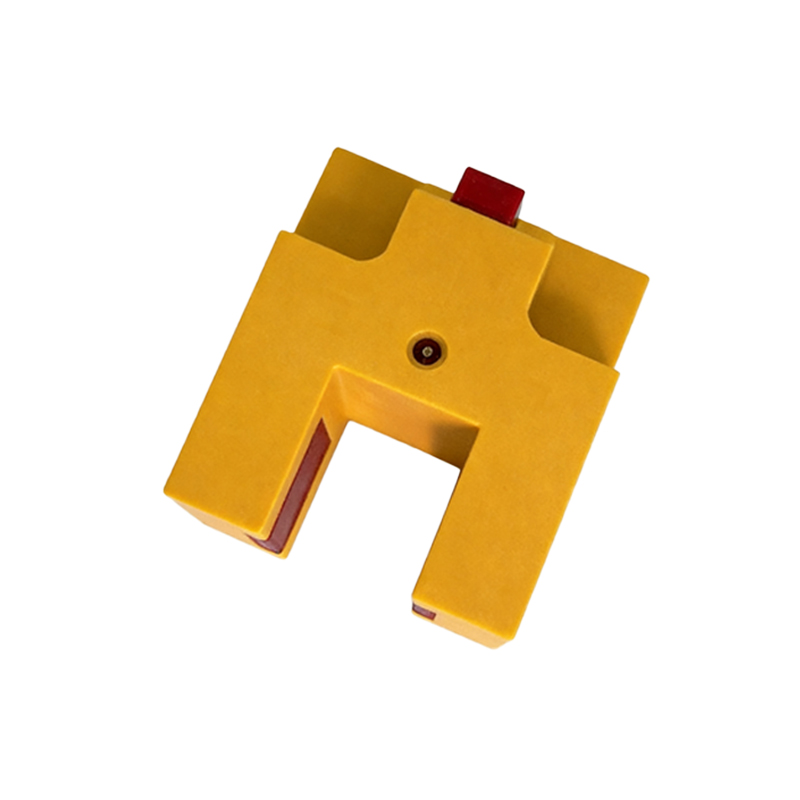
Within elevator systems, U-shaped photoelectric sensors perform several non-negotiable safety and operational functions. A primary application is door zone monitoring. Sensors are installed on both the elevator car door and the hoistway door to detect any obstruction in the door's path during closing. If the light beam is broken by a passenger, luggage, or any object, the sensor immediately sends a signal to the control system to halt door closure and often reverse the doors, preventing entrapment or injury. This is a direct compliance with stringent global elevator safety codes. Furthermore, these sensors are integral to precise car leveling. By detecting reference markers or flags in the elevator shaft, they provide real-time positional feedback to ensure the elevator car stops exactly flush with the landing floor, eliminating tripping hazards and facilitating smooth passenger entry and exit.
Integration with Modern Elevator Control Systems
The effectiveness of U-shaped photoelectric sensors is magnified by their seamless integration into the elevator's programmable logic controller (PLC) or microprocessor-based control system. The digital or analog output from the sensor is fed into the central controller, which processes this input alongside data from other subsystems like motor drives, load cells, and call buttons. This integration allows for sophisticated sequencing. For instance, the door operation sequence—initiating closure, monitoring for obstructions, confirming full closure, and signaling "all clear" for car movement—is managed autonomously and reliably. Advanced systems use multiple sensor pairs for redundancy, creating a fail-safe environment. The sensors' signals also contribute to predictive maintenance algorithms, where irregular patterns in door operation timing can alert technicians to potential alignment issues or wear before a failure occurs.
Technical Advantages Over Alternative Sensing Technologies
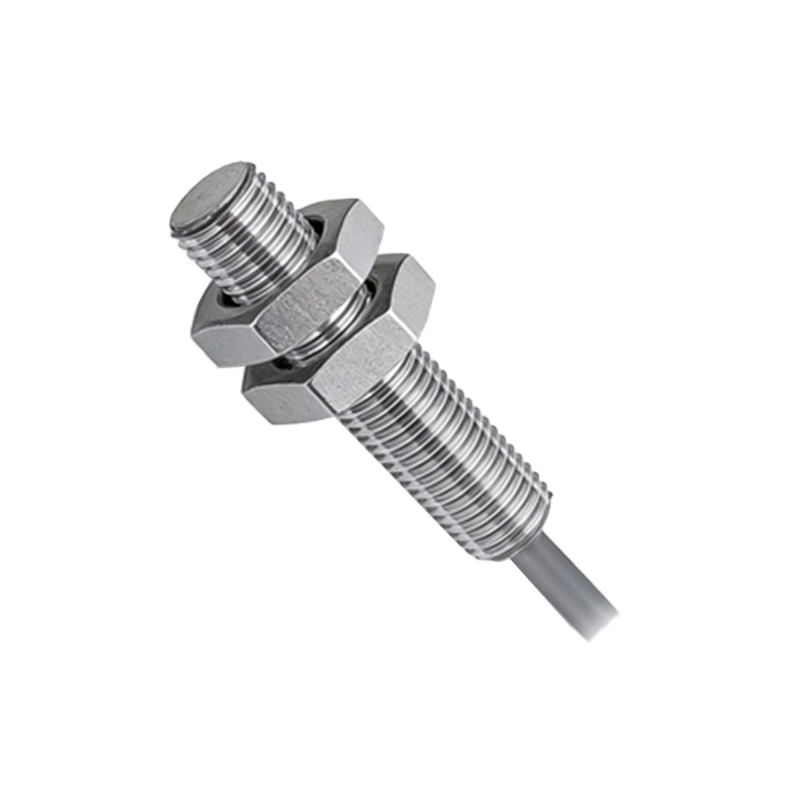
When compared to other common elevator sensors like mechanical limit switches, proximity sensors, or diffuse-reflective photoelectric sensors, U-shaped through-beam models offer distinct technical superiorities. Their primary advantage is the longest sensing range for a given size and power, as the beam travels directly from emitter to receiver without relying on reflection from the target. This results in higher consistency and accuracy, unaffected by the surface color or material of the interrupting object. They are also less susceptible to false triggers from ambient light or reflective backgrounds—a common challenge in metallic elevator shafts. While mechanical switches suffer from physical wear and contact bounce, and proximity sensors have limited range and can be affected by metallic objects, the U-shaped photoelectric sensor provides a clean, non-contact, and highly repeatable switching action, ensuring long-term reliability with virtually no degradation in performance.
Installation, Calibration, and Maintenance Best Practices
Proper installation is paramount for optimal sensor performance. The U-shaped bracket must be rigidly mounted to prevent misalignment due to vibration or thermal expansion common in elevator shafts. The alignment of the emitter and receiver lenses must be precise to ensure a strong, uninterrupted beam. During calibration, technicians use indicator LEDs on the sensor units to verify beam integrity and adjust sensitivity thresholds if the model allows it. Maintenance routines are generally minimal but should include periodic visual inspection for physical damage or accumulation of dirt on the lenses, which can be cleaned with a soft cloth. Checking the tightness of mounting hardware and verifying signal continuity during routine elevator servicing are recommended practices. The simplicity of these tasks underscores the sensor's role as a low-maintenance, high-reliability component.
Future Trends and Evolving Applications
The future of U-shaped photoelectric sensors in elevators is intertwined with the rise of smart buildings and the Internet of Things (IoT). Next-generation sensors are being developed with integrated IO-Link or other industrial communication protocols, enabling them to transmit not just a simple on/off signal but also diagnostic data like operating temperature, light intensity levels, and internal health status directly to building management systems. This facilitates condition-based monitoring and centralized fleet management for elevator portfolios. Furthermore, as elevator designs evolve towards machine-room-less (MRL) configurations and higher energy efficiency, the demand for compact, low-power, yet highly accurate sensors like these will only increase. Their fundamental principle will remain, but enhanced connectivity and intelligence will make them even more critical for safety, efficiency, and data-driven facility management.