Understanding Proximity Sensor Fundamentals
Proximity sensors are indispensable components in modern industrial automation, designed to detect the presence or absence of an object without physical contact. Their operation relies on various physical principles, primarily electromagnetic fields, light, or sound. The key advantage lies in their non-contact nature, which eliminates mechanical wear and tear, ensuring high reliability and long service life. This makes them ideal for harsh environments where dust, oil, or moisture are present. When selecting a conventional proximity sensor, engineers must consider several core parameters: sensing distance, target material, output type (PNP/NPN, NO/NC), and environmental ratings like IP67 for protection against dust and temporary immersion. Understanding these fundamentals is the first step toward choosing the right sensor for a specific application, ensuring robust performance in demanding factory settings.
Inductive Proximity Sensors: The Workhorse for Metal Detection
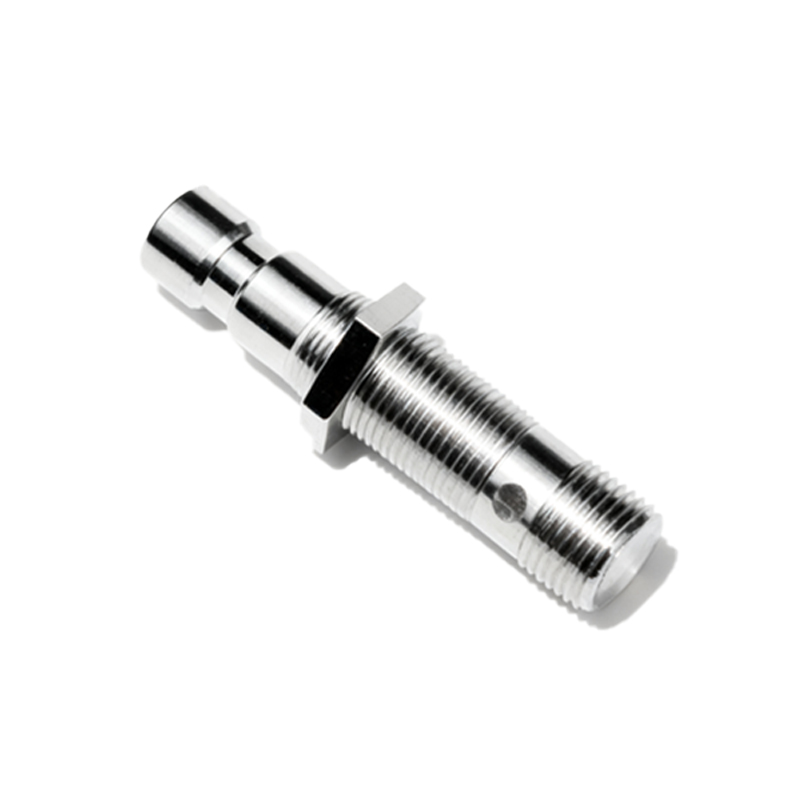
Inductive proximity sensors are arguably the most common type in industrial settings. They generate an electromagnetic field and detect the eddy current losses caused when a metallic target enters this field. These sensors are exceptionally robust, cost-effective, and capable of high switching frequencies. A top recommendation for general-purpose metal detection is the cylindrical M18 or M30 form factor with a sensing range typically up to 10mm for steel. Models featuring a built-in LED status indicator and short-circuit protection are highly advisable for ease of maintenance and system safety. They are perfect for applications like counting metal parts on a conveyor, detecting the position of a machine piston, or as an end-of-travel limit switch in CNC machinery. For environments with heavy metallic swarf, models with increased switching distance hysteresis or weld-field immunity are strongly recommended to prevent false triggers.
Capacitive Proximity Sensors: Versatility for Diverse Materials
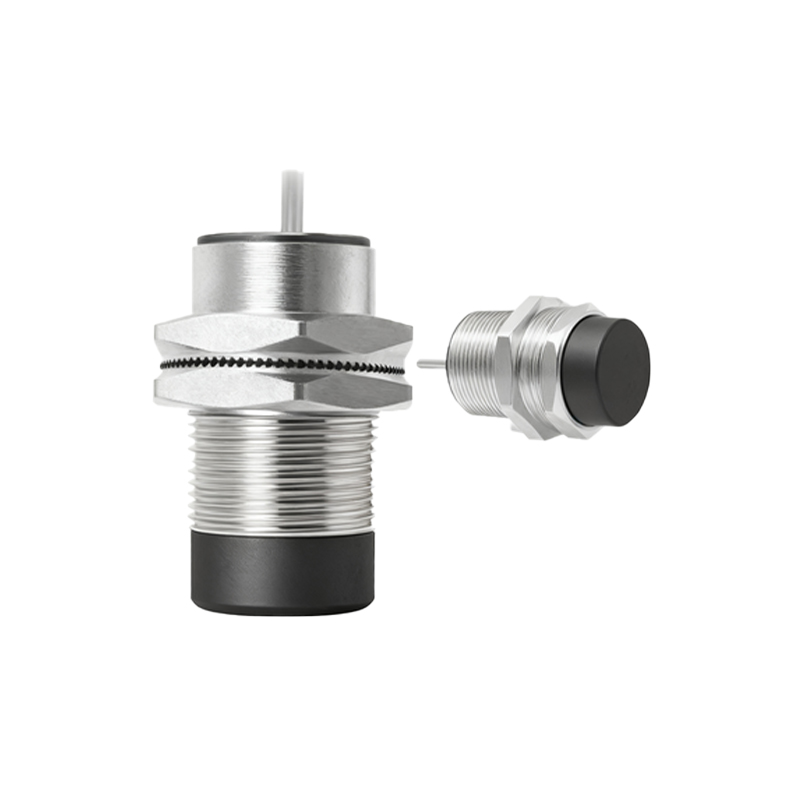
While inductive sensors are limited to metals, capacitive proximity sensors offer a broader detection capability. They can sense virtually any material, including liquids, plastics, glass, and wood, by detecting changes in capacitance. A common industrial recommendation is a flush-mounted capacitive sensor for level detection in tanks or silos, whether monitoring the level of granular plastic pellets or liquid chemicals. These sensors often feature sensitivity adjustment potentiometers, allowing fine-tuning to ignore container walls and focus on the target material. For packaging applications, they excel at detecting the presence of cardboard boxes, bottles (full or empty), or stacks of paper. When selecting a capacitive sensor for humid or condensing environments, ensure it has appropriate compensation circuits to maintain stable operation and avoid drift in the sensing characteristic.
Ultrasonic Proximity Sensors: For Longer Ranges and Challenging Conditions
Ultrasonic sensors operate by emitting high-frequency sound waves and measuring the time for the echo to return. They are excellent for applications requiring longer sensing distances, from a few centimeters up to several meters, and are unaffected by color, transparency, or ambient light conditions. A highly recommended use case is in bulk material handling for monitoring the fill level of large bins containing powders or irregularly shaped objects. They also perform well in detecting transparent objects like glass bottles on a production line, where photoelectric sensors might struggle. Key selection criteria include the beam angle, response time, and temperature compensation, as the speed of sound varies with air temperature. For dusty or steamy environments, ultrasonic sensors often outperform optical types, providing consistent and reliable detection where others may fail.
Photoelectric Sensors: Precision and Flexibility in Detection
Photoelectric sensors use a light beam, typically infrared, visible red, or laser, to detect objects. They are categorized into through-beam, retro-reflective, and diffuse (proximity) modes. For a conventional proximity-style operation, the diffuse mode is most relevant, where the sensor emits light and detects the reflection from the target itself. Recommended models include compact, background suppression sensors that can reliably detect an object at a precise distance while ignoring objects farther away, crucial for robotic pick-and-place operations. For detecting small parts or precise positioning, a focused laser-based diffuse sensor is an excellent choice. When selecting photoelectric sensors for industrial use, consider models with robust housings (often metal), high immunity to ambient light, and teach-in functionality for easy setup. They are ideal for detecting non-metallic items on high-speed assembly lines, verifying label presence, or ensuring correct product orientation.
Key Selection Criteria and Installation Best Practices
Beyond sensor type, successful implementation hinges on proper selection and installation. Always derate the nominal sensing distance (typically to 70-80%) to account for manufacturing tolerances and environmental factors. Pay close attention to the sensor's mounting requirements; inductive sensors, for instance, require specific clearance from surrounding metal to function correctly. Electrical compatibility with the PLC or controller (sinking vs. sourcing