Introduction to Photoelectric Sensor Abbreviations
In industrial automation and control systems, photoelectric sensors are indispensable components for detecting the presence, absence, or position of objects. Professionals in electrical engineering and factory automation frequently encounter various abbreviations related to these devices. Understanding these shorthand terms is crucial for selecting the right sensor, interpreting datasheets, and ensuring seamless system integration. This guide decodes common photoelectric sensor abbreviations, providing clarity for engineers and technicians working on diverse applications, from packaging machinery to automotive assembly lines.
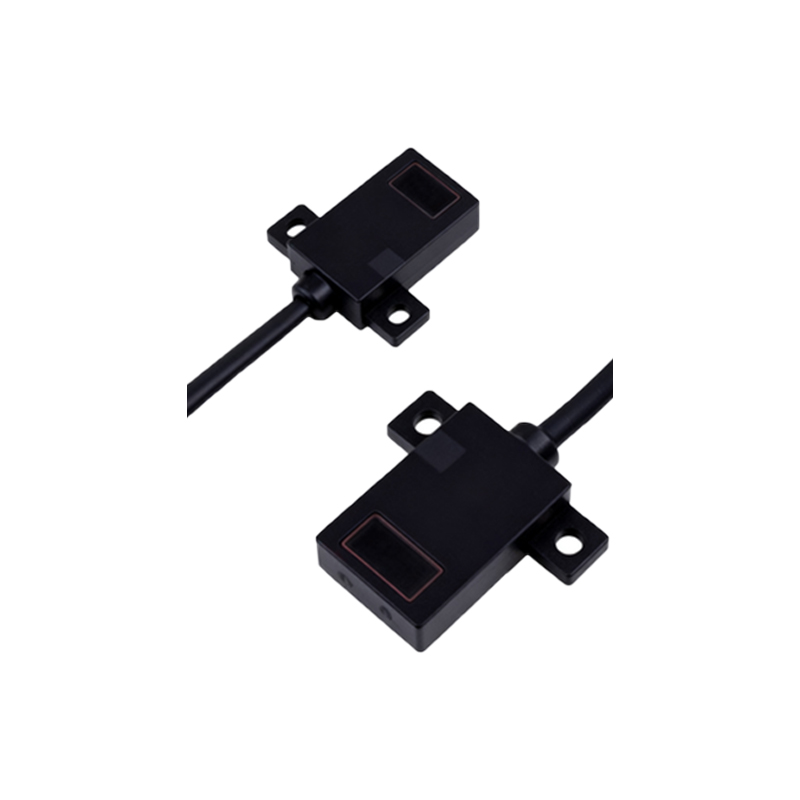
Common Sensing Mode Abbreviations
Photoelectric sensors operate primarily in three sensing modes, each denoted by specific abbreviations. Through-beam sensors are often abbreviated as TB. In this mode, an emitter and receiver are placed opposite each other; an object is detected when it interrupts the light beam. Retro-reflective sensors, labeled RR, utilize a reflector to bounce light back to the receiver, with detection occurring when the beam is blocked. Diffuse reflective sensors, or DR, rely on light reflecting directly off the target object itself. Familiarity with TB, RR, and DR helps in quickly identifying the appropriate detection method for varying object properties and installation constraints.
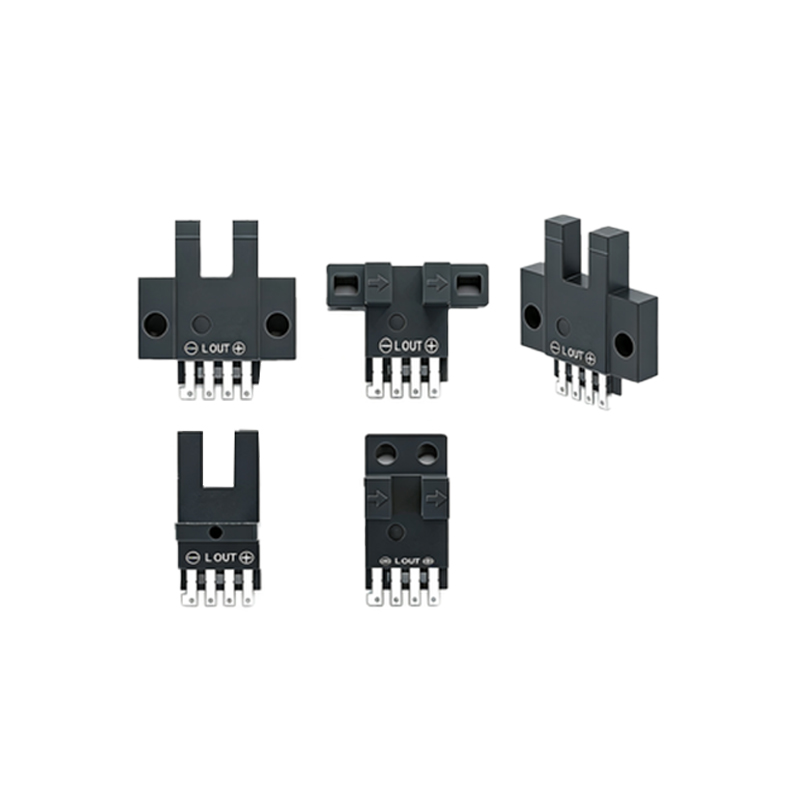
Output Configuration Abbreviations
Output type abbreviations indicate the electrical signal a sensor provides upon detection. Common abbreviations include PNP and NPN, which refer to the transistor output type, defining the switching logic and compatibility with programmable logic controllers (PLCs). NO and NC stand for Normally Open and Normally Closed contacts, describing the output circuit's default state. Additionally, analog output sensors may be denoted by abbreviations like 0-10V or 4-20mA, specifying the signal range. Understanding these output abbreviations, such as PNP-NO or NPN-NC, is essential for correct wiring and interface with control systems.
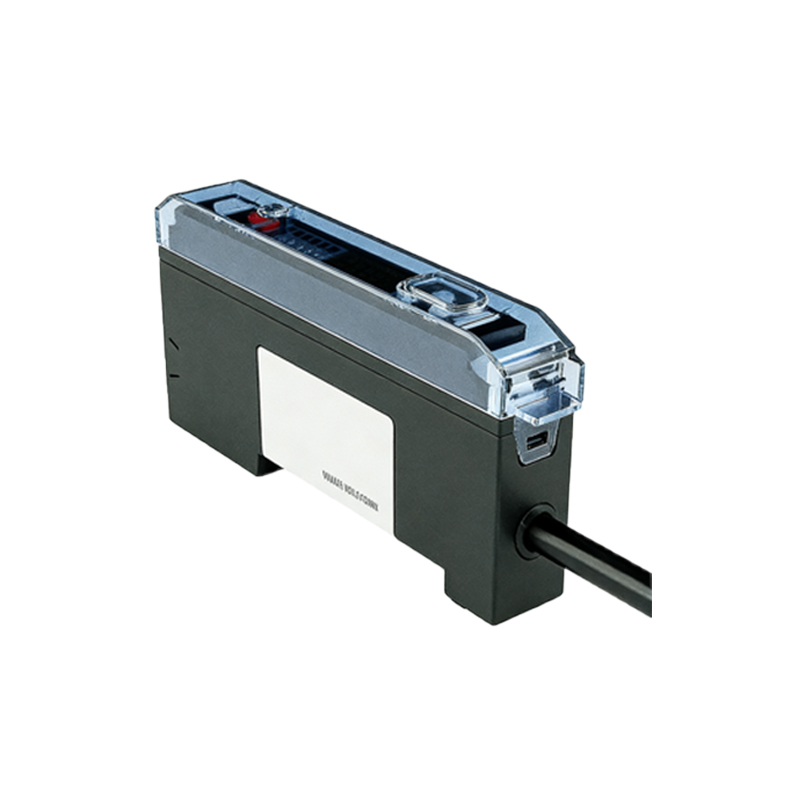
Light Source and Beam Type Abbreviations
The light source used in a photoelectric sensor influences its performance and application suitability. LED (Light Emitting Diode) is the most common, with colors specified: R for red, IR for infrared, and G for green. Laser sensors may be abbreviated as LAS, offering precise, focused beams for high-accuracy tasks. Some advanced sensors feature modulated light, abbreviated as MOD, to resist ambient light interference. Beam type abbreviations also include PS for polarized light used in retro-reflective models to detect shiny objects, and FS for fiber optic units, which guide light through flexible cables for confined spaces.
Housing and Protection Rating Abbreviations
Abbreviations related to housing and environmental protection ensure sensors withstand operational conditions. IP (Ingress Protection) ratings, like IP67 or IP69K, indicate resistance to dust and water. NEMA ratings, such as NEMA 4X, are also used in some regions. Housing shape abbreviations include CYL for cylindrical barrels and BX for rectangular block styles. Materials may be noted as SS for stainless steel or PBT for plastic housings. These abbreviations guide selection for harsh environments involving washdowns, oils, or mechanical impacts, ensuring long-term reliability.
Functional and Special Feature Abbreviations
Modern photoelectric sensors incorporate advanced features with specific abbreviations. BGS (Background Suppression) sensors ignore objects beyond a set distance, while FGS (Foreground Suppression) variants ignore closer backgrounds. TEACH or SET refers to programmable settings via a button. TIM stands for timer functions for delayed output. IO-Link is a communication protocol abbreviation for smart sensors enabling data exchange. Understanding abbreviations like BGS, TEACH, and IO-Link helps engineers leverage enhanced functionalities for complex automation tasks, improving system flexibility and diagnostics.
Application-Specific Abbreviations
Certain abbreviations are tied to niche applications. For example, CLEAR for sensors detecting transparent materials like glass or film. CONT may denote continuous measurement mode for analog sensors. In safety systems, ESPE (Electro-Sensitive Protective Equipment) includes light curtains with abbreviations like AOPD (Active Opto-electronic Protective Device). Recognizing these specialized terms ensures correct sensor deployment in unique scenarios, from bottling plants to robotic work cells, optimizing detection accuracy and operational safety.
Conclusion and Best Practices
Mastering photoelectric sensor abbreviations streamlines design, procurement, and maintenance processes in industrial settings. Engineers should consistently refer to manufacturer datasheets, as abbreviations can vary slightly between brands. When in doubt, consulting technical support or industry standards like IEC 60947-5-2 is advisable. Keeping a personal glossary or digital reference of common abbreviations, such as TB, PNP, IP67, and BGS, can enhance efficiency and reduce errors during system integration and troubleshooting. Ultimately, this knowledge empowers professionals to build robust, efficient automation systems tailored to specific operational demands.