Introduction to Solar Photoelectric Sensors
Solar photoelectric sensors represent a significant advancement in industrial sensing technology, merging the principles of photoelectric detection with sustainable solar energy harvesting. These devices are designed to detect the presence, absence, or distance of an object by using a light transmitter and receiver. The key differentiator lies in their power source: integrated photovoltaic cells that convert ambient light into electrical energy to power the sensor's operation. This self-sufficient design eliminates the need for external wiring or frequent battery replacements, making them ideal for remote, mobile, or hard-to-access installations. The core components typically include a light-emitting element (often an LED), a photodetector, signal processing circuitry, and a solar panel module. Their operation hinges on modulating the light beam; when an object interrupts or reflects this beam, the sensor triggers a switch signal.
Fundamental Operating Principles
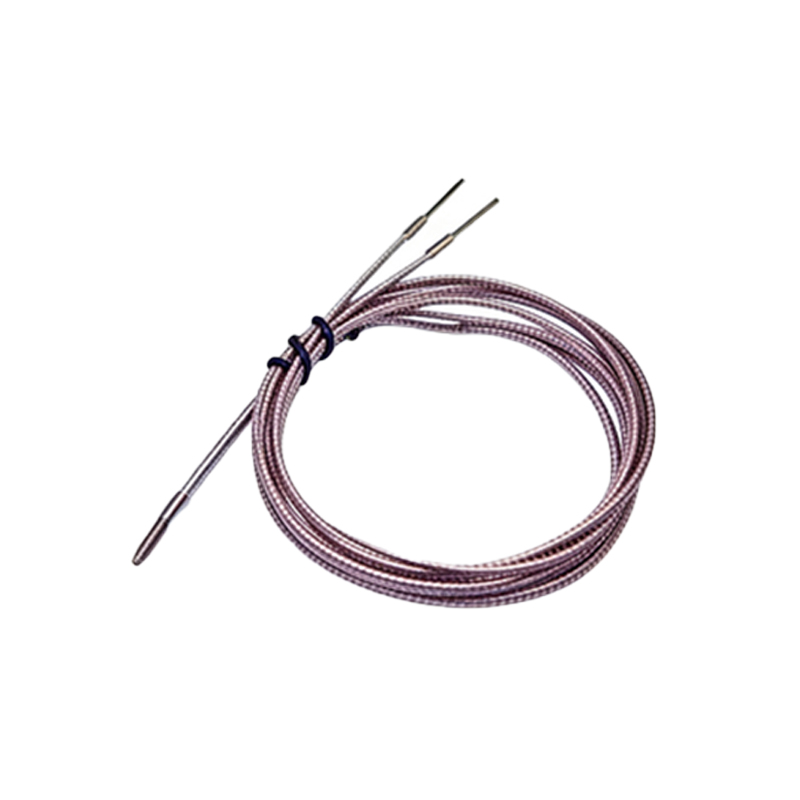
The functionality of a solar photoelectric sensor is based on three primary detection modes: through-beam, retro-reflective, and diffuse reflective. In through-beam mode, the transmitter and receiver are separate units. The object is detected when it breaks the light beam traveling from the transmitter to the receiver. This mode offers the longest sensing range and highest reliability. Retro-reflective mode uses a single unit housing both emitter and receiver, along with a reflector. Detection occurs when the object interrupts the beam reflected back from the reflector. Diffuse reflective mode, also with a single unit, detects objects based on the light reflected directly from the object's surface. The solar cell continuously charges an internal energy storage device, such as a capacitor or rechargeable battery, ensuring uninterrupted operation even during periods of low light, thanks to intelligent power management systems.
Key Advantages and Benefits
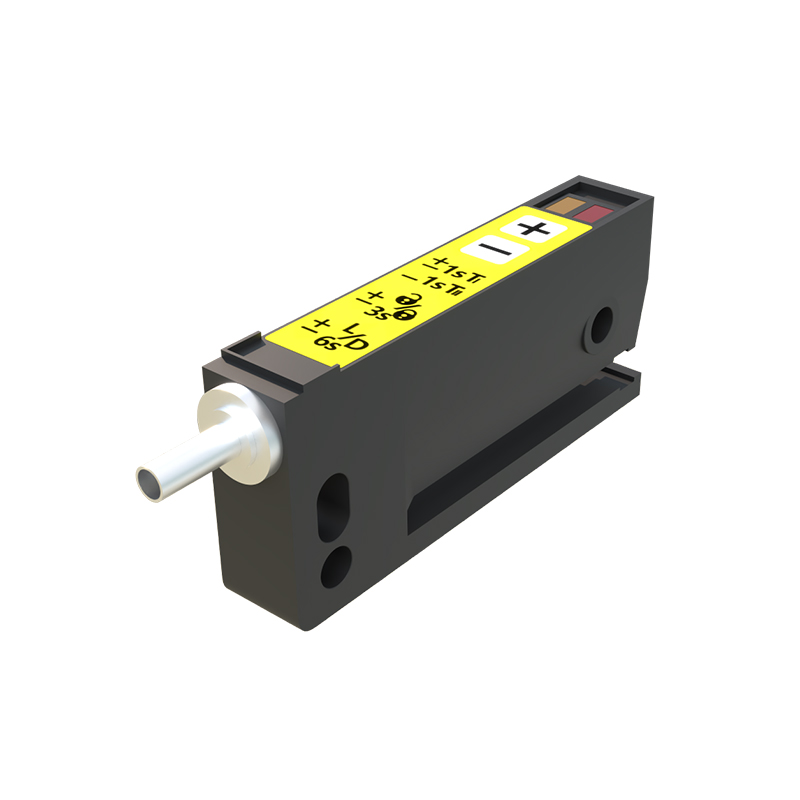
The adoption of solar-powered photoelectric sensors brings numerous advantages to industrial and automation settings. Foremost is the dramatic reduction in installation and maintenance costs. Without the need for conduit, cabling, and associated electrical infrastructure, deployment becomes faster, simpler, and more flexible. This also enhances safety by removing high-voltage wiring from certain environments. Their energy autonomy makes them perfect for applications in wide-area monitoring, agricultural automation, outdoor conveyor systems, and smart infrastructure. Furthermore, they contribute directly to corporate sustainability goals by reducing the carbon footprint associated with sensor networks. Their maintenance is primarily limited to keeping the solar panel clean and ensuring an unobstructed field of view, leading to lower lifetime costs.
Primary Industrial Applications
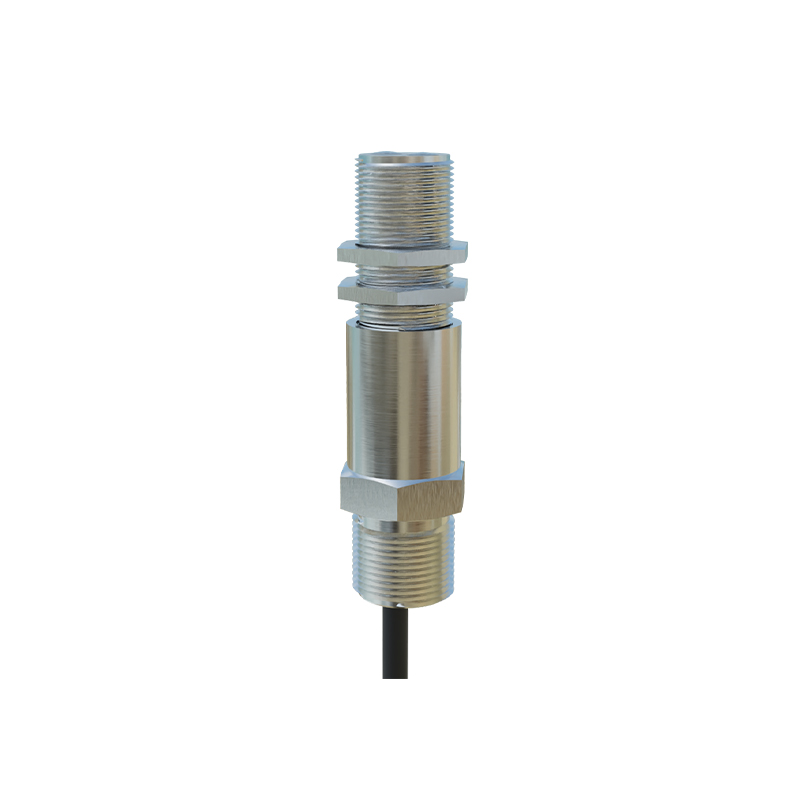
These sensors find versatile applications across numerous sectors. In material handling and logistics, they are used for object counting, jam detection on solar-powered conveyor belts, and pallet positioning in warehouses with skylights. In the automotive industry, they facilitate part presence verification in assembly lines near windows or under factory lighting. Agricultural automation employs them for monitoring equipment on solar-powered irrigation systems or detecting produce on sorting lines. They are also crucial in smart city infrastructure, such as monitoring parking space occupancy in outdoor lots, detecting vehicles at solar-powered traffic counters, or managing waste levels in solar-compacting bins. Their robustness, when properly housed, allows operation in varying weather conditions.
Critical Selection Criteria
Selecting the appropriate solar photoelectric sensor requires careful consideration of several technical parameters. Sensing range is paramount and varies significantly between detection modes. The efficiency and size of the integrated solar panel must be matched to the ambient light conditions of the installation site. The capacity of the internal energy storage determines the sensor's operational duration during darkness or low-light periods. Output type (e.g., NPN/PNP transistor, relay, analog) must be compatible with the control system. Environmental ratings for ingress protection (IP code) and temperature range are essential for durability. Additionally, factors like response time, light source type (visible red, infrared), and housing material must align with the specific application demands to ensure reliable, long-term performance.
Installation and Maintenance Best Practices
Successful implementation hinges on proper installation. The solar panel must be positioned to receive maximum daily sunlight, avoiding shadows from structures or equipment. The sensing head should be aligned precisely, free from obstructions and potential sources of optical interference like dust, steam, or highly reflective backgrounds. Regular maintenance involves periodic cleaning of the solar panel surface to prevent efficiency loss due to dirt, pollen, or debris accumulation. The lens of the transmitter and receiver should also be kept clean. It is advisable to monitor the sensor's performance log, if available, to check energy storage levels and anticipate any need for auxiliary power during prolonged cloudy periods. Following the manufacturer's guidelines for mounting and environmental limits is crucial.
Future Trends and Technological Evolution
The future of solar photoelectric sensors is intertwined with advancements in several fields. Improvements in photovoltaic cell efficiency, particularly with new materials like perovskites, will enable smaller sensors or operation in lower-light indoor environments. Integration with the Industrial Internet of Things (IIoT) is a major trend, where sensors will not only perform detection but also wirelessly transmit data and system health status (including battery level and solar yield) to centralized monitoring platforms. Enhanced energy management algorithms will optimize power usage for more complex functions. Furthermore, the development of multi-functional sensors that combine photoelectric sensing with other measurements, such as temperature or ambient light intensity, all powered by the same solar unit, is on the horizon, promising more compact and versatile automation solutions.
Conclusion and Final Considerations
Solar photoelectric sensors offer a compelling, eco-friendly solution for modern industrial automation challenges. By harnessing ambient light, they provide operational independence, reduce installation complexity, and lower the total cost of ownership. While they may have limitations in consistently dark environments, ongoing technological progress is steadily mitigating these constraints. For engineers and system integrators, they present an opportunity to design more flexible, sustainable, and cost-effective sensing networks. As industries worldwide push towards greener practices and smarter infrastructure, the role of self-powered devices like the solar photoelectric sensor is set to expand significantly, solidifying its position as a key component in the sustainable factory and smart city of the future.