Understanding Proximity Sensor Applications
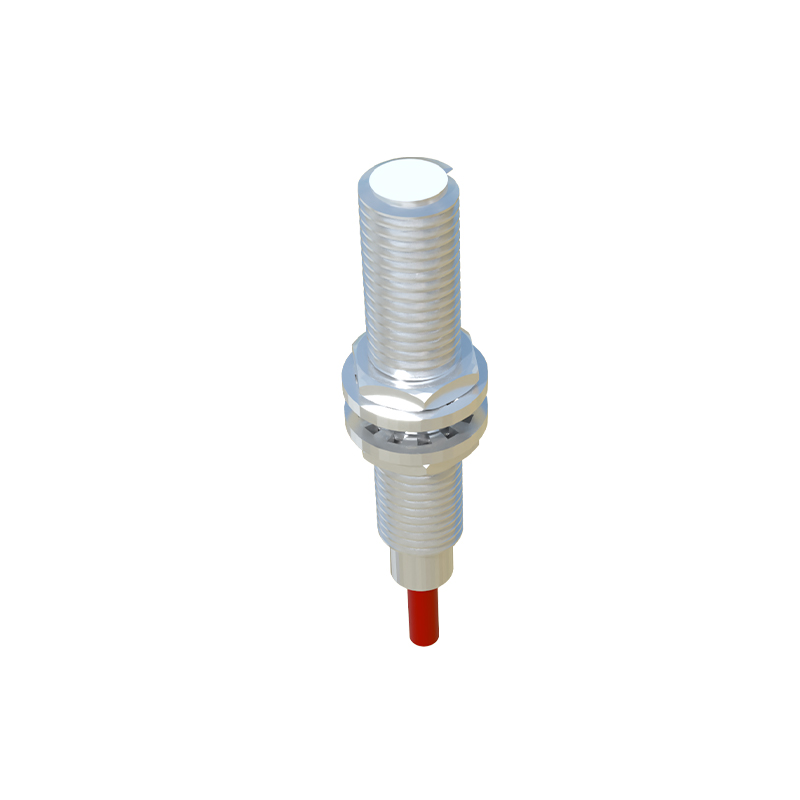
Proximity sensors are indispensable components in modern industrial automation, robotics, and consumer electronics. These non-contact devices detect the presence or absence of an object within their sensing range, triggering a control action. Common types include inductive sensors for metals, capacitive sensors for various materials, and photoelectric sensors using light beams. Their primary applications span across manufacturing assembly lines for part detection, packaging machinery for counting, automotive systems for safety, and even smartphones for screen control. The versatility and reliability of proximity sensors make them a cornerstone of efficient and safe automated processes. Selecting the correct sensor type for a specific application is the first critical step before sourcing.
Primary Channels for Sourcing Proximity Sensors
Finding a reliable source for proximity sensors involves several established channels. Direct procurement from major global manufacturers like Omron, Schneider Electric, Siemens, and Pepperl+Fuchs is a common route for large-scale industrial buyers. These companies offer extensive catalogs, technical support, and guaranteed quality. Alternatively, authorized distributors and wholesalers provide regional accessibility, faster shipping, and local inventory. For prototyping or smaller projects, reputable electronic component suppliers such as Digi-Key, Mouser Electronics, and RS Components offer vast online selections with detailed datasheets. In recent years, specialized industrial automation suppliers and B2B marketplaces have also become valuable platforms for comparing products and suppliers globally.
Key Factors in Selecting a Supplier
Choosing the right supplier goes beyond just finding a source; it's about ensuring long-term project success. Technical support is paramount. A competent supplier should offer expert advice on sensor selection, integration, and troubleshooting. Product quality and certification, such as CE, UL, or ATEX for hazardous environments, are non-negotiable for industrial safety and compliance. Evaluate the supplier's inventory depth and logistics capability to ensure consistent supply and minimize production downtime. Finally, consider the overall value, which balances cost against reliability, warranty terms, and the supplier's reputation in the industry. A supplier with a proven track record in your specific sector is often preferable.
The Role of Online Resources and Communities
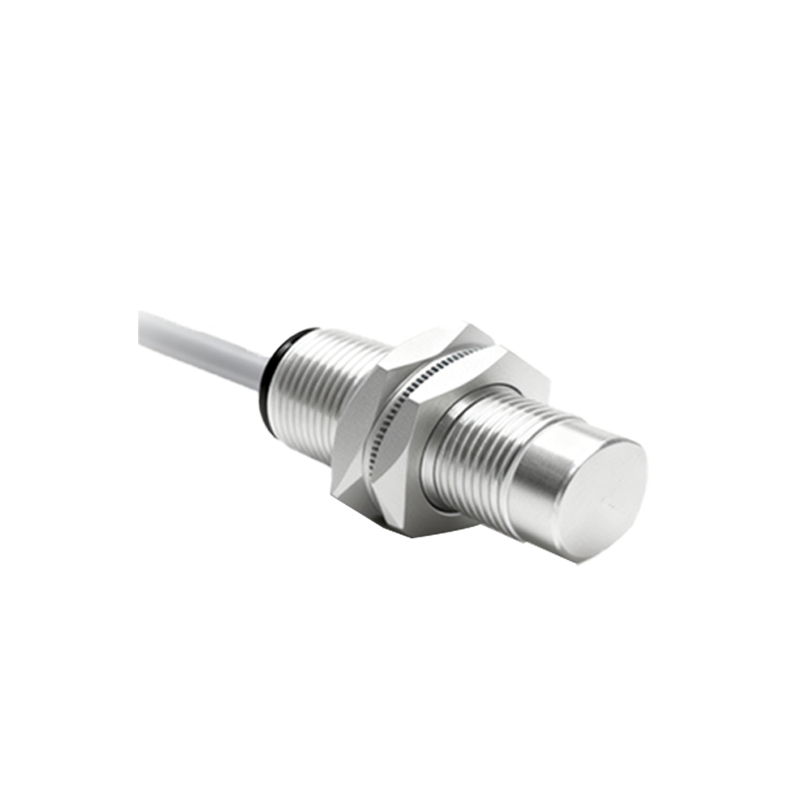
Before contacting suppliers, leveraging online resources can significantly refine your search. Manufacturer websites host comprehensive product selectors, application notes, white papers, and CAD models for design integration. Technical forums and professional communities on platforms like LinkedIn or industry-specific sites provide unbiased user experiences, recommendations, and solutions to common problems. These resources help engineers specify the exact sensor model—considering factors like sensing distance, output type (PNP/NPN), housing material (e.g., stainless steel for harsh conditions), and electrical connections—before engaging with a sales representative, leading to more efficient procurement.
Ensuring a Successful Procurement Process
A structured procurement process mitigates risk. Start by clearly defining your technical requirements and operational environment. Request samples from shortlisted suppliers to test performance in your actual application. Scrutinize datasheets for critical parameters like repeat accuracy, response frequency, and temperature ratings. Discuss pricing structures for volume orders and inquire about lead times. Establish clear communication channels for technical and logistical support. A reliable supplier will be transparent and collaborative throughout this process. Remember, the cheapest option may incur higher costs later due to failures or incompatibilities, so prioritize total cost of ownership and partnership potential.