Understanding Valve Photoelectric Sensors
Valve photoelectric sensors are critical components in modern industrial automation, providing non-contact detection of valve position, object presence, or material flow. These sensors operate by emitting a beam of light—typically infrared, red, or laser—from a transmitter. A receiver then detects this light. The fundamental principle is based on the interruption or reflection of this light beam. When an object, such as a valve stem, flag, or target, interferes with the beam, the sensor's output state changes, sending a signal to a programmable logic controller (PLC) or other control system. This signal confirms whether a valve is open, closed, or in an intermediate position, enabling precise monitoring and control within fluid handling, processing, and manufacturing systems. Their reliability and speed make them indispensable for ensuring system safety and operational efficiency.
The Importance of High-Definition Imagery
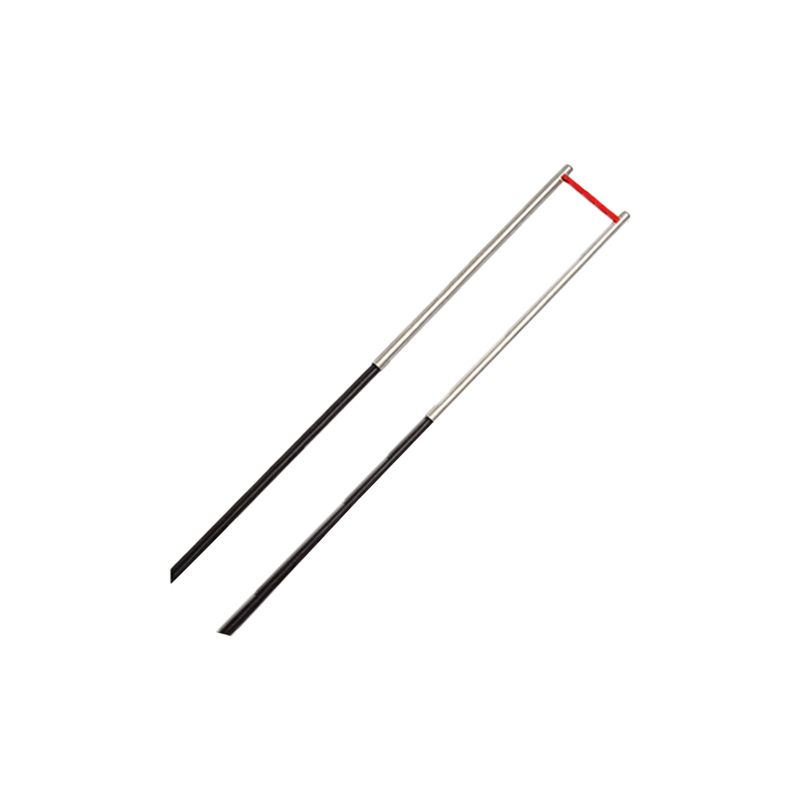
High-definition images of valve photoelectric sensors are not merely for aesthetic purposes; they serve crucial technical and practical functions. For engineers and maintenance personnel, clear, detailed photos are essential for accurate sensor identification, model verification, and understanding physical dimensions and mounting configurations. A high-resolution image can reveal critical details such as the lens type, housing material (e.g., metal or plastic), connector style, status indicator LEDs, and alignment marks. During the specification and procurement phase, HD pictures prevent errors by ensuring the selected sensor matches the mechanical and environmental requirements of the application. Furthermore, for troubleshooting and installation guidance, detailed imagery helps technicians visualize wiring diagrams, sensing ranges, and potential mounting challenges in tight or complex valve assemblies.
Key Features Visible in HD Photos
Examining a high-definition image of a valve photoelectric sensor allows for a thorough analysis of its key features. First, the sensing mode is often discernible: through-beam sensors have separate transmitter and receiver units, while retro-reflective types have a single housing designed to work with a reflector. Diffuse or proximity sensors are self-contained. The housing shape and size, visible in detail, indicate its IP (Ingress Protection) rating suitability for harsh environments—whether it's waterproof, dust-tight, or resistant to chemicals. The light source type might be indicated by color or labeling. Connector types (e.g., M8, M12) or cable outlets are clearly visible, which is vital for compatibility with existing infrastructure. Alignment indicators and adjustment screws for sensitivity or timing can also be seen, which are critical for precise setup and calibration.
Applications in Valve Monitoring Systems
The primary application of these sensors is in valve position feedback. In a typical setup, a target flag is attached to the valve stem or actuator. As the valve rotates or moves linearly, this flag passes through the sensor's beam. High-definition system images show how the sensor is mounted relative to the valve, the clearance required, and the flag's design. This is crucial for both limit switch detection (open/closed) and continuous position monitoring in proportional valves. Beyond simple position, they are used to detect the presence of a valve in an assembly line, verify if a manual valve has been operated, or monitor the level of material in a hopper that uses a dump valve. Clear imagery of these installed applications provides a valuable reference for system integrators designing new lines or upgrading existing ones.
Technical Specifications and Image Analysis
A high-quality image often accompanies or complements the sensor's datasheet. Key specifications that can be inferred or confirmed through visual analysis include the sensing distance, which correlates with the lens design and housing shape. The type of output (e.g., PNP, NPN, analog, or IO-Link) might be indicated by labeling on the housing. The operating voltage range (10-30V DC) is typically stamped on the unit. Furthermore, images can show optional features like built-in timers, teach-in functionality buttons, or synchronization capabilities for multiple sensors to avoid crosstalk. For engineers, comparing HD images of different models side-by-side facilitates a better understanding of the trade-offs between size, sensing range, and feature set, leading to more informed selection decisions.
Best Practices for Sourcing and Using HD Images
When sourcing valve photoelectric sensors, insist on accessing high-definition images from manufacturer catalogs, reputable distributor websites, or technical databases. Look for multiple angles (front, side, rear), images with a scale (like a ruler), and application-specific installation photos. Avoid low-resolution or generic stock images. For internal documentation, it is a best practice to take high-resolution photos of installed sensors, noting part numbers and wiring connections. These images become invaluable assets for future maintenance, training new staff, and creating accurate system documentation. Always ensure that the image clearly shows any unique identifying marks, serial numbers, or certification labels (e.g., ATEX, UL) that are critical for compliance and safety in regulated industries.
Future Trends and Imaging Technology
The future of valve photoelectric sensor imagery is intertwined with digitalization. We are moving towards interactive 3D models and augmented reality (AR) overlays that can be accessed via tablet or smart glasses. Instead of a static 2D HD photo, a technician could view a 3D model of the sensor, rotate it, and see an AR guide for installation directly on the valve in front of them. Furthermore, sensors with integrated IO-Link communication can provide digital twins, where not only the physical image is available but also a live data image of its performance, health status, and configuration parameters. High-definition visual data, combined with digital intelligence, will further enhance the precision, reliability, and ease of use of valve monitoring systems across all industrial sectors.