Introduction to Metal Proximity Sensors
Metal proximity sensors operating at 220V AC are fundamental components in modern industrial automation. These non-contact sensing devices are engineered to detect the presence or absence of metallic objects without any physical contact. The 220V AC power specification makes them directly compatible with standard industrial power mains prevalent in many regions, eliminating the need for additional power conversion equipment. Their primary function is to provide a reliable electrical signal when a metallic target enters their sensing field. This capability is crucial for tasks such as counting, positioning, end-of-travel detection, and safety interlocking in machinery. The robustness of a 220V design allows for longer cable runs and integration into control panels with minimal signal degradation, making them a preferred choice for harsh factory environments.
Operating Principle and Sensing Technology
The core technology behind most 220V metal proximity sensors is the inductive sensing principle. The sensor contains an oscillator circuit that generates a high-frequency electromagnetic field at its active face. When a metallic object, such as steel, aluminum, or copper, enters this field, eddy currents are induced on the surface of the target. These eddy currents draw energy from the oscillator, causing a change in its amplitude. An internal detection circuit monitors this change. Once the amplitude shift exceeds a predefined threshold, the sensor's solid-state output switch is activated. For a 220V AC sensor, this output typically switches the AC line voltage directly, allowing it to control contactors, solenoid valves, or pilot lights. The sensing distance, or "switching distance," is standardized and depends on the sensor's size and the target material.
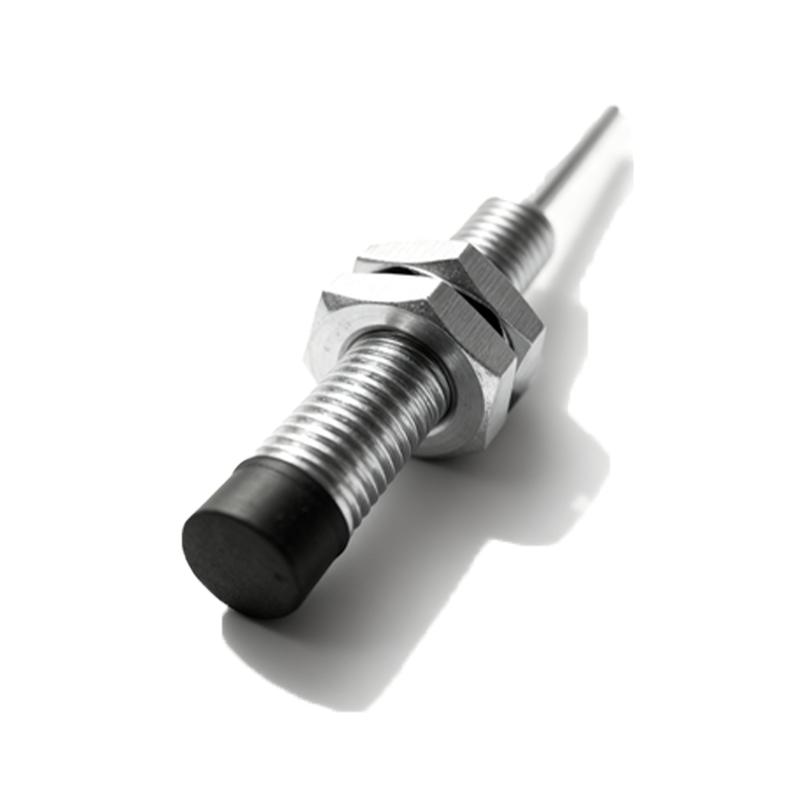
Key Features and Technical Specifications
When selecting a 220V AC metal proximity sensor, several key specifications must be considered. The operating voltage range is typically 20-250V AC, ensuring stable performance despite line voltage fluctuations. The output type is usually a normally open (NO) or normally closed (NC) configuration, with a switching current capacity (e.g., 200mA to 500mA) that defines the load it can drive directly. The housing material, often nickel-plated brass, stainless steel, or PBT plastic, determines its resistance to chemicals, oils, and physical impact. Protection ratings are critical; an IP67 rating signifies complete protection against dust and temporary immersion in water. Additionally, features like short-circuit protection, overload protection, and an LED status indicator are standard in quality models. The temperature operating range, commonly from -25°C to +70°C, ensures functionality in diverse environmental conditions.
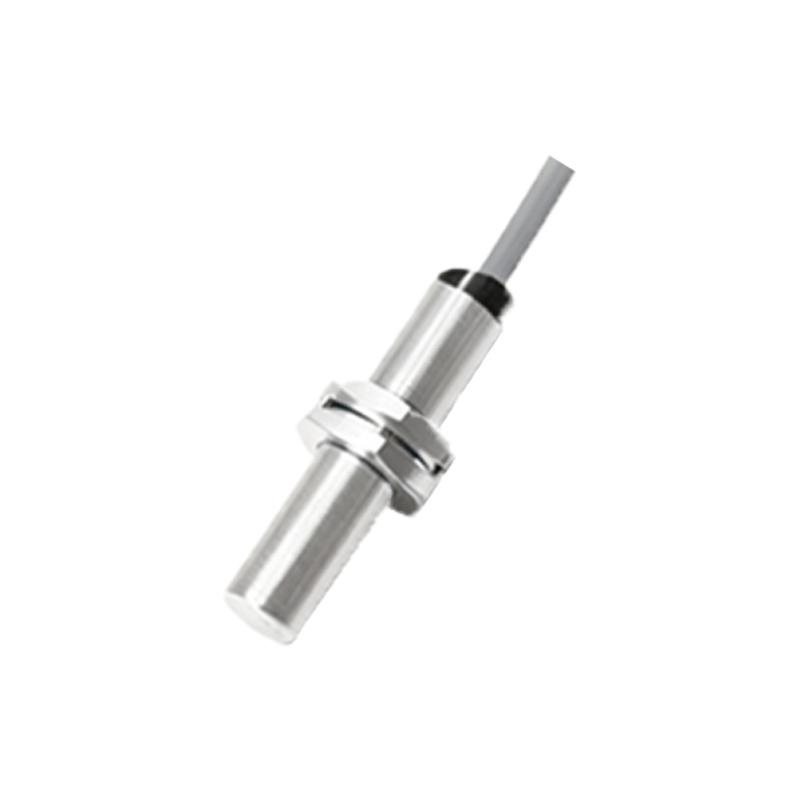
Installation and Wiring Considerations
Proper installation is paramount for reliable operation. The sensor must be mounted securely to minimize vibration, which can cause false triggering. A metallic mounting surface can reduce the effective sensing distance; non-metallic brackets are recommended. Maintaining the correct nominal sensing distance (Sn) is crucial, and a safety margin should be allowed for wear and target positioning tolerances. Wiring a 220V AC two-wire sensor is straightforward: one wire connects to the live (phase) conductor, and the other wire connects to the load, which then returns to the neutral. It is essential to observe correct polarity as indicated on the sensor's label. For three-wire versions, separate wires are provided for power (L1/L+), load, and common (N/L-). Always adhere to local electrical codes, disconnect power before installation, and use conduit or cable glands for strain relief and environmental protection.
Common Applications in Industrial Systems
The applications for 220V metal proximity sensors are vast across manufacturing and processing industries. In conveyor systems, they detect metal parts for sorting, counting, and verifying presence before a machining operation. On machine tools, they serve as limit switches to define the travel of a slide or spindle, preventing over-travel damage. In automated assembly lines, they confirm the correct positioning of metal components like engine blocks or frames. They are also integral to safety systems, acting as interlock switches on guards and doors to ensure machinery cannot operate when access doors are open. Their non-contact nature makes them ideal for high-speed counting applications where mechanical switches would wear out quickly, such as monitoring production rates of metal cans or bottles with metal caps.
Troubleshooting and Maintenance Practices
Despite their durability, sensors can encounter issues. Common problems include failure to detect targets, constant activation, or intermittent operation. Initial troubleshooting should always involve checking the power supply with a multimeter to confirm 220V AC is present. Verify that the target material is ferrous (for standard sensors) and within the specified sensing range. Inspect the sensor face for buildup of dirt, metal chips, or paint, which can insulate the target and reduce sensing distance