Understanding 220V Photoelectric Sensors
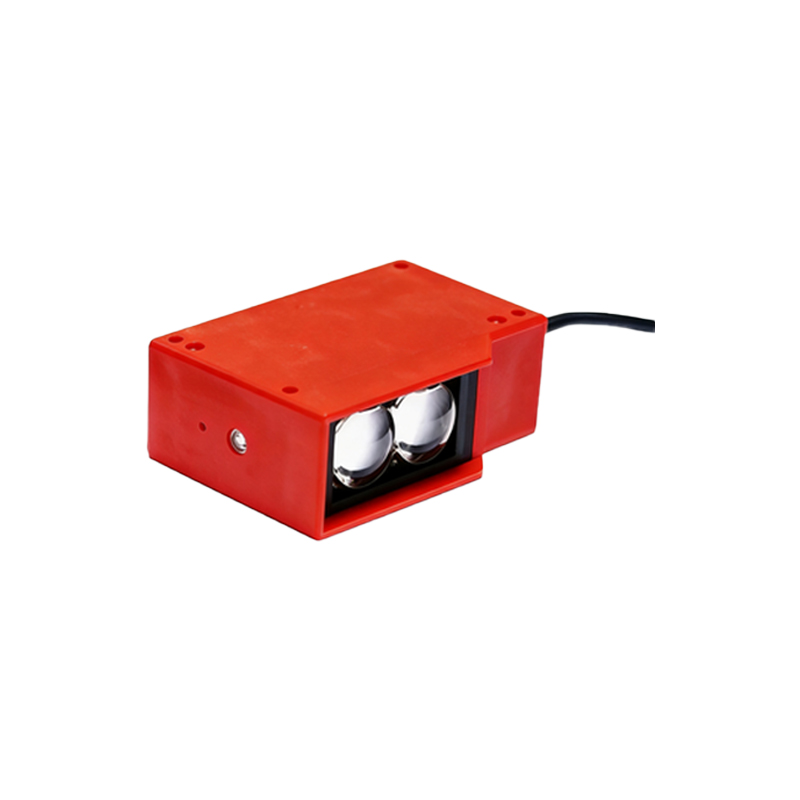
In the realm of industrial automation, 220V photoelectric sensors stand as critical components for object detection, positioning, and quality control. Operating on a standard industrial voltage, these sensors eliminate the need for additional power converters, simplifying system design and integration. They function by emitting a beam of light—visible red, infrared, or laser—and detecting changes in the received light signal caused by the presence or absence of a target object. The 220V AC power supply makes them directly compatible with many factory floor installations, offering robustness and reliability in demanding environments. Their primary advantage lies in their ability to perform non-contact sensing over considerable distances, from a few centimeters up to several meters, depending on the model and sensing mode.
Key Selection Criteria for Your Application
Choosing the right 220V photoelectric sensor requires careful analysis of your specific needs. First, consider the sensing mode: through-beam, retro-reflective, diffuse, or background suppression. Through-beam models offer the longest sensing range and highest reliability but require separate emitter and receiver units. Retro-reflective types use a reflector and are easier to align. Diffuse sensors detect objects by reflecting light directly off the target, ideal for varied surfaces. For detecting objects against a similar background, background suppression (BGS) models are superior. Next, evaluate the sensing range, response time, and the physical characteristics of the target object (size, color, material). The housing material, typically metal or high-grade plastic, must withstand environmental factors like dust, moisture (IP rating), and mechanical impact. Output type (relay, NPN/PNP transistor) and connection method (pre-wired cable or quick-disconnect) are also crucial for integration.
Top Recommended Models and Brands
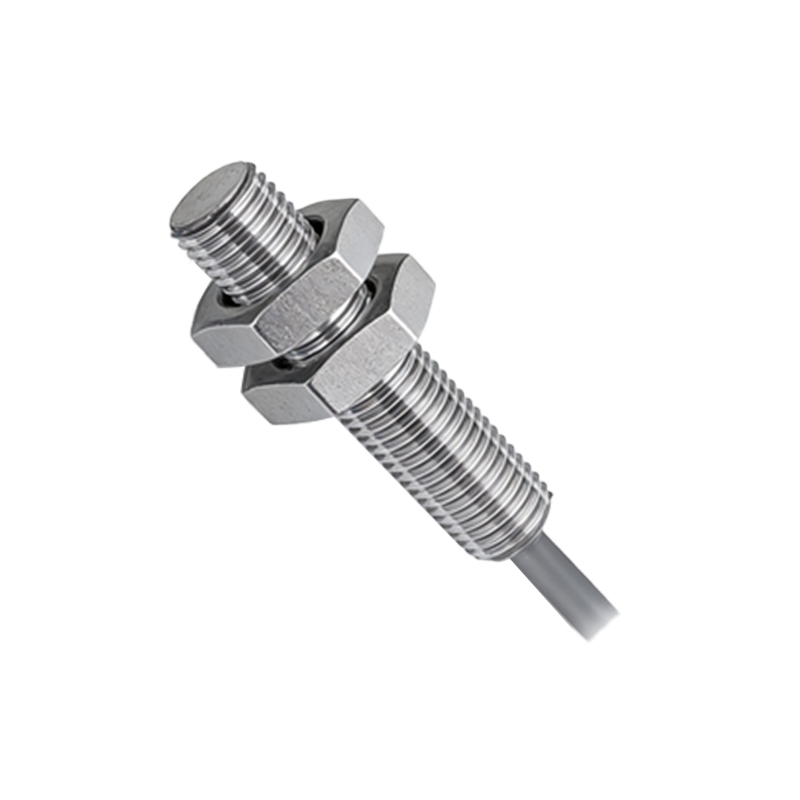
Several industry-leading manufacturers produce exceptional 220V photoelectric sensors. Omron's E3S-AD series is renowned for its advanced background suppression technology and robust metal housing, perfect for precise detection in packaging and material handling. Sick's WL12-2 series offers exceptional performance in through-beam and retro-reflective modes with high immunity to ambient light, suitable for harsh outdoor or high-glare environments. For versatile, cost-effective diffuse sensing, the Banner WLB24F series provides reliable performance with easy setup and a wide range of sensing adjustments. Pepperl+Fuchs' ML100 series is another excellent choice, known for its high switching frequency and compact design, ideal for high-speed counting and sorting applications. Always consult the latest datasheets and application engineers from these brands to match the exact model to your operational parameters.
Installation and Alignment Best Practices
Proper installation is paramount for optimal sensor performance. Begin by ensuring the power is completely disconnected. Mount the sensor securely using appropriate brackets to minimize vibration, which can cause false triggers. For through-beam sensors, precise alignment of the emitter and receiver is critical; use alignment tools or indicators provided by the manufacturer. For retro-reflective types, ensure the reflector is clean and correctly angled. When installing diffuse sensors, account for the color and reflectivity of the target; darker objects may require a reduced sensing distance. Always maintain a clean lens free from dust, oil, or debris. Allow for a stable power supply, as voltage fluctuations can affect sensitivity. After wiring according to the manual, perform a thorough test with the actual target objects under normal operating conditions to fine-tune the sensitivity potentiometer.
Common Troubleshooting and Maintenance
Even high-quality sensors may encounter issues. A frequent problem is false triggering or failure to detect. This can stem from environmental interference like strong ambient light, dust, or steam. Using sensors with modulated light or specific protective housings can mitigate this. Check for misalignment, dirty lenses, or reflectors. If the sensor does not power on, verify the 220V supply and correct wiring. A constantly activated output might indicate that the sensitivity is set too high or the sensing field is obstructed. Regular maintenance involves periodic cleaning of optical surfaces, checking for loose connections, and verifying mechanical stability. Keeping a log of operating conditions and any adjustments made can be invaluable for diagnosing recurring issues. Most modern sensors feature LED status indicators that provide immediate visual feedback on power and output state, aiding in quick diagnostics.
Future Trends and Technological Advancements
The future of 220V photoelectric sensors is intertwined with Industry 4.0 and smart manufacturing. We are seeing a trend towards sensors with integrated IO-Link communication, which allows for remote parameter setting, advanced diagnostics, and process data monitoring directly from the control system. This enables predictive maintenance, reducing downtime. Enhanced laser models are providing even higher precision for micro-part detection. Furthermore, designs are becoming more robust with higher IP69K ratings for extreme washdown environments in food and pharmaceutical industries. The integration of multi-functional capabilities, such as measuring distance or contrast in addition to simple detection, is also on the rise. While maintaining the reliable 220V AC interface, these intelligent sensors are becoming pivotal data points within the connected factory ecosystem.