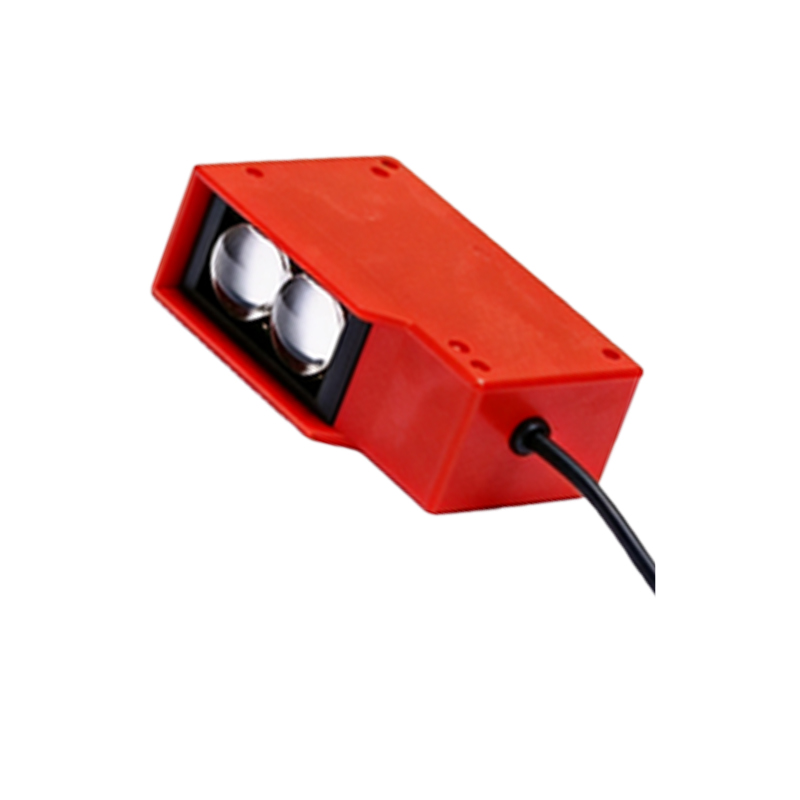
Understanding Photoelectric Sensor Value
The market for recycling industrial photoelectric sensors is driven by several key factors that determine their residual value. Unlike consumer electronics, the worth of a used photoelectric sensor is not primarily based on age, but on its functional condition, technological generation, and brand reputation. High-end models from leading manufacturers like Sick, Omron, Keyence, or Banner Engineering often retain significant value due to their robust construction, precision, and the high cost of their new counterparts. The core components, including the emitter (usually an LED or laser diode), the receiver (phototransistor or photodiode), and the signal processing circuitry, are assessed for integrity. Sensors with rare or specialized functionalities, such as background suppression, color recognition, or long-range detection, can command higher recycling prices. The housing material and ingress protection (IP) rating also contribute, as sensors designed for harsh environments are built to last.
Factors Influencing Recycling Price
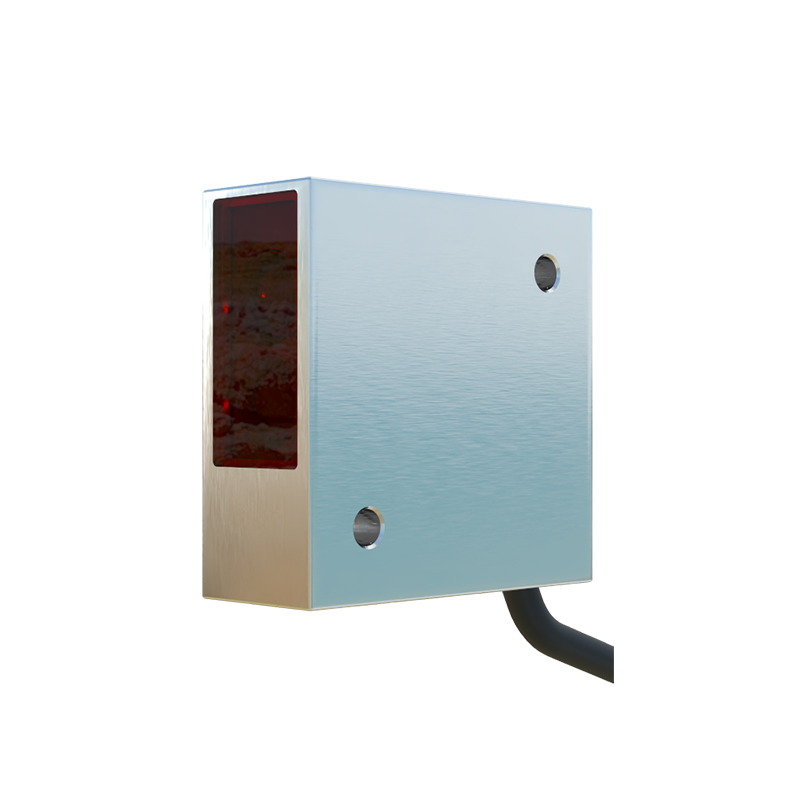
A detailed price evaluation hinges on a multi-point inspection. First and foremost is operational status. A fully functional, calibrated sensor is worth substantially more than a defective one, even if the latter has salvageable parts. The specific model number and series are critical; discontinued models might be valuable for maintenance of legacy systems, while current models are sought for cost-effective replacements. Physical condition is paramount—cracks in the lens, damaged housing, or corroded connectors drastically reduce value. The type of sensor (through-beam, retro-reflective, diffuse) and its output configuration (PNP/NPN, analog, IO-Link) affect its applicability and thus its market demand. Packaging, including original mounting brackets and cables, can add a premium. Finally, market volatility for raw materials like copper, gold, and rare earth elements within the components can influence bulk recycling quotes.
Typical Price Ranges and Models
Providing exact figures is challenging due to market fluctuations, but general price brackets can be established. Common, standard diffuse sensors from major brands in working condition may fetch between $20 to $80 USD per unit on the secondary or refurbishment market. More sophisticated through-beam or retro-reflective sensors, especially those with longer ranges or specialized light sources, can range from $50 to $200. High-precision, safety-rated, or vision-based photoelectric sensors represent the top tier, with recycling or resale values potentially reaching several hundred dollars each. For non-functional sensors sold strictly for parts or precious metal recovery, the value plummets, often calculated by weight at a rate of a few dollars per pound, depending on the internal composition. It is always advisable to obtain quotes from multiple specialized recyclers.