Understanding Proximity Sensor Bulk Customization
In the realm of industrial automation and machine design, proximity sensors are ubiquitous components, silently enabling countless operations from object detection to position verification. Bulk customization, a term gaining significant traction, refers to the process of ordering large quantities of proximity sensors that are tailored to specific, non-standard requirements. It is not merely about purchasing high volumes of an off-the-shelf product. Instead, it represents a collaborative engineering partnership between the manufacturer and the client to develop sensor solutions that precisely fit unique application challenges. This approach moves beyond standard catalog selections, delving into modifications in sensing range, housing material, output type, electrical connections, and even environmental sealing to meet exact operational demands.
The Core Components of a Custom Order
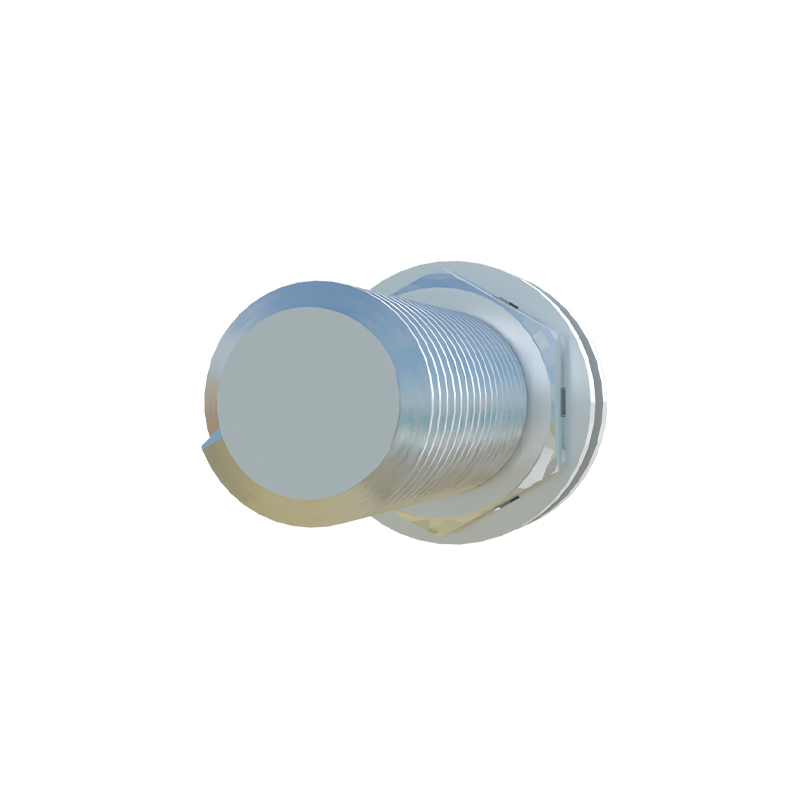
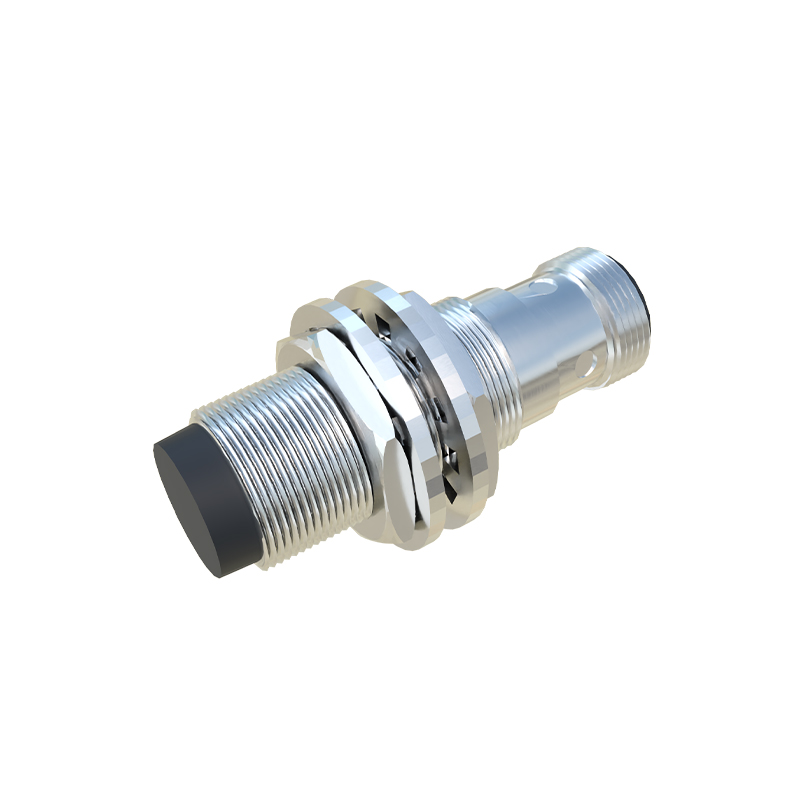
A bulk customization project typically involves several key engineering parameters. First is the sensing technology itself, whether inductive, capacitive, ultrasonic, or photoelectric, chosen based on the target material and detection environment. Next, the physical design is critical: this includes the housing shape, size, and material (such as stainless steel for harsh environments or PBT for cost-effective durability). Electrical specifications are paramount, covering operating voltage, output configuration (PNP/NPN, analog, IO-Link), and cable/connector type. Finally, performance characteristics like switching frequency, repeat accuracy, and temperature range are fine-tuned. The "bulk" aspect ensures that these custom-engineered features are produced at a scale that offers economic viability, leveraging manufacturing efficiencies while achieving a perfect fit for the client's production line.
Driving Forces Behind the Demand for Customization
The push towards bulk customization stems from the evolving complexity of industrial applications. Standard sensors often fall short in specialized scenarios such as extreme temperatures, high-pressure washdowns, exposure to corrosive chemicals, or applications requiring miniature form factors. Original Equipment Manufacturers (OEMs) seek to differentiate their machinery with reliable, integrated sensing solutions that enhance performance and reduce assembly time. Furthermore, standardization of a custom sensor across a global production fleet ensures consistency, simplifies maintenance, and reduces inventory complexity. In essence, customization is driven by the need for optimized performance, enhanced reliability, and total cost of ownership reduction, rather than just the initial unit price.
The Collaborative Process from Concept to Delivery
Initiating a bulk customization order is a structured, phased process. It begins with a detailed application review, where engineers from both sides analyze the technical requirements and environmental constraints. This is followed by a prototyping phase, where initial design samples are built and tested in real or simulated conditions. Feedback from this stage is incorporated into the final design. Once approved, the manufacturing plan is scaled for bulk production, with rigorous quality control protocols applied to every batch. Throughout this journey, effective communication is crucial to ensure the final product not only meets the printed specifications but also performs seamlessly in the intended application, delivering long-term value.
Economic and Operational Advantages
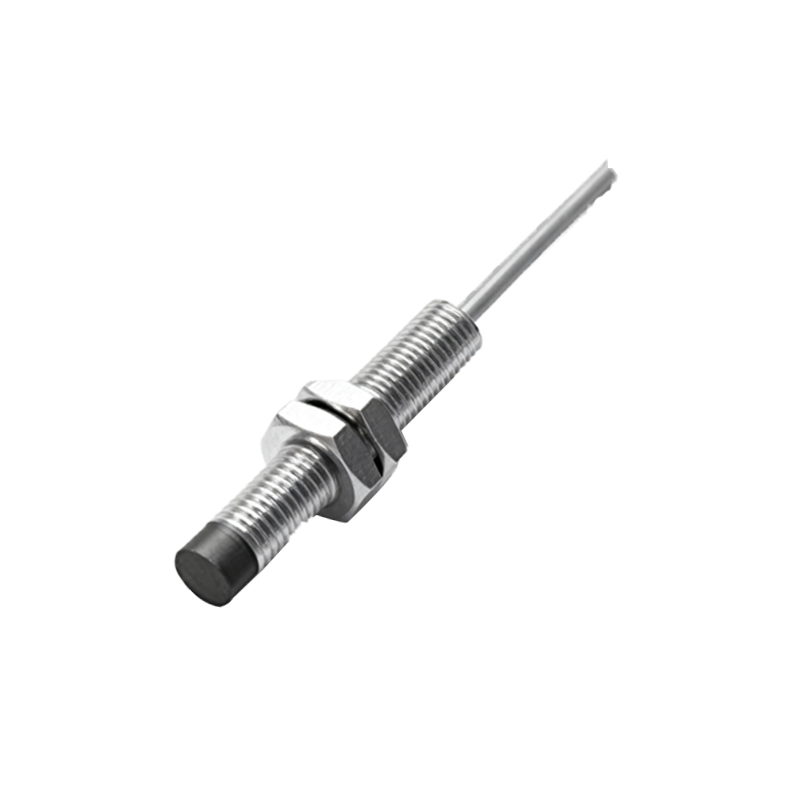
While the upfront unit cost of a custom sensor may be higher than a standard one, the total lifecycle benefits are substantial. Custom sensors minimize installation time and eliminate the need for mounting brackets or adapters, reducing labor costs. Their optimized performance leads to fewer false triggers and downtime, directly boosting production efficiency and Overall Equipment Effectiveness (OEE). By designing in specific durability features, maintenance intervals are extended, and replacement costs are lowered. For large-volume buyers, the economies of scale in bulk manufacturing make this tailored approach cost-competitive, turning a component into a strategic asset that enhances the entire system's robustness and productivity.
Selecting the Right Manufacturing Partner
The success of a bulk customization project hinges on choosing a capable and experienced sensor manufacturer. Key criteria include proven expertise in sensor design and application engineering, a flexible and scalable production facility, and a robust quality management system (e.g., ISO 9001). The partner should have a track record of managing similar projects from concept to volume delivery. Their ability to provide comprehensive technical support, detailed documentation, and reliable supply chain logistics is as important as their technical prowess. A true partner acts as an extension of your engineering team, ensuring that the customized proximity sensors become a reliable, invisible force within your operations.