Introduction to Photoelectric Sensor Evolution
The landscape of industrial automation has been fundamentally reshaped by the continuous evolution of photoelectric sensor technology. These devices, which detect the presence, absence, or distance of objects using a light transmitter and receiver, have transitioned from simple on/off switches to sophisticated, intelligent components of the Industrial Internet of Things (IIoT). The core principle remains the modulation of light—be it visible, infrared, or laser—and the interpretation of the received signal. However, the past decade has witnessed a paradigm shift, driven by demands for higher precision, greater reliability in harsh environments, seamless connectivity, and miniaturization. This progression is not merely incremental; it represents a convergence of optics, materials science, and digital signal processing, enabling sensors to perform complex tasks that were previously unattainable. The modern photoelectric sensor is now a critical data acquisition node, feeding real-time information into larger control and analytics systems, thereby enhancing efficiency, safety, and predictive maintenance capabilities across countless sectors.
Breakthroughs in Sensing Range and Resolution
A primary area of intense research and development has been the extension of effective sensing ranges and the improvement of spatial resolution. Traditional diffuse sensors faced limitations in range and susceptibility to object color and surface finish. Recent advancements in laser diode technology and advanced optics have led to the proliferation of high-performance background suppression sensors and time-of-flight (ToF) sensors. ToF sensors, in particular, measure the time it takes for a light pulse to travel to a target and back, enabling precise distance measurement over several meters with millimeter-level accuracy. Furthermore, the integration of CMOS imaging sensors has given rise to photoelectric sensors with vision-like capabilities. These devices can not only detect presence but also perform basic shape recognition, size verification, and orientation checks, blurring the lines between simple sensors and compact vision systems. This enhanced resolution allows for more nuanced inspection tasks on high-speed production lines, such as verifying component placement on printed circuit boards or detecting minute flaws in packaging.
Enhanced Robustness and Environmental Immunity
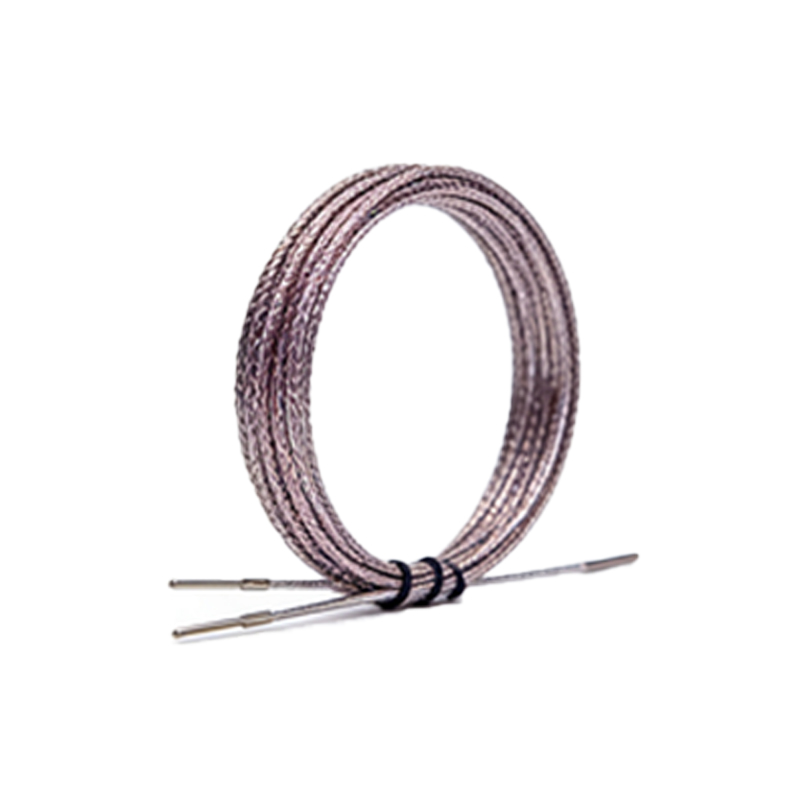
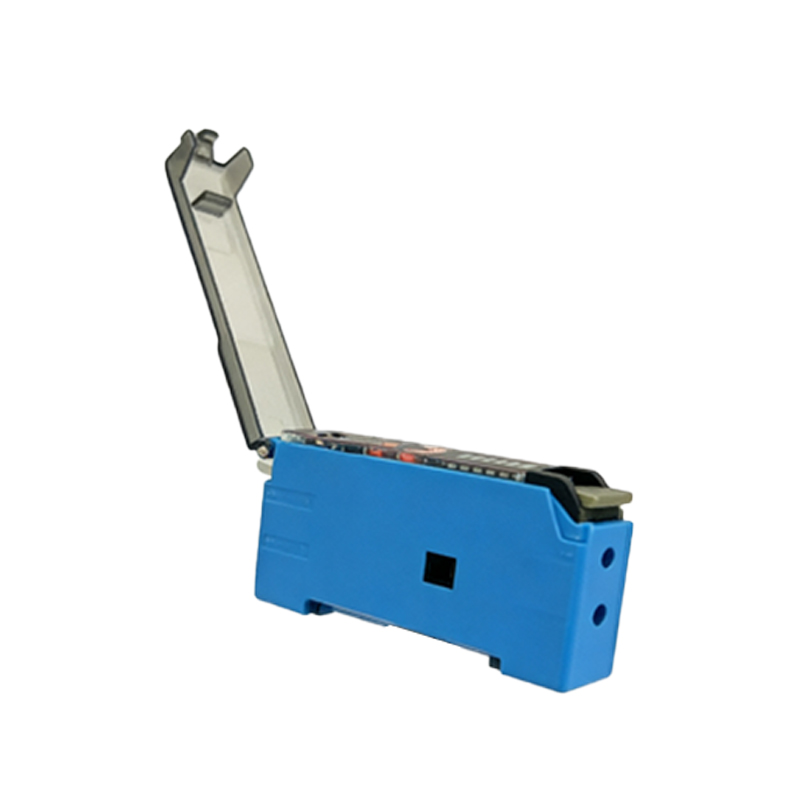
Industrial environments are notoriously challenging, presenting obstacles like airborne dust, oil mist, intense ambient light, and temperature extremes. Sensor robustness is therefore non-negotiable. Significant progress has been made in developing sensors with exceptional environmental immunity. This includes the use of specialized optical filters to reject specific wavelengths of ambient light (e.g., from welding arcs or furnaces), the implementation of robust modulation techniques to distinguish the sensor's own light signal from background noise, and the design of housings with high Ingress Protection (IP) ratings. New materials for lenses and windows, such as scratch-resistant polymers and coatings that repel water and oil, have extended operational life and reduced maintenance. Additionally, the development of fiber-optic photoelectric sensors has been crucial for applications in extremely confined spaces, high-temperature zones, or areas with high electromagnetic interference, as the sensitive electronics can be remotely located from the sensing point.
The Integration of Smart Features and IO-Link
The concept of the "smart sensor" has become a reality in photoelectric technology. Modern sensors are equipped with microprocessors and embedded software, moving beyond basic functionality to offer advanced features. These include automated teach-in functions for simplified setup, adjustable sensing parameters via software, and built-in diagnostics that monitor lens contamination, LED performance, and alignment status. The most transformative development in connectivity is the widespread adoption of the IO-Link communication protocol. IO-Link turns a standard digital sensor into a bi-directional communication point. It allows for the remote configuration and parameterization of sensors from a central controller, the continuous transmission of detailed process and diagnostic data, and the storage of device-specific information (like model and serial number) for simplified asset management. This digital transformation enables predictive maintenance, as trends in signal strength or internal temperature can forewarn of impending failures, minimizing unplanned downtime.
Emerging Applications and Future Trajectories
The advancements in photoelectric sensors are unlocking novel applications. In mobile robotics and automated guided vehicles (AGVs), compact ToF sensors are essential for navigation, obstacle detection, and safety perimeter monitoring. In the logistics sector, high-speed, high-resolution sensors enable precise parcel dimensioning and sortation. The food and pharmaceutical industries benefit from sensors with hygienic designs and high-pressure washdown capabilities for clean-in-place processes. Looking forward, research is focused on several key frontiers. The miniaturization trend will continue, enabling integration into ever-smaller consumer electronics and medical devices. Further integration with artificial intelligence at the edge will allow sensors to make preliminary decisions locally, reducing latency and network load. Finally, the development of novel light sources and detection materials promises even greater sensitivity and the ability to operate in new spectral ranges, potentially opening doors to applications in chemical analysis and environmental monitoring directly on the factory floor.