Introduction to Contact Surface Dynamics
The contact surface of a proximity switch sensor, often referred to as the sensing face or active surface, is the critical interface between the sensor and its target. Unlike mechanical switches, proximity sensors detect objects without physical contact, relying on electromagnetic fields, capacitance, or light. The performance, reliability, and longevity of the sensor are intrinsically tied to the condition, material, and orientation of this surface. Even minor contamination, damage, or improper mounting can lead to false triggers, reduced sensing ranges, or complete failure. Understanding the factors that influence this interface is paramount for engineers designing automated systems, machinery safety interlocks, and precision positioning applications. This article delves into the essential considerations for maintaining and optimizing the sensor's contact surface.
Material Composition and Sensing Technology
The material of the contact surface is dictated by the underlying sensing technology. Inductive proximity sensors, used for detecting metals, typically feature a front plate made of a wear-resistant material like PTFE (Teflon) or a robust polymer that protects the internal coil. The electromagnetic field penetrates this material. For capacitive sensors, which detect both metallic and non-metallic objects, the sensing face is often the exposed conductive plate itself or is coated with a dielectric material. Ultrasonic and photoelectric sensors have windows made of specific plastics or glass designed to transmit sound waves or light with minimal attenuation. Choosing a sensor with a face material compatible with the environment—resistant to chemicals, oils, UV light, or physical abrasion—is the first step in ensuring durability.
Mounting and Flush vs. Non-Flux Mounting
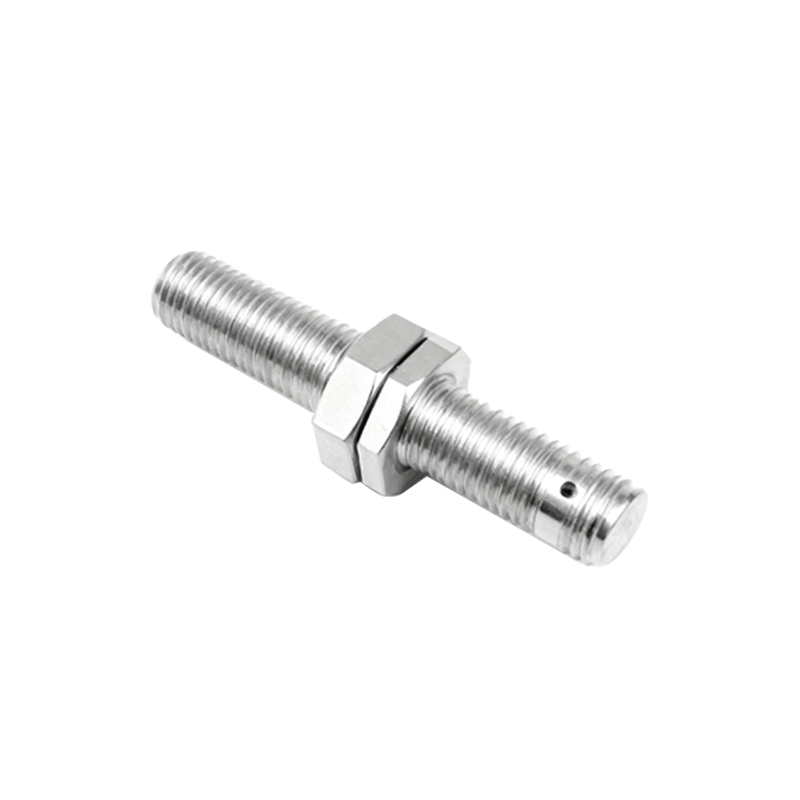
Proper installation is crucial. A primary consideration is whether the sensor is designed for flush or non-flush (unshielded) mounting. Flush-mountable sensors can be embedded in metal without affecting their sensing range, as their magnetic field is concentrated at the front. Their contact surface is designed to be level with the mounting surface. Non-flush sensors have a more extended lateral field, offering a longer range but requiring clearance from surrounding metal. Incorrect mounting can cause the sensor to detect the mounting bracket instead of the intended target, a phenomenon known as side-sensing. Ensuring the contact surface is unobstructed and correctly positioned relative to the target's approach path is fundamental for consistent operation.
Surface Contamination and Protection Methods
Industrial environments are harsh. Dust, metal chips, coolant, oil, and paint can accumulate on the sensor's face. For inductive sensors, a thin layer of non-conductive material like dust or oil usually has little effect, but thick buildup can reduce the effective sensing distance. Conductive contaminants like metal shavings can cause permanent activation. For optical sensors, any contamination on the lens severely degrades performance. Protective measures are often necessary. These include choosing sensors with higher IP (Ingress Protection) ratings, installing protective baffles or shrouds, using sensors with built-in air blow ports to keep the face clean, or applying thin, compatible protective films. Regular inspection and cleaning according to manufacturer guidelines are essential maintenance practices.
Target Characteristics and Effective Sensing
The target object itself is part of the contact surface equation. For inductive sensors, the target material's conductivity and permeability affect the sensing distance. Mild steel provides the standard reference; stainless steel and aluminum reduce the effective range. The target size must also be sufficient to reliably interrupt or influence the sensor's field; a rule of thumb is that the target should be at least equal to the sensor's face diameter. The approach should be straight-on to the center of the contact surface. Angular approaches or using small, curved targets can diminish reliability. Engineers must specify the correct sensor type and size based on the smallest expected target and the required installation geometry to guarantee repeatable detection.
Mechanical Stress and Environmental Factors
The contact surface is vulnerable to mechanical damage. Impacts from misaligned parts, excessive vibration, or scraping can crack lenses, dent metal housings, or delaminate protective coatings. Sensors should be positioned outside the direct path of potential collisions. Vibration-resistant models with robust housing materials (e.g., stainless steel) are available for demanding applications. Environmental factors like temperature extremes can also affect the surface. High temperatures can soften plastics or degrade seals, while extreme cold can make materials brittle. Thermal cycling can cause condensation to form on optical lenses inside the housing. Selecting sensors with appropriate temperature ratings and, if needed, external cooling or heating, protects the integrity of the sensing interface.
Electrical Interference and Shielding
While not a physical aspect of the surface, electrical noise can effectively "pollute" the sensor's operational field. Welding equipment, motors, and variable frequency drives can generate electromagnetic interference (