Introduction to Proximity Switch Measuring Sensors
Proximity switch measuring sensors, often referred to as proximity sensors or distance measurement sensors, are critical components in modern industrial automation and control systems. These devices detect the presence or absence of objects without physical contact, utilizing technologies such as inductive, capacitive, ultrasonic, or photoelectric principles. In applications like length measurement, commonly known as "metering" or "measuring length," these sensors play a pivotal role in ensuring precision and efficiency. They are widely used in manufacturing lines, packaging machinery, textile industries, and paper processing, where accurate length measurement is essential for quality control and operational consistency. By converting detected object positions into electrical signals, proximity sensors enable real-time monitoring and adjustment, reducing manual intervention and minimizing errors.
Key Functions in Length Measurement
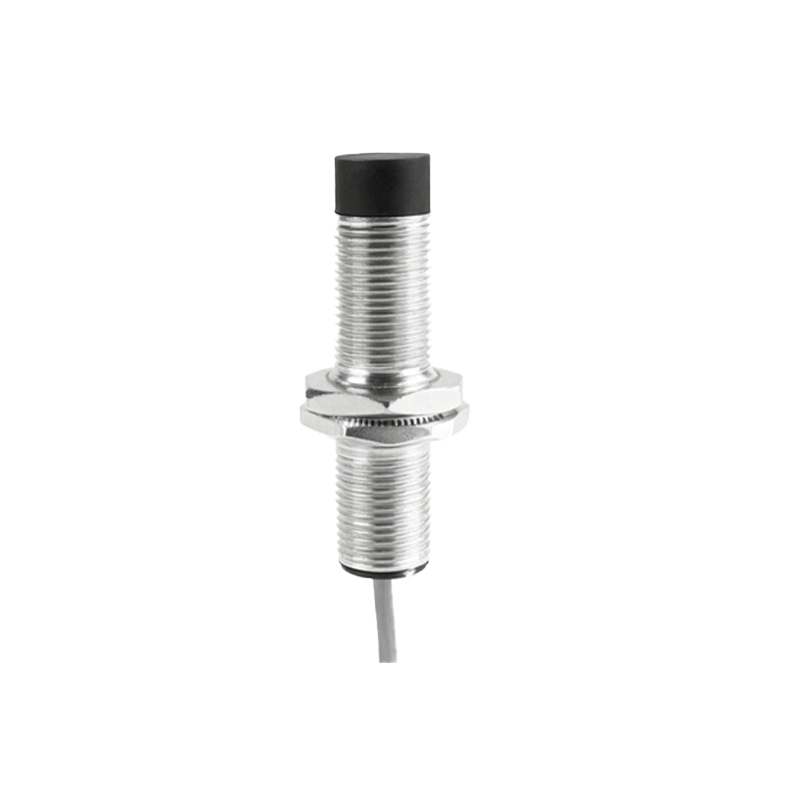
The primary function of proximity switch measuring sensors in length measurement is to provide non-contact detection and precise positioning. For instance, in wire or cable production, sensors monitor the length of materials as they pass through machinery, triggering cut-offs at specified intervals. This ensures uniform product dimensions and reduces material waste. Similarly, in printing or paper industries, sensors measure roll lengths to control winding and unwinding processes, maintaining consistent tension and preventing breaks. The sensors' ability to operate in harsh environments—resistant to dust, moisture, and temperature variations—makes them reliable for continuous industrial use. Their high response speed allows for rapid measurements, supporting high-speed production lines without compromising accuracy.
Technological Principles and Selection Criteria
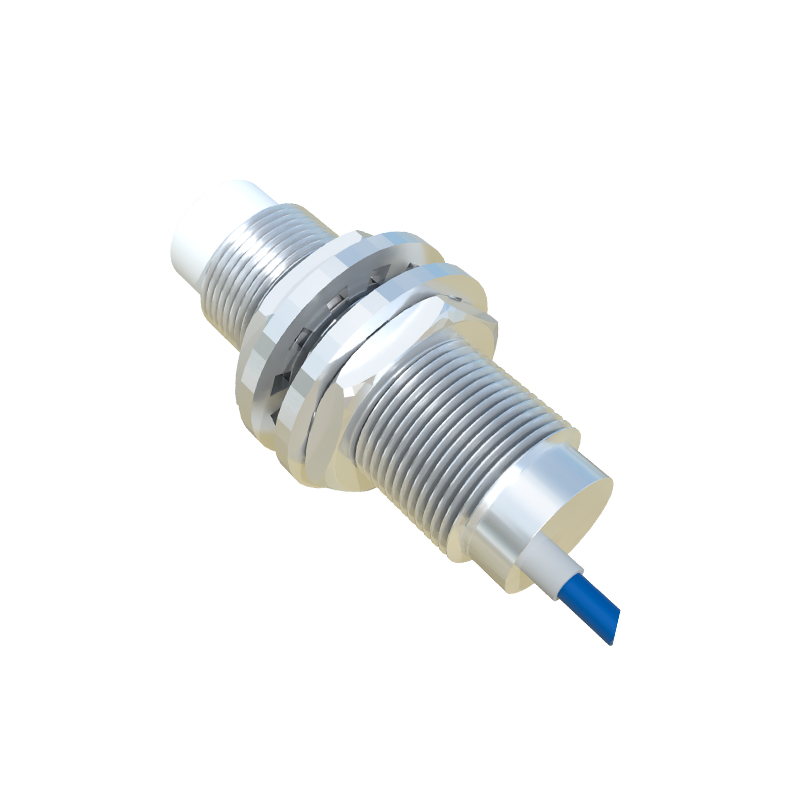
Proximity sensors for measuring applications rely on various technologies tailored to specific needs. Inductive sensors detect metallic objects using electromagnetic fields, ideal for metal processing industries. Capacitive sensors sense both metallic and non-metallic materials by measuring changes in capacitance, suitable for plastic or wood applications. Ultrasonic sensors use sound waves to gauge distance, effective for larger ranges or transparent objects. Photoelectric sensors employ light beams, offering high precision for small or fast-moving items. When selecting a sensor, factors like measurement range, resolution, environmental conditions, and target material must be considered. For length measurement, sensors with analog outputs (e.g., 4-20 mA or 0-10 V) are often preferred, as they provide continuous data for precise control systems.
Benefits in Industrial Automation
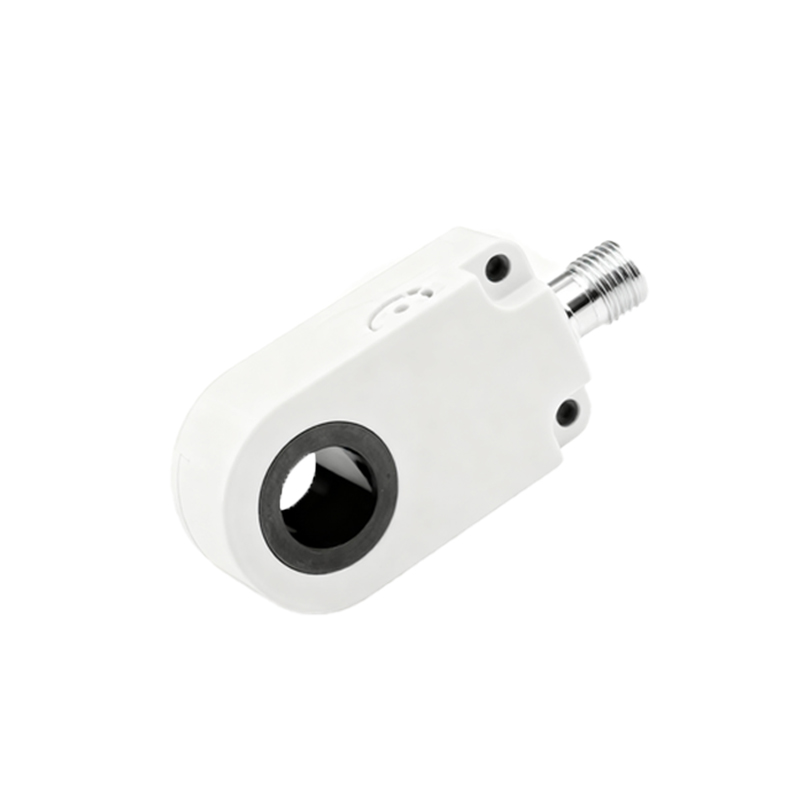
Integrating proximity switch measuring sensors into automation systems yields significant benefits, including enhanced productivity and reduced operational costs. By automating length measurement, these sensors minimize human error and increase throughput, leading to higher output rates. They contribute to predictive maintenance by monitoring equipment wear and tear, preventing downtime due to failures. Additionally, their non-contact nature eliminates mechanical wear, extending sensor lifespan and reducing replacement frequency. In quality assurance, sensors ensure products meet exact specifications, improving customer satisfaction and compliance with industry standards. The data collected can be integrated with PLCs (Programmable Logic Controllers) or SCADA (Supervisory Control and Data Acquisition) systems for advanced analytics and process optimization.
Common Applications and Case Studies
In practical scenarios, proximity sensors are indispensable for diverse length measurement tasks. For example, in the textile industry, sensors measure fabric lengths during cutting and sewing, ensuring consistent garment sizes. In metal fabrication, they monitor sheet metal lengths for accurate shearing and stamping. A case study in a packaging plant shows how ultrasonic sensors measure film lengths for wrapping products, reducing material usage by 15% through precise control. Another application in automotive assembly involves inductive sensors verifying component lengths during installation, enhancing safety and reliability. These examples highlight the sensors' versatility across sectors, from food processing to electronics manufacturing, where precise measurement drives efficiency.
Future Trends and Innovations
The future of proximity switch measuring sensors is shaped by advancements in IoT (Internet of Things) and smart manufacturing. Next-generation sensors are becoming more intelligent, with embedded microprocessors for self-calibration and diagnostics. Wireless connectivity enables remote monitoring and control, facilitating Industry 4.0 initiatives. Innovations in miniaturization allow sensors to fit into compact spaces without sacrificing performance. Additionally, improved accuracy and faster response times are being achieved through enhanced signal processing algorithms. As industries demand greater sustainability, sensors with energy-efficient designs are gaining prominence. Overall, these trends will expand the role of proximity sensors in automated length measurement, making systems more adaptive and data-driven.
Conclusion and Best Practices
To maximize the effectiveness of proximity switch measuring sensors in length measurement applications, adherence to best practices is crucial. Regular calibration and maintenance ensure long-term accuracy and reliability. Proper installation, considering factors like mounting distance and alignment, prevents false triggers. Selecting sensors with appropriate IP (Ingress Protection) ratings for environmental conditions safeguards against damage. Training personnel on sensor operation