Introduction to Flat Head Proximity Sensors
In the realm of industrial automation, proximity switch sensors are indispensable components for non-contact detection. Among the various housing designs, the flat head variant stands out for its unique mechanical and functional advantages. A flat head proximity sensor, characterized by its flush-mountable, low-profile front face, is engineered to solve specific installation and sensing challenges. Unlike cylindrical or threaded barrel sensors, the flat head design allows the sensing surface to be mounted directly flush with a metal surface or bracket. This configuration minimizes the sensor's protrusion, making it ideal for applications with severe space constraints or where physical impact from passing objects is a concern. The fundamental operating principle remains based on electromagnetic induction for inductive types or capacitive field changes for capacitive types, but the housing geometry directly influences the sensor's effective sensing range and mounting flexibility.
Key Design Features and Construction
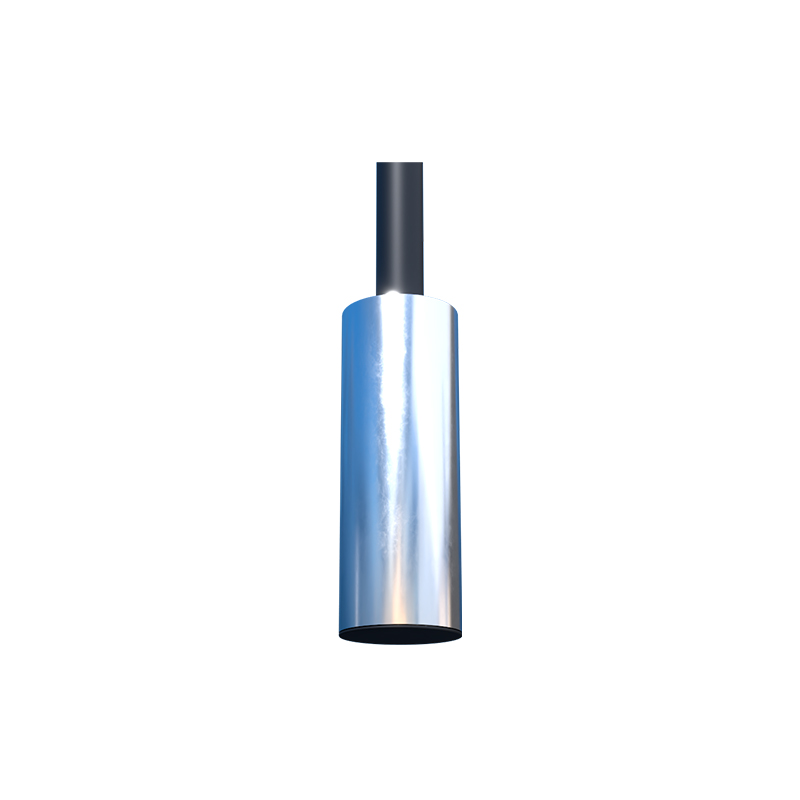
The defining feature of a flat head proximity sensor is its planar sensing face. This is typically constructed from a high-grade, wear-resistant plastic or ceramic material that allows the electromagnetic field to pass through while protecting the internal coil and electronics. Internally, it houses an oscillator, a trigger circuit, and a solid-state output switch. The housing is often made of stainless steel or ruggedized polymer to provide IP67 or higher ingress protection, ensuring reliable operation in harsh industrial environments with dust, coolants, or oil. The wiring is usually connected via a pre-attached cable or a standard M8 or M12 quick-disconnect connector for easy integration. The compact and robust construction is designed to withstand mechanical stress and vibration, common in machinery and conveyor systems.
Benefits and Advantages in Practical Use
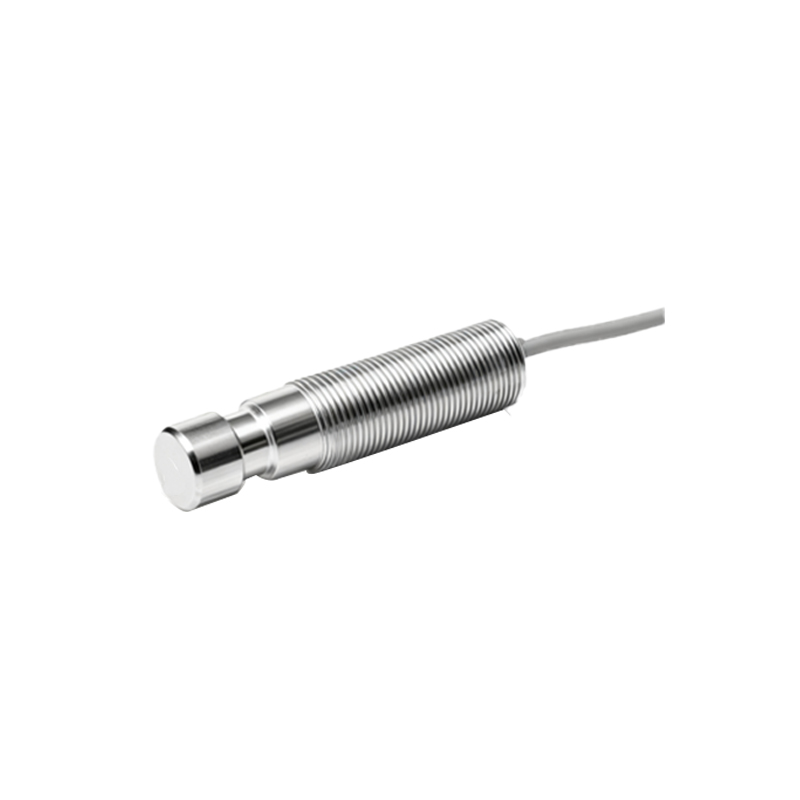
The primary benefit of the flat head design is its space-saving profile. It can be installed in tight locations where a standard sensor would simply not fit. Furthermore, the flush-mounting capability eliminates a potential snag point, significantly reducing the risk of damage from accidental impacts by machine parts, pallets, or products on a line. This leads to increased sensor longevity and reduced maintenance downtime. Another significant advantage is the consistent and repeatable sensing performance. Because the sensing face is flush with the mounting surface, the sensing distance is not affected by lateral movements of the target, providing a more defined and reliable switching point. This is crucial for precise positioning applications, such as in robotic end-effectors or counting mechanisms.
Understanding Sensing Range and Field Characteristics
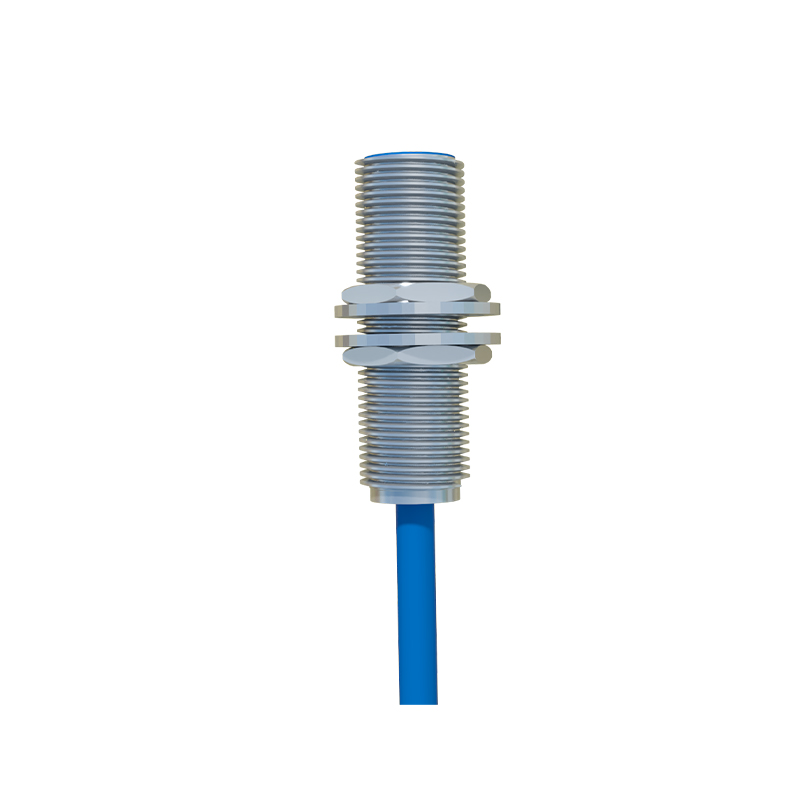
It is critical to note that the effective sensing range (Sn) of a flat head proximity sensor is typically shorter than that of an equivalent cylindrical sensor with the same core technology. This is due to the geometry of the field emitted from the flat face; the electromagnetic field is more focused directly ahead of the sensor rather than radiating from the sides. Engineers must carefully consult the datasheet for the rated nominal sensing distance, which is usually defined for a standard square metal target. The sensing field is also less susceptible to interference from adjacent metallic objects because the field is less expansive laterally. This makes flat head sensors suitable for dense installations where multiple sensors are placed close together.
Common Industrial Applications and Use Cases
Flat head proximity sensors find widespread use across numerous industries. A classic application is in hydraulic or pneumatic cylinders for end-of-stroke detection. The sensor can be recessed into the cylinder body, providing a clean, protected detection solution. They are extensively used on automated guided vehicles (AGVs) for bumper detection or alignment, where a low profile is essential. In packaging machinery, they detect the presence of products on conveyors without interfering with the product flow. Metalworking machines employ them for tool breakage detection or part positioning within fixtures. Their robust design also makes them suitable for washdown environments in food and beverage processing.
Installation Guidelines and Best Practices
Proper installation is paramount for optimal performance. The sensor should be mounted flush in a clean, flat surface. Any gap, recess, or protruding material near the sensing face can alter the magnetic field and reduce the effective sensing distance. It is recommended to use the specified mounting hardware to ensure a secure fit. The target object should approach the sensor perpendicular to its face for the most reliable actuation. Engineers must ensure that the target material and size meet the sensor's specifications; for inductive sensors, only ferrous or non-ferrous metals will be detected. Adequate clearance should be maintained between the sensor body and surrounding metal to prevent shielding effects, as specified by the manufacturer.
Selection Criteria and Technical Considerations
When selecting a flat head proximity sensor, several parameters must be evaluated. First, determine the required sensing distance based on the application, remembering that flat head sensors offer reduced range. Next, choose the sensing technology: inductive for metal detection or capacitive for non