Introduction to Green Proximity Sensors
Green proximity sensors represent a significant advancement in industrial automation, focusing on environmental sustainability and energy efficiency. These sensors are designed to detect the presence or absence of objects without physical contact, utilizing technologies that minimize power consumption and reduce ecological impact. As industries worldwide strive to meet green manufacturing standards, the adoption of such sensors has become crucial. They not only enhance operational efficiency but also contribute to lower carbon footprints by optimizing resource use. This article explores the various classifications of green proximity sensors, detailing their working principles, applications, and benefits in modern industrial settings.
Inductive Proximity Sensors
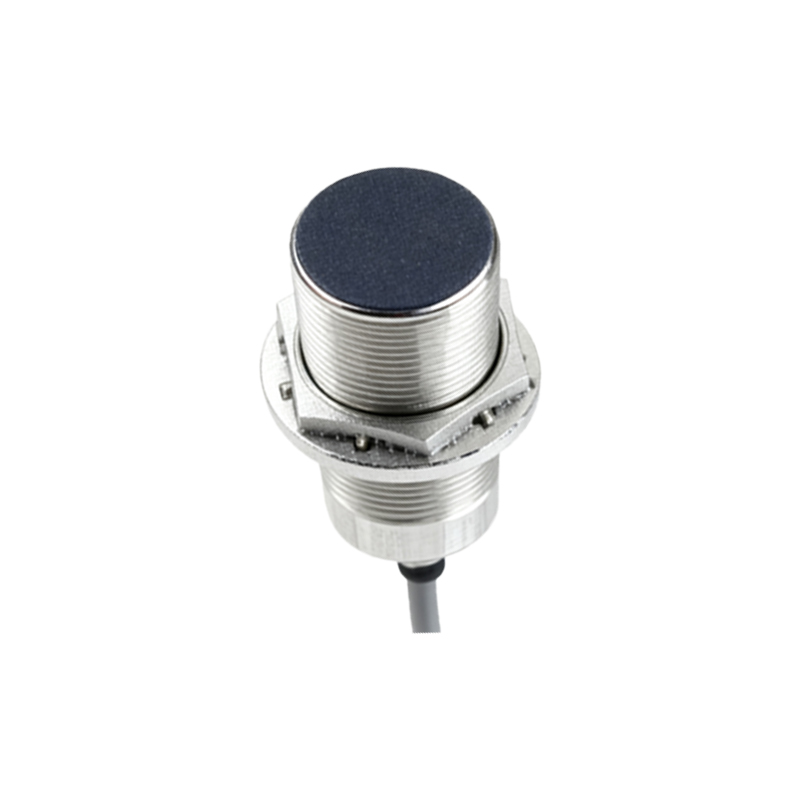
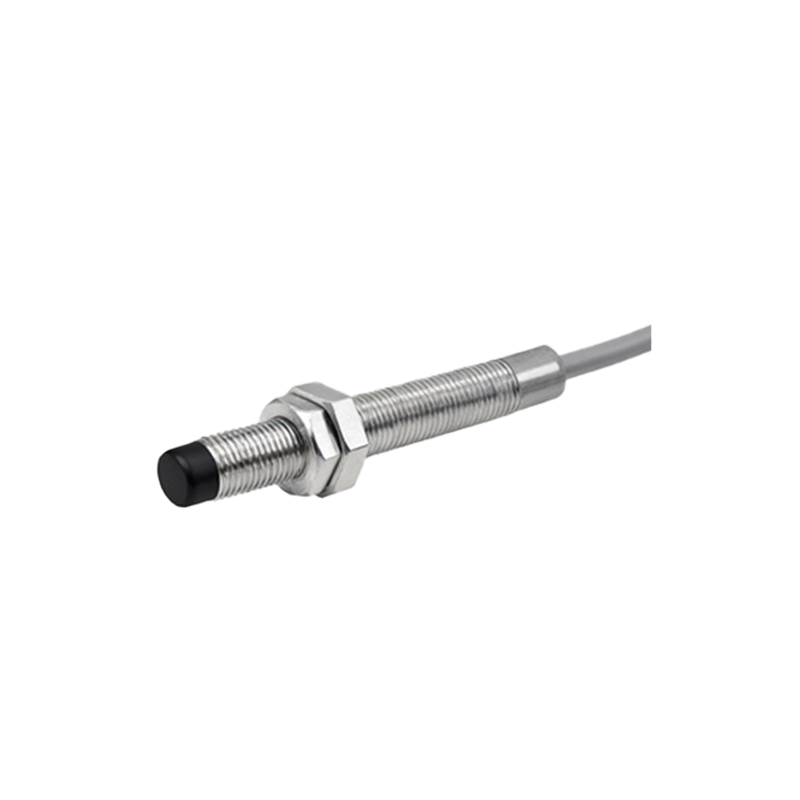
Inductive proximity sensors are among the most common types used in industrial environments, particularly for detecting metallic objects. These sensors operate by generating an electromagnetic field; when a metal object enters this field, it induces eddy currents that alter the sensor's oscillation, triggering a detection signal. Green variants of inductive sensors incorporate energy-saving features such as low-power circuits and sleep modes, which reduce electricity usage by up to 50% compared to traditional models. They are widely applied in automotive assembly lines, packaging machinery, and robotic systems, where reliable metal detection is essential. By minimizing energy waste, these sensors support sustainable production processes and help companies comply with environmental regulations.
Capacitive Proximity Sensors
Capacitive proximity sensors are versatile devices capable of detecting both metallic and non-metallic materials, including liquids, plastics, and glass. They function by measuring changes in capacitance when an object approaches the sensor's electrostatic field. In green designs, capacitive sensors often feature advanced power management systems that automatically adjust sensitivity based on object proximity, thereby conserving energy. These sensors are ideal for applications in food processing, pharmaceutical manufacturing, and waste management, where material diversity requires flexible detection solutions. Their eco-friendly attributes include reduced heat generation and longer lifespans, which decrease electronic waste and maintenance costs over time.
Ultrasonic Proximity Sensors
Ultrasonic proximity sensors use sound waves at frequencies beyond human hearing to detect objects and measure distances. By emitting ultrasonic pulses and analyzing the reflected signals, these sensors can operate effectively in harsh environments with dust, moisture, or varying light conditions. Green ultrasonic sensors emphasize energy efficiency through optimized signal processing algorithms and low-power transducers, cutting energy consumption by approximately 30-40%. Common applications include level monitoring in tanks, collision avoidance in automated guided vehicles (AGVs), and presence detection in recycling facilities. Their non-contact nature reduces wear and tear, promoting sustainability by extending equipment durability and minimizing material usage.
Photoelectric Proximity Sensors
Photoelectric proximity sensors rely on light beams, typically infrared or laser, to detect objects by measuring changes in light intensity or reflection. These sensors are highly accurate and suitable for long-range detection, making them popular in logistics, conveyor systems, and electronic assembly. Green photoelectric sensors incorporate LED light sources with high luminous efficacy and adaptive brightness control, which significantly lower power draw and heat output. Additionally, many models are built with recyclable materials and comply with RoHS (Restriction of Hazardous Substances) directives, reducing environmental toxicity. Their precision helps optimize production flows, thereby decreasing energy waste and enhancing overall eco-efficiency in industrial operations.
Magnetic Proximity Sensors
Magnetic proximity sensors detect the presence of magnetic fields, often from permanent magnets or electromagnets, and are commonly used in safety systems and position sensing. They operate via reed switches or Hall effect components that respond to magnetic flux changes. Green magnetic sensors are designed with minimal standby power requirements and durable, non-toxic materials that resist corrosion and degradation. Applications include door and window monitoring in automated buildings, speed sensing in renewable energy turbines, and valve positioning in water treatment plants. By ensuring reliable performance with low energy input, these sensors contribute to sustainable infrastructure development and resource conservation.
Selection Criteria for Green Proximity Sensors
Choosing the right green proximity sensor depends on several factors, including detection range, material compatibility, environmental conditions, and energy efficiency ratings. Engineers should prioritize sensors with certifications like ISO 14001 for environmental management or Energy Star for low power consumption. It is also essential to consider lifecycle impacts, such as manufacturing emissions and end-of-life recyclability. By integrating sensors that align with green principles, industries can achieve significant reductions in operational costs and environmental harm, fostering a circular economy. Regular maintenance and calibration further enhance sensor longevity, ensuring sustained eco-friendly performance over time.
Future Trends in Green Sensor Technology
The future of green proximity sensors is poised for innovation, driven by advancements in IoT (Internet of Things) and AI (Artificial Intelligence). Smart sensors