Introduction to Photoelectric Sensor EG
The Photoelectric Sensor EG series represents a cornerstone of modern industrial automation, offering reliable and versatile non-contact detection solutions. These sensors operate on the fundamental principle of converting light signals into electrical signals to detect the presence, absence, or distance of an object. The "EG" designation often signifies a specific family or model line characterized by robust construction, high environmental resistance, and advanced sensing capabilities suitable for demanding factory floor conditions. Unlike mechanical limit switches, photoelectric sensors provide wear-free operation, high switching speeds, and the ability to detect a wide variety of materials, including glass, metal, plastic, and liquid levels, making them indispensable in packaging, material handling, assembly, and automotive manufacturing.
Core Operating Principles and Types
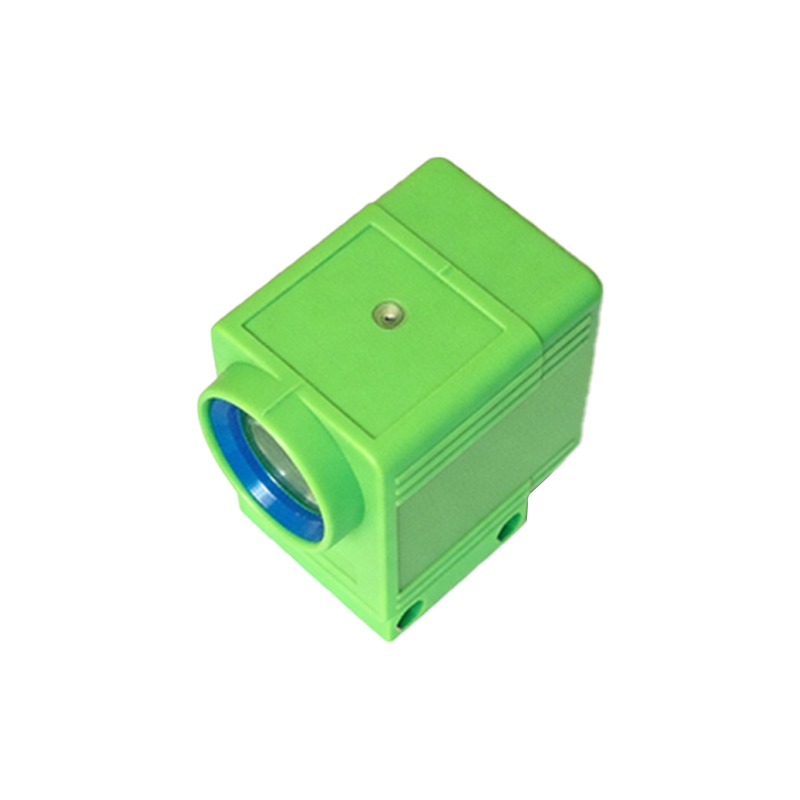
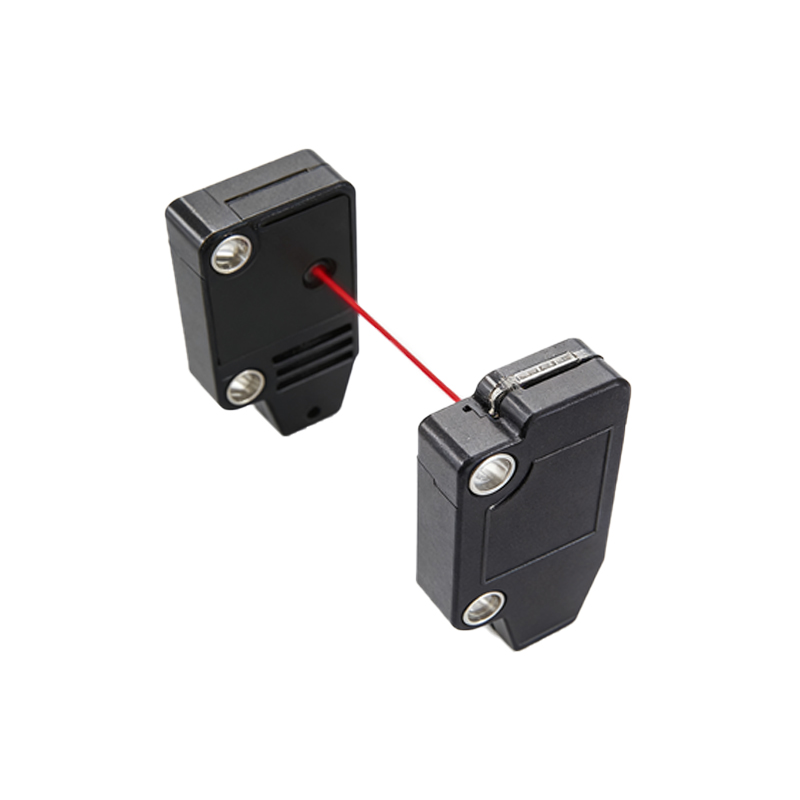
Photoelectric Sensor EG models are primarily categorized by their sensing modes: through-beam, retro-reflective, and diffuse reflective. Through-beam sensors consist of separate transmitter and receiver units. The transmitter emits a light beam, typically from an LED, to the receiver. An object is detected when it interrupts this beam. This mode offers the longest sensing range and highest reliability, ideal for precise detection in high-speed applications. Retro-reflective sensors house both emitter and receiver in a single housing, using a reflector to bounce the light beam back. Detection occurs when the beam is blocked. Diffuse reflective sensors, also known as proximity mode, detect objects by measuring the light reflected directly from the target's surface. Advanced EG series sensors often incorporate background suppression or foreground suppression technology in diffuse mode, allowing them to ignore objects beyond or before a set distance, providing exceptional accuracy.
Key Technical Specifications and Features
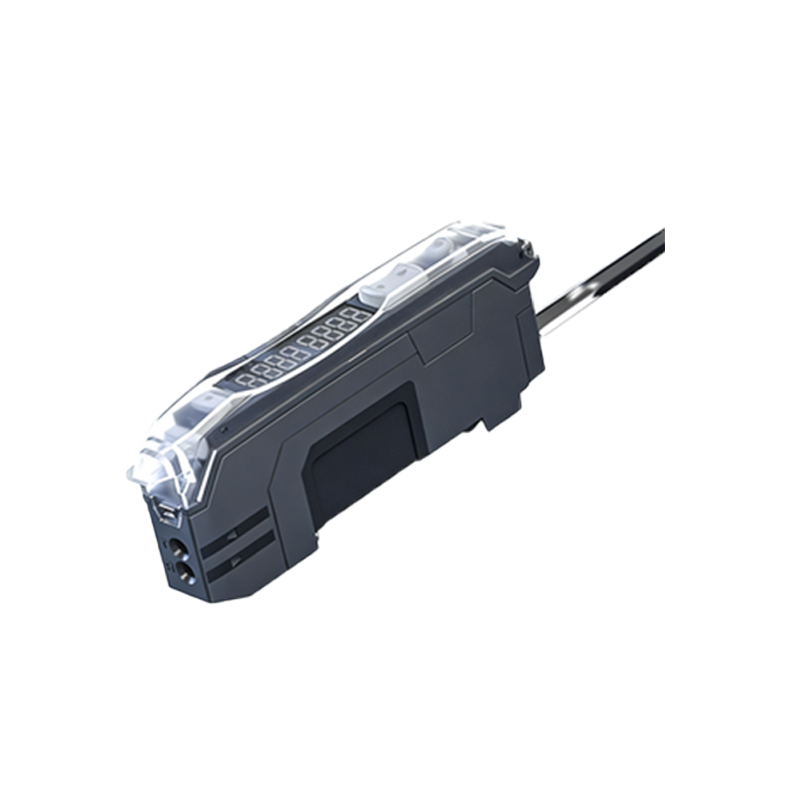
When selecting a Photoelectric Sensor EG, several critical specifications must be considered. Sensing range is paramount, varying from a few centimeters to several meters depending on the model and mode. Light source is another key factor; most EG sensors use modulated infrared, visible red, or laser light sources to combat ambient light interference. Response time, measured in milliseconds or microseconds, determines how quickly the sensor can react to a changing condition, crucial for high-speed production lines. Additionally, output configurations include NPN/PNP transistor outputs, analog current/voltage outputs (4-20mA, 0-10V), and IO-Link digital communication for Industry 4.0 integration. The housing is typically rated at IP67 or higher, ensuring protection against dust and water jets, with materials like nickel-plated brass or stainless steel for chemical resistance.
Application Scenarios in Industrial Settings
The versatility of the Photoelectric Sensor EG series is demonstrated across countless industrial scenarios. In conveyor systems, they are used for object counting, jam detection, and positioning. Through-beam sensors can detect small components on fast-moving lines, while diffuse sensors with background suppression are perfect for detecting transparent bottles on a filling line, ignoring the conveyor belt in the background. In automated storage and retrieval systems (AS/RS), retro-reflective sensors ensure precise pallet positioning. They also play a vital role in safety applications, such as monitoring protective door positions or creating safety light curtains (though specialized versions exist). Furthermore, in harsh environments like welding shops or washdown areas in food & beverage plants, specially hardened EG sensors provide unwavering performance.
Installation, Alignment, and Troubleshooting Tips
Proper installation is critical for optimal sensor performance. Ensure the sensor is securely mounted to minimize vibration. For through-beam and retro-reflective types, precise alignment between the emitter, reflector, or receiver is essential; many EG models feature built-in alignment indicators (like a green LED for stable signal). Avoid mounting sensors facing direct sunlight or other powerful light sources to prevent false triggering. Common issues include failure to detect, intermittent operation, or false signals. Troubleshooting steps involve checking power supply, verifying alignment, cleaning the lens from dirt or debris, inspecting for optical obstructions, and ensuring the target object's properties (color, material, surface finish) are within the sensor's specified capabilities. Utilizing the sensor's sensitivity adjustment potentiometer or teach-in function can often resolve detection challenges.
Advantages Over Other Sensor Technologies
Compared to inductive or capacitive proximity sensors, Photoelectric Sensor EG units offer distinct advantages. They can detect non-metallic objects, which inductive sensors cannot. They generally provide a much longer sensing range than both inductive and capacitive types. Unlike capacitive sensors, which can be affected by environmental humidity, photoelectric sensors are more stable in varying conditions. Their fast response speed and ability to detect small or finely detailed objects make them superior for precision tasks. While ultrasonic sensors are also used for non-contact detection, photoelectric sensors typically offer faster response times and are less affected by temperature gradients or air turbulence, though ultrasonic sensors perform better with sound-absorbing materials or in dusty environments where light beams may scatter.
Future Trends and Smart Sensor Integration
The evolution of the Photoelectric Sensor EG line is closely tied to Industry 4.0 and smart manufacturing trends. Future iterations are increasingly incorporating advanced diagnostics and communication protocols. IO-Link enabled EG sensors can transmit not just a simple on/off signal but also detailed parameter data like signal strength, operating temperature, and lens contamination levels to a central controller, enabling predictive maintenance. The integration of multi-functional sensing, where a single sensor head can perform multiple detection modes, is becoming more common. Furthermore, advancements in laser diode and CMOS receiver technology are pushing the boundaries of precision, allowing for the detection of extremely small objects or precise distance measurement with sub-millimeter accuracy, opening new applications in robotics and micro-assembly.