Understanding Proximity Sensor Polarity
Proximity sensors, widely used in industrial automation and control systems, detect the presence or absence of objects without physical contact. A common question among engineers and technicians is whether these sensors have positive and negative poles, similar to DC power sources. The answer depends on the sensor type and its electrical configuration. Unlike simple components like batteries or LEDs, proximity sensors involve more complex circuitry that determines their polarity requirements. This article explores the polarity aspects of various proximity sensors, clarifying misconceptions and providing practical insights for proper installation and operation.
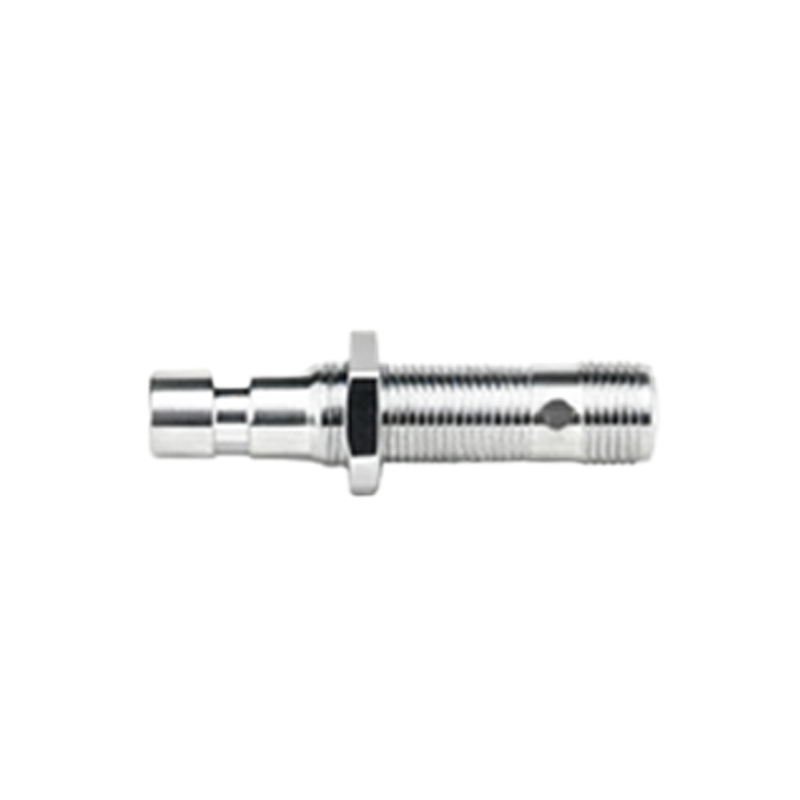
Types of Proximity Sensors and Polarity Considerations
Proximity sensors are categorized into inductive, capacitive, and magnetic types, each with distinct operating principles. Inductive sensors, for instance, detect metallic objects and typically require a DC power supply. Most DC-powered inductive sensors have defined positive and negative terminals, as they operate on a specific voltage polarity (e.g., 10-30 VDC). Incorrect wiring can lead to malfunction or damage. In contrast, AC-powered sensors may not have polarity distinctions, as alternating current naturally reverses direction. Magnetic proximity sensors, such as reed switches, are often polarity-insensitive, but Hall effect sensors might require correct polarity for accurate signal output. Understanding the datasheet specifications is crucial to determine polarity needs.
Wiring Configurations: 2-Wire vs. 3-Wire Sensors
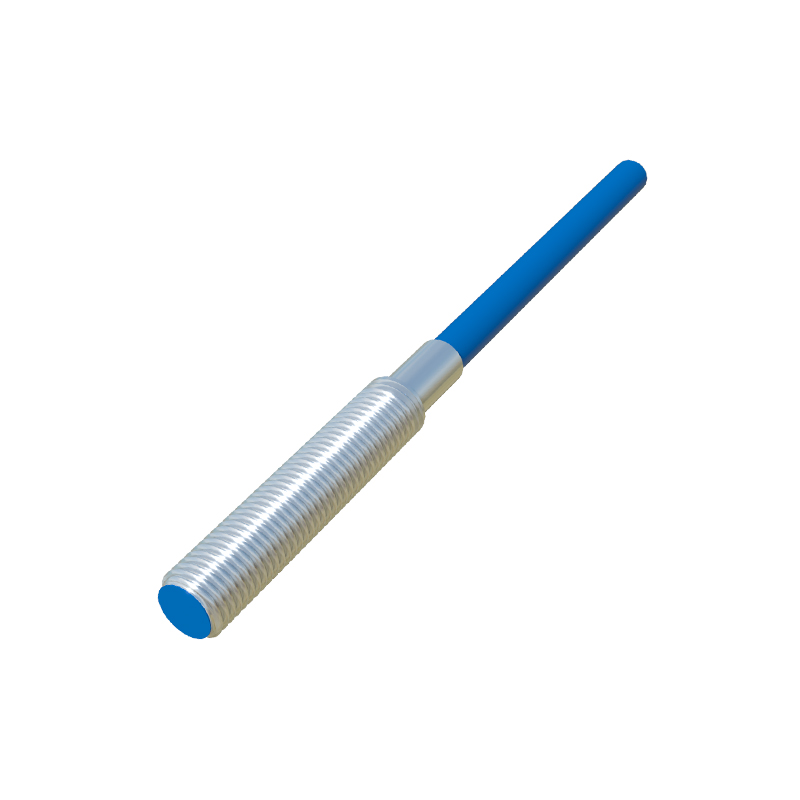
The wiring setup significantly influences polarity considerations. Two-wire proximity sensors connect in series with the load and power supply, making them polarity-sensitive in DC circuits; reversing wires can prevent operation. Three-wire sensors, common in DC applications, have separate wires for power (positive and negative) and output signal. Here, the positive and negative power terminals must be correctly connected to avoid short circuits or sensor failure. For example, in a 3-wire NPN sensor, the negative terminal is typically linked to the load, while PNP sensors use the positive terminal. Always refer to manufacturer diagrams to ensure proper polarity alignment, as mistakes can cause system downtime or safety hazards.
Impact of Incorrect Polarity on Sensor Performance
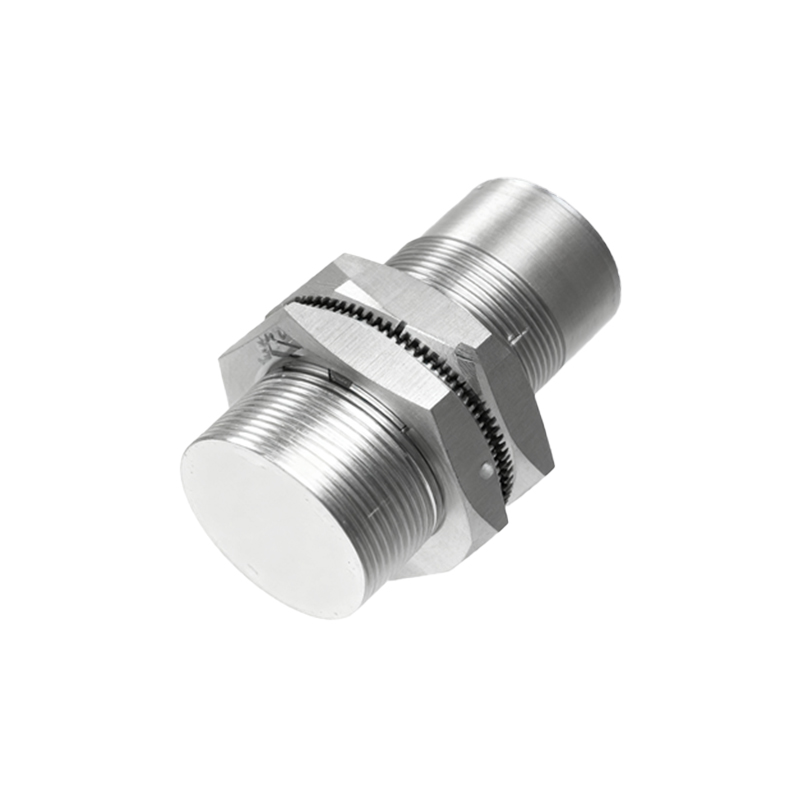
Connecting proximity sensors with reversed polarity can lead to various issues, from non-functionality to permanent damage. In DC sensors, reverse polarity might blow internal fuses or destroy electronic components, resulting in costly replacements. Even if the sensor appears to work initially, incorrect polarity can cause erratic behavior, such as false triggering or reduced detection range, compromising system reliability. In industrial environments, this can disrupt production lines and increase maintenance costs. To mitigate risks, many modern sensors incorporate protection circuits against reverse polarity, but this feature is not universal. Testing polarity with a multimeter before installation is a best practice to ensure optimal performance.
Best Practices for Handling Polarity in Proximity Sensors
To avoid polarity-related problems, follow these guidelines: First, always check the sensor’s datasheet or labeling for polarity markings—positive (+) and negative (-) symbols are often indicated on the housing or connectors. Second, use color-coded wiring (e.g., brown for positive, blue for negative in DC systems) to simplify connections. Third, implement proper testing procedures, like verifying voltage levels with diagnostic tools before full integration. Additionally, consider using polarized connectors or keyed cables to prevent accidental reversals. For complex systems, document wiring schematics and conduct regular audits to maintain compliance with safety standards, such as IEC 60947-5-2 for proximity switches.
Conclusion: Polarity Awareness for Reliable Operation
In summary, proximity sensors can have positive and negative poles, primarily in DC-powered models, while AC or certain magnetic types may not. The key is to understand the specific sensor type, wiring configuration, and manufacturer instructions. By prioritizing correct polarity during installation and maintenance, engineers can enhance sensor longevity, ensure accurate detection, and support efficient automation processes. As technology advances, features like reverse polarity protection are becoming more common, but vigilance remains essential for safe and effective industrial applications.