Introduction to Proximity Sensors in Industrial Pumping
In the intricate world of industrial automation, pumping systems serve as the circulatory network for countless processes, from water treatment and chemical manufacturing to oil and gas extraction. The reliability and efficiency of these systems are paramount, and this is where proximity switch sensors play a critical, often understated role. Unlike mechanical limit switches, proximity sensors perform their duty without physical contact, detecting the presence or absence of a target object through electromagnetic fields, light, or sound. Their integration into pumping systems marks a significant leap towards predictive maintenance, precise control, and operational safety. By providing non-contact detection of pump shaft position, valve status, or fluid level, these sensors form the foundational layer of data acquisition that drives modern, intelligent pumping solutions.
Core Operating Principles and Sensor Types
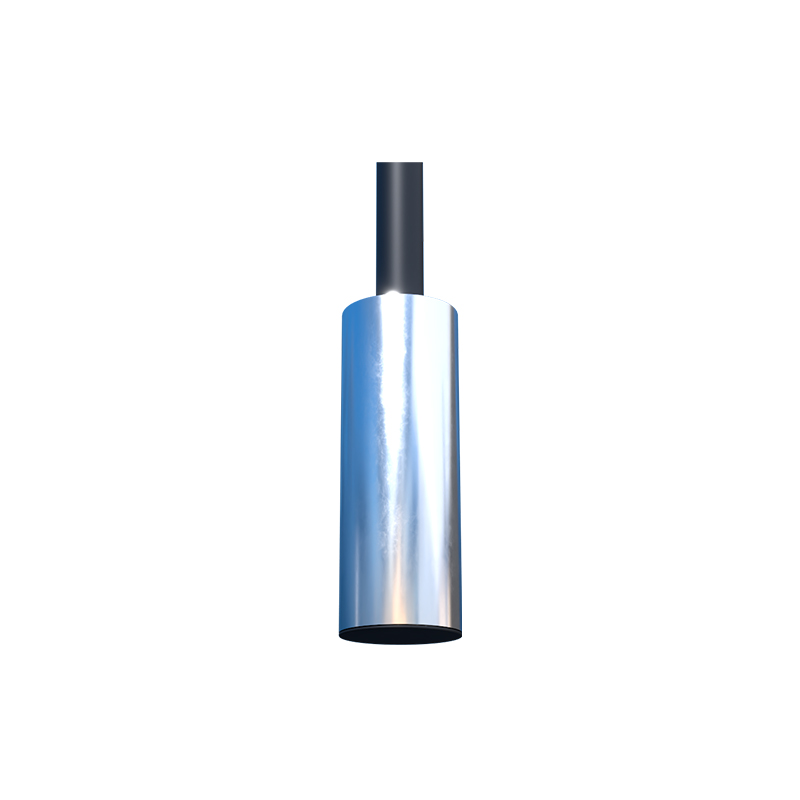
Understanding the technology behind proximity sensors is key to their effective application. The most common types used in pumping environments are inductive, capacitive, and ultrasonic sensors. Inductive proximity sensors are the workhorses for detecting metallic components. They generate an oscillating electromagnetic field. When a ferrous or non-ferrous metal target enters this field, it induces eddy currents that dampen the oscillation, triggering the sensor's switch. This makes them ideal for monitoring pump shaft rotation, detecting the position of a piston in a reciprocating pump, or confirming the open/closed status of a metal valve. Capacitive sensors, on the other hand, can detect both metallic and non-metallic materials, including liquids, powders, and plastics. They sense changes in capacitance caused by the presence of any material that alters the dielectric constant of the space between the sensor and a reference ground. This capability is invaluable for liquid level detection in tanks or sumps, preventing pump dry-run conditions. Ultrasonic sensors use sound waves to measure distance to a target, excelling in applications requiring precise level monitoring of corrosive or opaque fluids where other sensors might fail.
Critical Applications in Pump System Monitoring
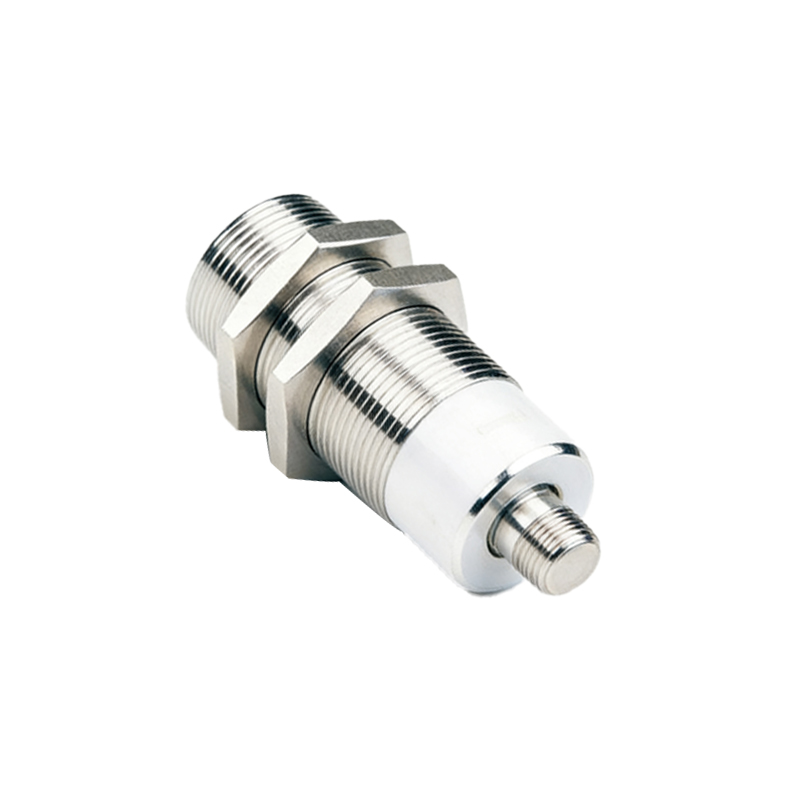
The deployment of proximity sensors addresses several critical operational challenges. One primary application is in pump condition monitoring. Sensors mounted near the pump shaft or coupling can detect rotational speed, direction, and even slight misalignments by monitoring the passage of gear teeth or keyways. This data is crucial for detecting cavitation, bearing wear, or impending failure before catastrophic damage occurs. Another vital use is in valve position feedback. Knowing the exact open or closed status of a discharge or suction valve is essential for sequenced pump startups and shutdowns, preventing water hammer and system overpressure. Furthermore, in multi-pump systems, sensors ensure proper staging and alternation, distributing operational hours evenly to extend the lifecycle of all units. For submersible pumps, sensors can confirm the pump's seated position in the well or wet pit, ensuring it is properly installed before operation.
Enhancing System Safety and Preventing Damage
Safety and asset protection are non-negotiable in industrial settings. Proximity sensors are frontline defenders against some of the most common and costly pump failures. The prevention of dry running is a prime example. A capacitive or ultrasonic sensor monitoring a low liquid level in a supply tank can send a signal to stop the pump before it runs dry, avoiding severe mechanical seal damage, overheating, and impeller destruction. Similarly, sensors can detect excessive vibration or axial movement in the pump shaft, indicative of bearing failure or imbalance, and initiate a controlled shutdown. In high-pressure systems, sensors monitoring pressure relief valve position or rupture disc status provide immediate alerts to dangerous overpressure conditions, safeguarding both personnel and equipment from potential explosions or leaks.
Installation Considerations and Best Practices
The performance of a proximity sensor is heavily influenced by its installation. Key factors include mounting location, sensing distance, and environmental protection. The sensor must be positioned close enough to the target for reliable detection but far enough to avoid physical damage from vibration or thermal expansion. The declared sensing distance, or "Sn," is typically calibrated for a standard mild steel target; for other materials, a correction factor must be applied. Environmental conditions are harsh in pumping applications, necessitating sensors with high Ingress Protection (IP) ratings (e.g., IP67 or IP69K) to withstand moisture, dust, and high-pressure washdowns. For corrosive environments, sensors with housings made of stainless steel (e.g., 316L) or PVDF are essential. Proper electrical wiring, shielding from electromagnetic interference from variable frequency drives (VFDs), and secure mechanical mounting are fundamental to ensuring long-term, trouble-free operation.
Integration with Control Systems and Industry 4.0
The true power of proximity sensors is unlocked when their discrete signals are integrated into broader control architectures. Modern sensors often feature IO-Link communication,