Understanding Slot-Type Photoelectric Sensors
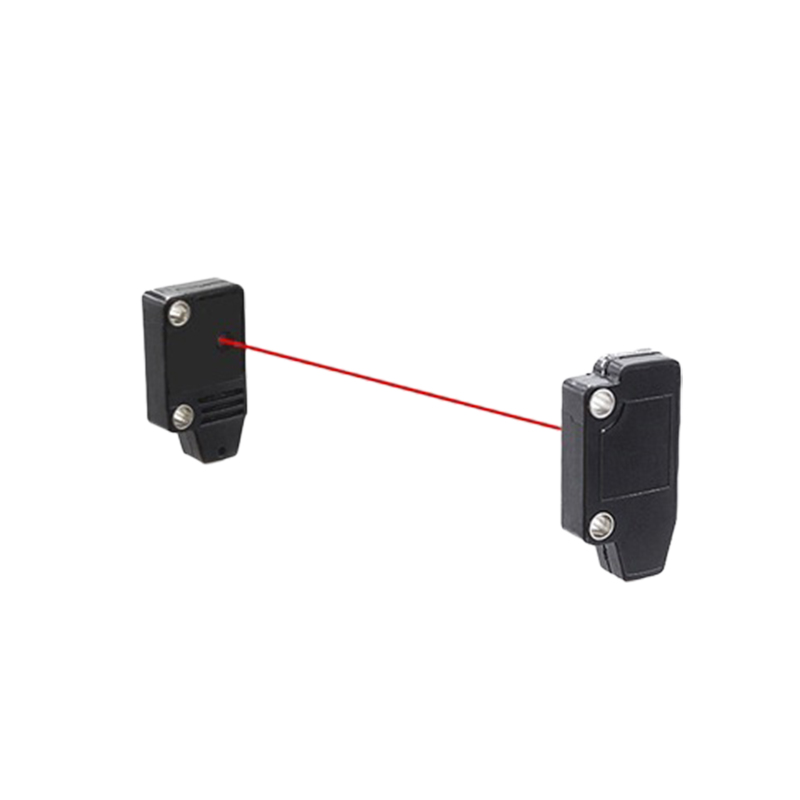
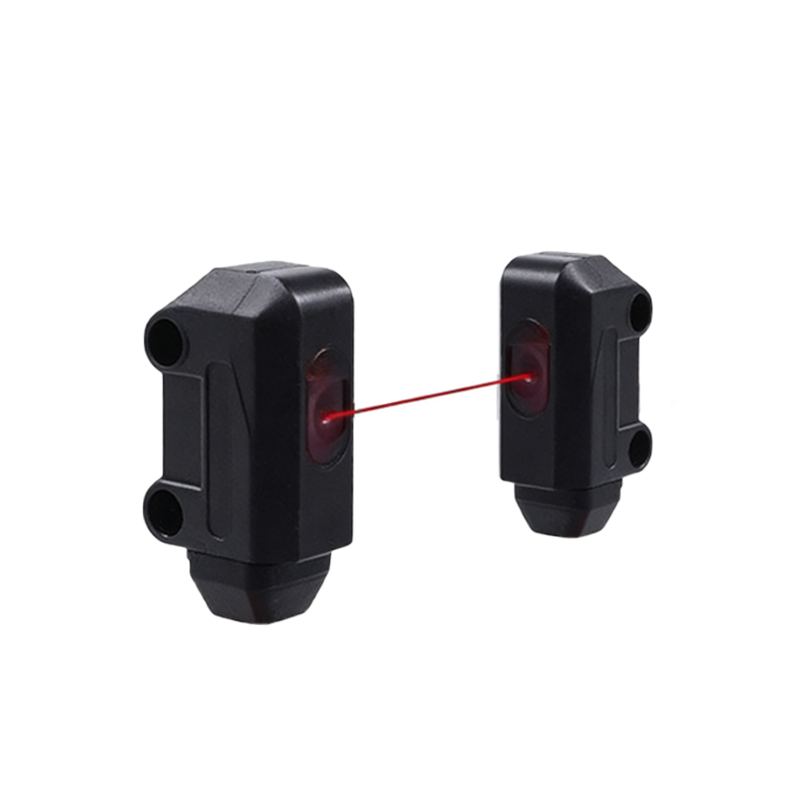
Slot-type photoelectric sensors, often called through-beam sensors, are a fundamental component in industrial automation. They consist of two separate units housed in a single U-shaped body: an emitter on one side and a receiver on the other. The emitter projects a beam of light, typically infrared or visible red, across the open slot to the receiver. When an object passes through this slot, it interrupts the light beam, causing the sensor's output to change state. This simple yet reliable principle makes them indispensable for detection, counting, and positioning tasks. Their key advantage lies in their self-contained alignment; since the emitter and receiver are pre-aligned in a fixed housing, installation is straightforward and immune to misalignment issues common with separate emitter-receiver pairs. This design ensures high reliability and consistent performance in demanding environments.
Key Applications in Industrial Settings
The primary application of slot-type sensors is object detection. They are exceptionally proficient at detecting the presence or absence of components on a conveyor line, verifying if a part is correctly seated in a fixture, or confirming the passage of items through a chute. A second critical use is in counting and sequencing. By monitoring each interruption of the beam, these sensors can accurately count bottles on a filling line, packages on a sorting belt, or sheets in a printing press. Furthermore, they are widely employed in safety interlocks and edge detection. For instance, they can be used to ensure a protective guard is in place before a machine cycle starts or to detect the leading edge of a material web in textile or paper processing. Their ability to detect very small objects, depending on the beam width and slot size, extends their utility to electronics assembly and precision manufacturing.
Selecting the Right Sensor for the Job
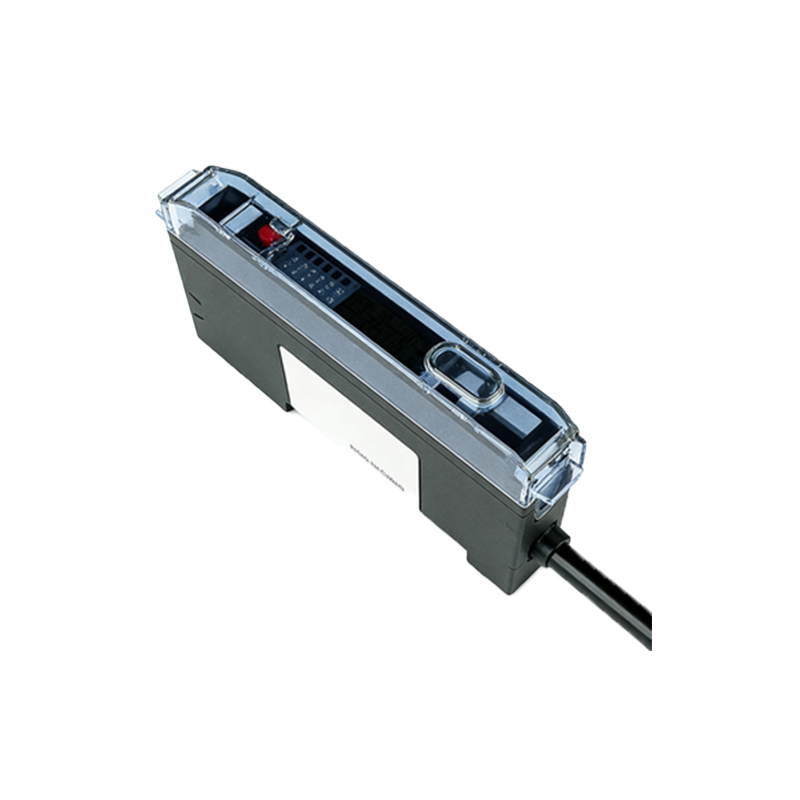
Choosing an appropriate slot-type sensor requires careful consideration of several technical parameters. First, determine the required slot width and depth to accommodate the target object and allow for proper mounting. The sensing beam width must be smaller than the smallest object you need to detect. Next, consider the output type: NPN (sinking) or PNP (sourcing) transistor outputs are standard, with the choice dependent on your control system's PLC input card. Response time is another vital factor; high-speed applications, like detecting small components on a fast-moving belt, demand sensors with microsecond-range response times. Environmental conditions cannot be overlooked. For dusty, humid, or washdown environments, select sensors with high IP (Ingress Protection) ratings, such as IP67. Finally, consider the light source. Infrared LEDs are common for their immunity to ambient light interference, while red visible LEDs aid in easier alignment verification during setup.
Installation and Alignment Best Practices
Although slot-type sensors are pre-aligned, proper installation is crucial for optimal performance. Securely mount the sensor using the provided brackets or mounting holes, ensuring it is rigid and free from vibration that could cause false triggering. The target object must pass cleanly through the center of the slot, perpendicular to the light beam. Avoid mounting where debris, oil, or coolant might accumulate in the slot, as this can block the beam. For applications involving transparent or translucent objects (like glass or plastic), ensure the sensor model is specified for such materials, as standard sensors may not reliably detect them. Some sensors feature a "teach" function or sensitivity adjustment to fine-tune the detection threshold for challenging targets or environments. Always connect the wiring according to the manufacturer's datasheet, paying close attention to the polarity for the power supply and the load connection for the output.
Troubleshooting Common Operational Issues
Even with robust design, issues can arise. The most frequent problem is false triggering or failure to detect. First, inspect the slot for any physical obstruction like dirt, chips, or accumulated grime. Clean the lens surfaces on both the emitter and receiver with a soft cloth. Next, verify the target object is consistently breaking the beam completely and is not reflective, which could bounce light to the receiver. Check the electrical connections for loose wires or incorrect voltage. Use a multimeter to confirm the sensor is receiving the correct supply voltage (typically 10-30V DC) and that the output is switching when the beam is interrupted. Ambient light interference, though less common with modulated infrared light, can be a factor if a powerful external light source (like a welding arc) is shining directly into the receiver. In such cases, physical shielding or sensors with robust ambient light immunity are necessary. Regularly consulting the sensor's status LED is the first step in any diagnostic procedure.
Advancements and Future Trends
The evolution of slot-type photoelectric sensors continues to enhance their capabilities. Modern sensors now incorporate advanced features like IO-Link communication, which allows for digital parameter setting, remote monitoring of device health, and detailed diagnostic data transmission to the control system. This enables predictive maintenance, reducing downtime. There is also a trend towards miniaturization, with ultra-compact models enabling installation in space-constrained machinery. Furthermore, the development of background suppression technology within the slot-type format allows for more precise detection by ignoring objects beyond a set distance, even if they enter the slot's physical opening. As Industry 4.0 and smart factories become the norm, the integration of intelligence and connectivity into these fundamental sensors will solidify their role as critical data points within the larger industrial IoT ecosystem.