In the realm of industrial automation, robotics, and smart devices, the ability to detect the presence or absence of an object without physical contact is fundamental. This capability is provided by proximity sensors. However, the raw signal from these sensors is often a continuous stream of data that must be interpreted by a control system. This is where the critical process of sampling comes into play. Sampling a proximity sensor refers to the periodic measurement of its output signal to determine the state of the detected object. Understanding this process is key to deploying these sensors effectively and reliably.
At its core, a proximity sensor generates an electrical signal—typically a change in voltage, current, or a digital on/off state—when a target object enters its detection field. A sampling system, which could be a programmable logic controller (PLC), a microcontroller, or a dedicated circuit, periodically reads this signal. The frequency at which these readings are taken is known as the sampling rate. A higher sampling rate means the system checks the sensor's status more frequently, providing a more immediate response to changes. For instance, in a high-speed packaging line where objects move rapidly past a sensor, a high sampling rate is essential to ensure no object is missed. Conversely, for monitoring a slowly moving door or a stationary object, a lower sampling rate may be sufficient and can reduce computational load.
The relationship between the sampling rate and the sensor's response time is crucial. Every proximity sensor has a specified response time—the time it takes for the sensor's output to change state after the target enters or leaves its detection zone. If the sampling interval (the inverse of the sampling rate) is longer than the sensor's response time or the duration an object is within range, detection errors can occur. The object may be present but the system "misses" it because it didn't check the sensor at the right moment. Therefore, a fundamental rule is to set the sampling rate significantly higher than the rate of change being measured. A common guideline is to sample at least 5 to 10 times faster than the fastest expected change in the sensed variable.
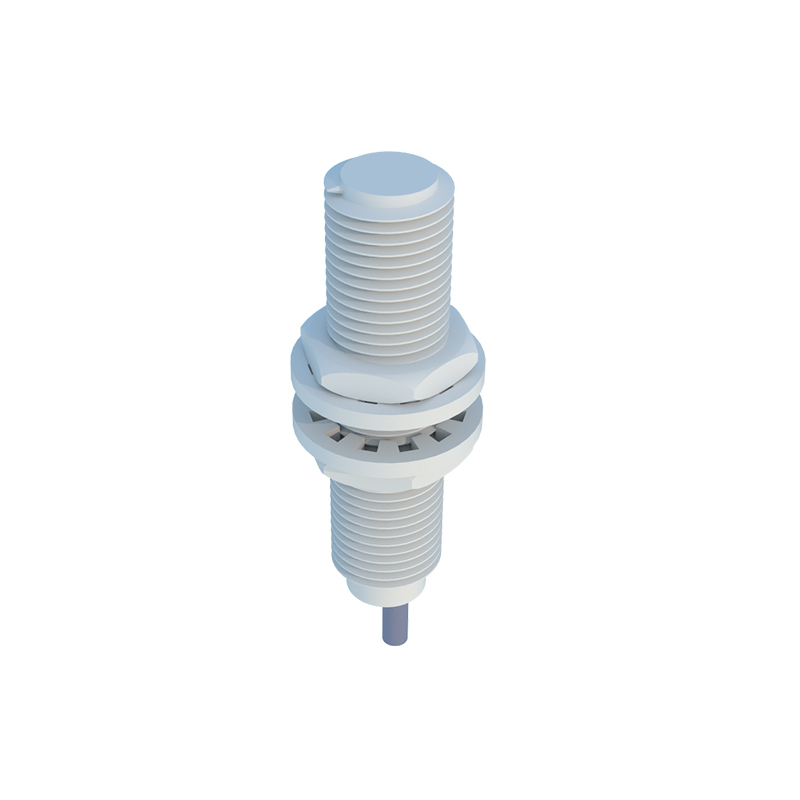
Another critical aspect is signal conditioning and filtering. Industrial environments are electrically noisy. Proximity sensor signals can suffer from transient spikes or brief fluctuations caused by electromagnetic interference (EMI), welding equipment, or large motor starters. Blindly sampling a raw, noisy signal can lead to false triggers. To mitigate this, sampling is often combined with digital filtering techniques. A simple but effective method is debouncing or implementing a moving window. Instead of acting on a single sample, the system might require that the sensor read "ON" for three consecutive samples before confirming an object's presence. This adds a small delay but dramatically improves noise immunity and reliability.
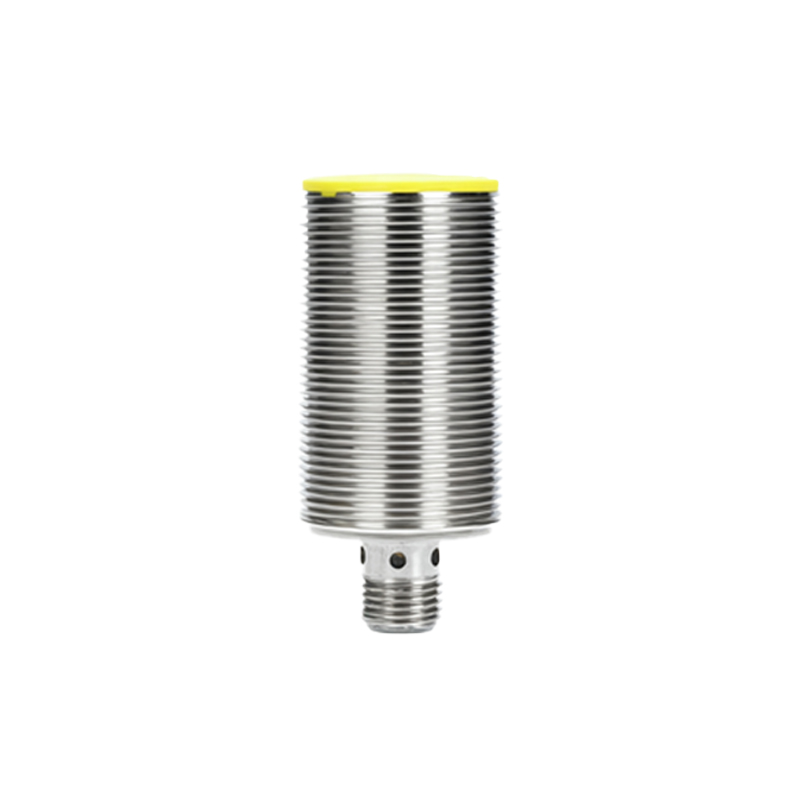
The type of proximity sensor also influences sampling considerations. Inductive sensors, used for detecting metals, and capacitive sensors, used for a wider range of materials including liquids, often provide a discrete digital (PNP/NPN) output. Sampling these is straightforward: read a high or low logic state. However, analog proximity sensors output a continuous voltage or current signal proportional to the distance to the target. Sampling these requires an Analog-to-Digital Converter (ADC) and careful calibration to translate the sampled value into a meaningful distance measurement. The resolution of the ADC and the sampling rate together determine the precision and speed of the analog measurement.
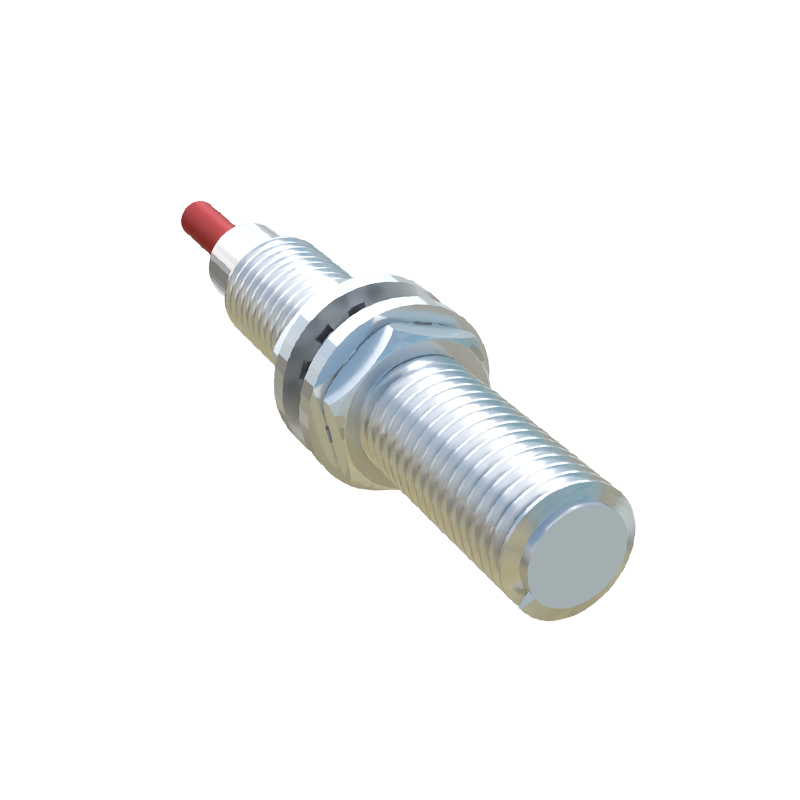
In practical applications, the choice of sampling strategy has direct implications. In automotive assembly, a sampled inductive sensor ensures a robot welds only when the car body is perfectly positioned. In consumer electronics, a sampled capacitive sensor enables touchless gesture control on a smartphone, where rapid and accurate sampling is needed to interpret hand movements. In vibration monitoring, an analog proximity sensor sampled at a high rate can detect subtle changes in shaft position, predicting machinery failure.
When selecting and integrating a sampling proximity sensor system, engineers must consider several factors: the required response speed of the application, the environmental noise levels, the nature of the target object, and the capabilities of the processing unit. Consulting the sensor datasheet for response time, repeatability, and recommended circuits is the first step. Subsequently, the control program must be designed with an appropriate sampling routine and filtering logic.
Ultimately, a proximity sensor is only as good as the system that interprets its signal. Proper sampling transforms a simple detection event into a robust, reliable piece of data that a machine or computer can act upon. By mastering the principles of sampling rate, signal conditioning, and system integration, engineers can unlock the full potential of proximity sensing technology, building systems that are not only intelligent but also resilient and precise in the face of real-world challenges.