Understanding Sensing Distance Fundamentals
The maximum detection distance, often termed the "rated operating distance" or "Sn," is a critical specification for any metal proximity sensor. This distance is defined as the nominal value at which the sensor reliably detects a standard target under specified conditions. It is not an absolute maximum but a standardized, repeatable benchmark. The actual sensing range can be influenced by numerous factors, including the target metal's type, size, shape, and the sensor's own design—inductive, capacitive, or ultrasonic. Industry standards, such as those from IEC 60947-5-2, provide the framework for testing and specifying this distance using a standard mild steel target of a defined size (typically a 1mm thick square with sides equal to the sensor's diameter or the rated distance, whichever is greater). Understanding that the rated distance is a controlled laboratory value is the first step in accurately applying these sensors in real-world industrial automation, packaging, and material handling systems.
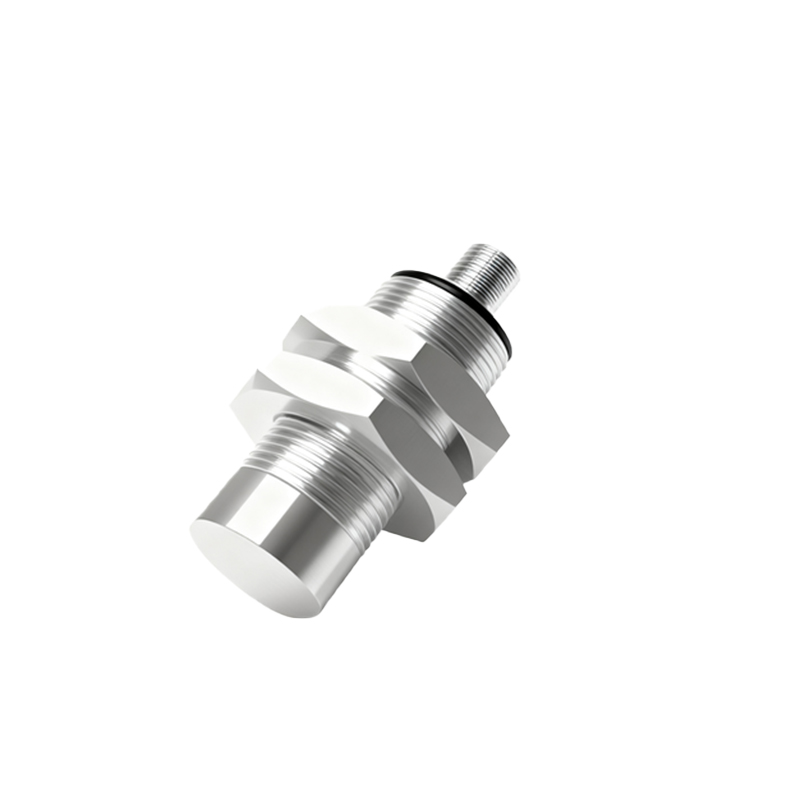
Key Factors Influencing Maximum Range
Several key variables directly impact how far a metal proximity sensor can detect an object. The most significant is the target material. Ferrous metals, like mild steel and iron, are detected at the full rated distance (Sn). Non-ferrous metals, such as aluminum, brass, or copper, have reduced effective sensing ranges, often between 30% to 60% of Sn due to their lower permeability and different eddy current response. The target size is equally crucial; a target smaller than the sensor's sensing face or the standard test piece will decrease the maximum usable distance. Furthermore, the shape and orientation matter—a flat surface presented parallel to the sensor face offers optimal range, while edges or curved surfaces reduce it. Environmental factors like ambient temperature, the presence of other metals (mounting in a metal bracket), and electrical noise can also marginally affect performance and must be considered during system design.
Sensor Technology and Typical Distance Ranges
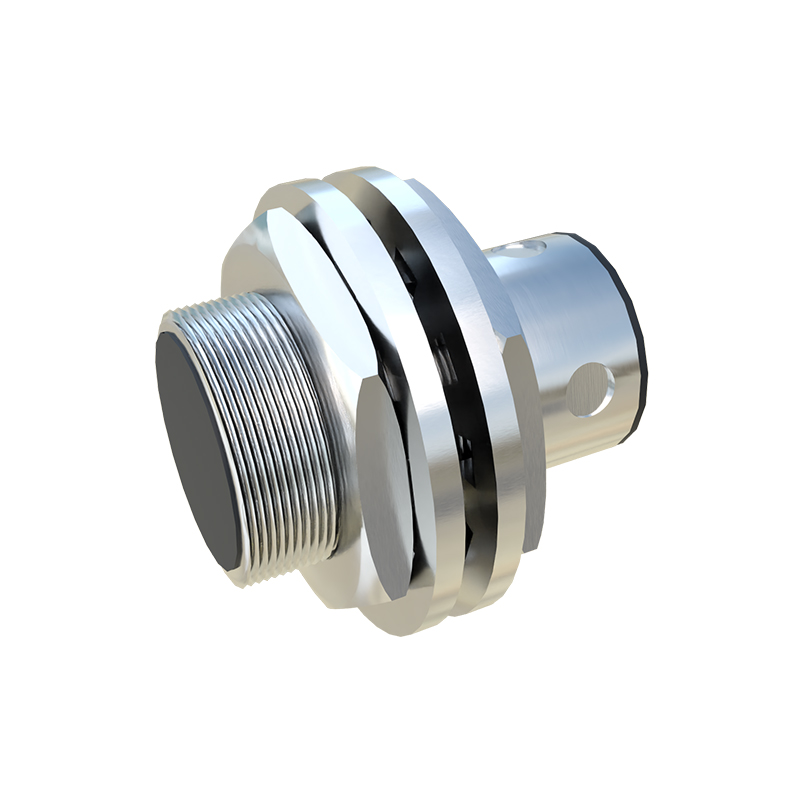
Different sensing technologies offer distinct maximum distance capabilities. Standard shielded (flush-mountable) inductive proximity sensors, common in tight spaces, typically offer ranges from 1mm to 25mm. Unshielded (non-flush) models, which have a longer, less directed magnetic field, can achieve greater distances, often from 2mm up to 70mm for larger-diameter units. For specialized long-range applications, sensors with extended sensing capabilities are available, with some high-performance models reaching 100mm or more for a standard steel target. It is vital to consult manufacturer datasheets, as the relationship between sensor diameter and Sn is generally proportional—a larger sensor coil typically enables a longer sensing distance. Capacitive sensors, while capable of detecting metals, are generally used for non-metals and have different range characteristics influenced by material density and dielectric constant.
Calculating Effective Sensing Distance for Application
To ensure reliable operation, engineers must calculate the effective sensing distance for their specific application. This involves applying correction factors from the sensor's datasheet for the target material. For instance, if a sensor has an Sn of 10mm for steel and a correction factor of 0.4 for aluminum, the effective range is approximately 4mm. A critical design practice is to derate the operational distance. Industry best practice is to use only 60% to 80% of the effective sensing distance (or the rated distance for steel) as the actual installation gap. This derating accounts for supply voltage tolerances, temperature drift, part wear, and mechanical tolerances, providing a necessary safety margin to prevent false triggers or missed detections, thereby maximizing system uptime and reliability in demanding environments like automotive assembly or metal machining.
Installation and Alignment Best Practices
Proper installation is paramount to achieving the published sensing performance. The sensor must be mounted securely to minimize vibration, which can cause signal variation. For flush-mounted sensors, ensuring they are recessed correctly in metal without overhang is essential to prevent shielding effects. For non-flush sensors, maintaining a clear, unobstructed area around the sensing face as specified by the manufacturer (the "free zone") is required to achieve the full sensing range. Precaxial alignment between the sensor face and the target's approach path is also critical; angular misalignment can significantly reduce the effective operating distance. Regular maintenance checks should verify that the mounting has not loosened and that the sensing face remains clean from oil, dust, or metal chips, which can subtly degrade performance over time.
Advanced Features for Extended Range Applications
For applications requiring exceptional range or detection of small or non-ferrous targets at a distance, advanced sensor features are available. Sensors with analog current or voltage outputs (4-20mA, 0-10