Introduction to Black Label Photoelectric Sensors
In the demanding landscape of industrial automation, the choice of sensing technology directly impacts operational efficiency, safety, and productivity. Black Label photoelectric sensors represent a premium tier within this critical component category, engineered for applications where standard sensors fall short. These devices are synonymous with superior performance, extended operational life, and exceptional reliability under the most challenging conditions. Unlike their generic counterparts, Black Label variants often incorporate advanced optics, robust housing materials, and sophisticated electronics to deliver consistent, accurate detection of objects, regardless of color, material, or surface finish. They are the go-to solution for mission-critical processes in manufacturing, packaging, material handling, and automotive assembly lines.
Core Operating Principles and Technologies
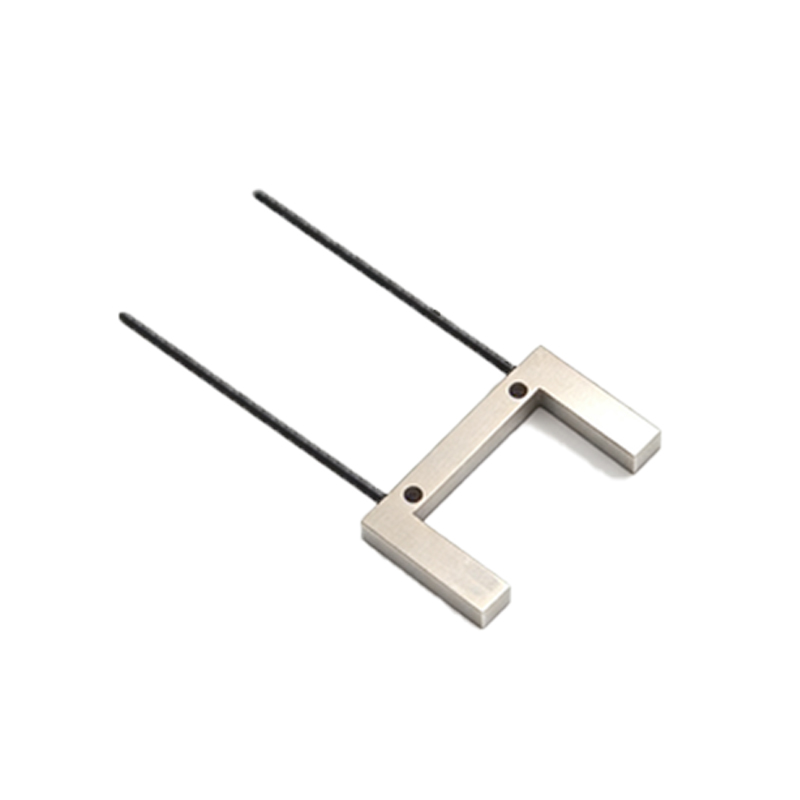
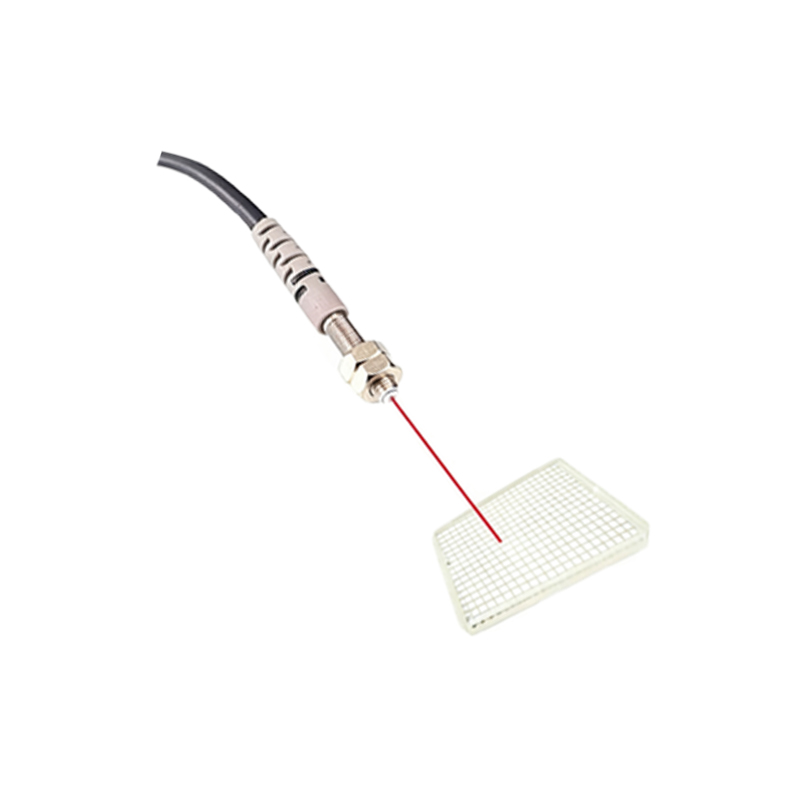
At their heart, Black Label photoelectric sensors operate on the fundamental principle of light modulation. They consist of an emitter, which projects a light beam (typically visible red, infrared, or laser), and a receiver that detects changes in the received light signal. The premium nature of these sensors is defined by the quality and innovation within this basic framework. Key technologies include precise background suppression for accurate distance-based detection irrespective of object color, true background suppression for ignoring reflective backgrounds, and polarized retro-reflective sensing to eliminate false triggers from shiny objects. Advanced models feature high-speed response times in the microsecond range and extremely small, precise light spots enabled by laser diodes, allowing for the detection of minuscule parts or precise edge positioning.
Superior Construction and Environmental Robustness
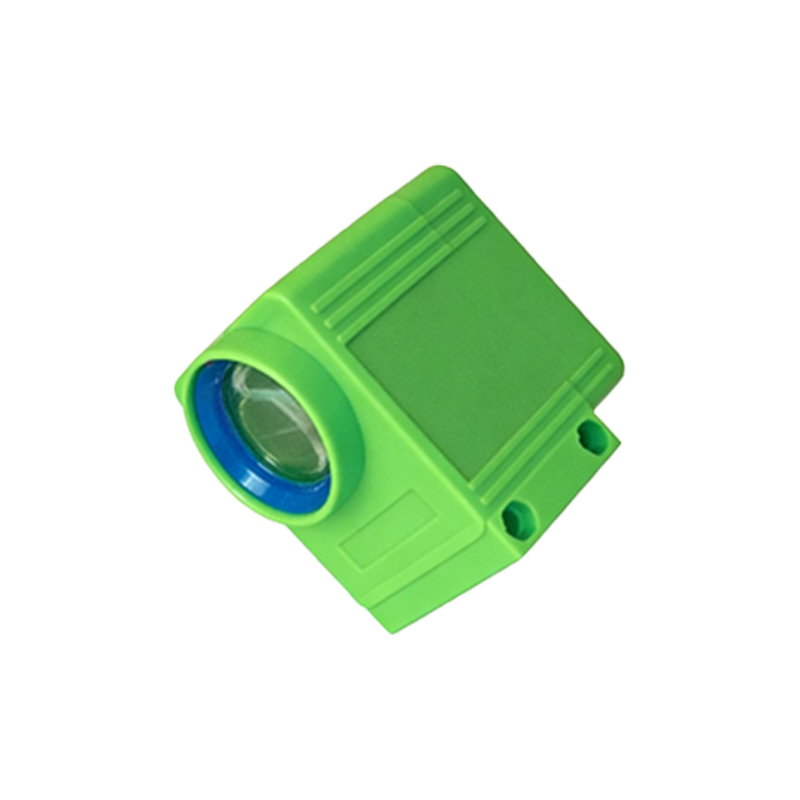
The "Black Label" designation often signifies a build quality designed to withstand industrial extremes. Housings are typically constructed from high-grade stainless steel or ruggedized polymers with high IP (Ingress Protection) ratings, such as IP67, IP68, or IP69K, ensuring resistance to dust, water jets, and high-pressure washdowns. The lenses are made from scratch-resistant materials like tempered glass or specialized plastics. Internally, components are selected for wide operating temperature ranges, often from -30°C to +70°C, and high immunity to electrical noise (EMI/RFI). This robust construction minimizes downtime due to sensor failure, a critical factor in continuous production environments, and justifies their investment through a lower total cost of ownership.
Advanced Features and Intelligent Functionality
Modern Black Label photoelectric sensors transcend simple on/off detection. They are equipped with intelligent features that simplify integration and enhance process control. Many models offer programmable logic functions, allowing for basic timing, counting, or logic operations within the sensor itself, reducing the load on the central PLC. IO-Link communication is a prevalent feature, enabling digital parameter setting, remote diagnostics, and process data monitoring. Advanced diagnostics can provide warnings for lens contamination, misalignment, or performance degradation, facilitating predictive maintenance. Furthermore, features like teach-in functionality (for setting sensitivity via a button or remote signal) and adjustable response times allow for rapid setup and fine-tuning for specific applications.
Key Application Areas in Industry
The enhanced capabilities of Black Label sensors make them indispensable in specific, high-stakes applications. In packaging machinery, they ensure precise detection of transparent films, glossy labels, and low-contrast objects on high-speed lines. In automotive manufacturing, they provide reliable positioning of metal parts, verification of assembly completion, and robot guidance. The logistics and material handling sector relies on them for accurate parcel dimensioning, palletizing, and conveyor belt control. In food and beverage processing, their hygienic designs and washdown capabilities are crucial for detecting products on stainless steel conveyors. Essentially, any application involving difficult-to-sense materials, harsh environments, or requiring ultimate precision is a prime candidate for a Black Label photoelectric solution.
Selection Criteria and Integration Best Practices
Selecting the appropriate Black Label sensor requires a detailed analysis of the application parameters. Engineers must consider the sensing mode (through-beam, retro-reflective, or diffuse), the required sensing range, the size and material of the target object, and the environmental conditions. The required response speed and output type (PNP/NPN, analog, IO-Link) are also critical. During integration, proper mounting, alignment, and wiring are paramount. Utilizing alignment tools or sensors with built-in alignment indicators can save significant commissioning time. Ensuring a stable power supply and protecting cables from physical damage and electrical interference are essential steps to unlock the full potential and longevity of these high-performance sensors.
The Future of High-Performance Photoelectric Sensing
The evolution of Black Label photoelectric sensors is closely tied to Industry 4.0 trends. Future developments will see even greater integration of smart sensor capabilities, with enhanced data analytics directly at the edge of the network. Miniaturization will continue, allowing for installation in increasingly tight spaces without sacrificing performance. Furthermore, advancements in light source technology, such as blue laser diodes, will improve detection capabilities for specific materials like red-hot metals or certain organic substances. The convergence of robust sensing hardware with sophisticated, data-rich software platforms will solidify the role of these premium sensors as not just detectors, but as intelligent nodes within the connected factory ecosystem.