Introduction to GLT Photoelectric Sensors
In the realm of industrial automation, reliable object detection is paramount. Among the various sensing technologies available, photoelectric sensors stand out for their versatility, precision, and non-contact operation. The GLT series of photoelectric sensors represents a robust and widely adopted solution engineered for demanding industrial environments. These sensors utilize a light emitter and a receiver to detect the presence, absence, or distance of an object by interpreting changes in a light beam. Their ability to function across diverse materials, colors, and surface finishes makes them indispensable in applications ranging from packaging and material handling to assembly and safety systems. This guide delves into the operational principles, key features, and practical applications of GLT photoelectric sensors.
Core Operating Principles
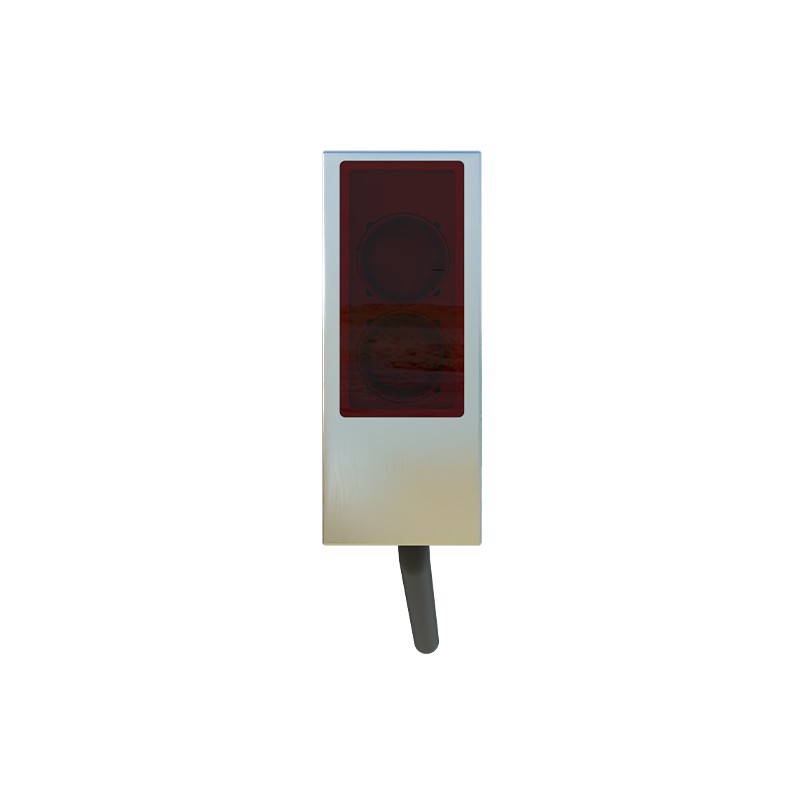
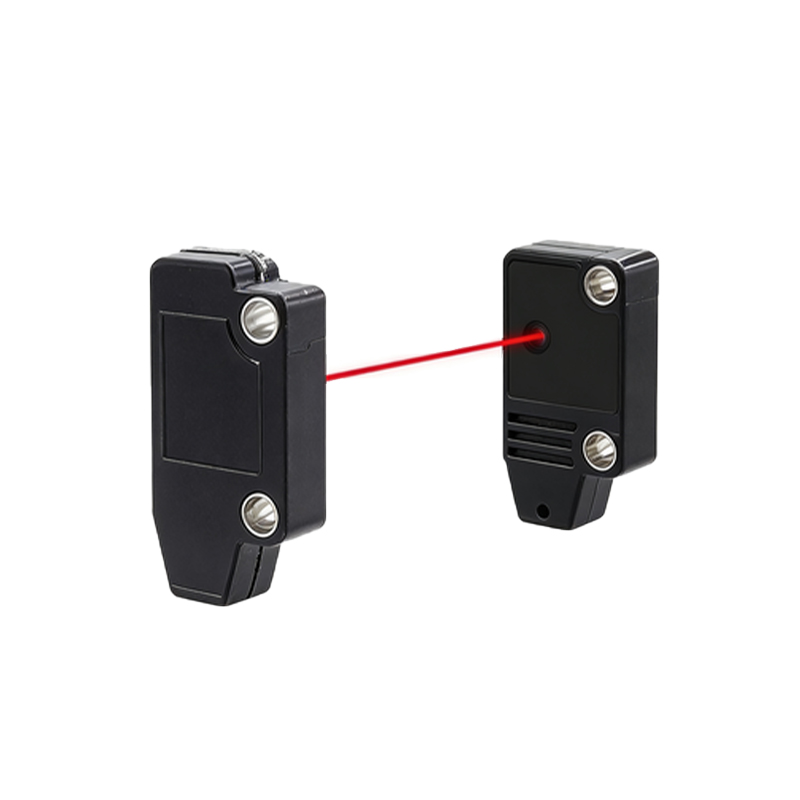
GLT photoelectric sensors operate on three primary modes: through-beam, retro-reflective, and diffuse reflective. In through-beam mode, the emitter and receiver are housed in separate units. An object is detected when it interrupts the direct beam of light traveling from the emitter to the receiver. This mode offers the longest sensing range and highest reliability, as it is largely unaffected by the object's color, texture, or angle. Retro-reflective mode employs a single housing containing both emitter and receiver. The unit projects light onto a specialized reflector, which bounces the beam directly back. Detection occurs when an object blocks this reflected beam. Diffuse reflective sensors, also with a combined emitter and receiver, detect objects by measuring the light scattered back from the object's surface itself. This mode is highly dependent on the object's color and reflectivity, with shorter ranges but simpler installation.
Key Technical Features and Specifications
The GLT series is designed with a focus on durability and performance. Typical specifications include a sensing range that can vary from a few centimeters to several meters, depending on the model and operating mode. They often feature a robust housing rated at IP67 or higher, providing excellent resistance to dust, water, and mechanical impact. Electrical compatibility is a strong suit, with models available for various DC voltage inputs (e.g., 10-30V DC) and output configurations including NPN, PNP, and relay contacts. Many GLT sensors incorporate advanced functionalities such as background suppression, which allows for precise detection independent of the background surface, and teach-in programming for easy adjustment of sensitivity and switching points directly on the device.
Advantages in Industrial Applications
The advantages of implementing GLT photoelectric sensors are numerous. Their non-contact nature eliminates mechanical wear and tear, ensuring a long operational lifespan and reducing maintenance costs. They provide extremely fast response times, often in the microsecond range, which is critical for high-speed production lines and precision counting tasks. Furthermore, their ability to detect a wide variety of objects—transparent, opaque, metallic, or non-metallic—offers unparalleled flexibility. The compact design of many GLT models allows for installation in space-constrained locations, while built-in LED indicators for power and output status facilitate quick setup and troubleshooting.
Common Application Scenarios
GLT photoelectric sensors find utility in a vast array of industrial settings. In conveyor systems, they are used for object counting, jam detection, and positioning control. Within packaging machinery, they ensure correct box flap closure, label presence verification, and fill-level detection for bottles. In automated assembly lines, they confirm the presence of components before a robotic arm engages or verify the correct orientation of parts. Safety applications include light curtains and area guarding to protect personnel by detecting entry into hazardous zones. Their reliability is also leveraged in logistics for palletizing and warehouse automation.
Installation and Alignment Best Practices
Proper installation is crucial for optimal sensor performance. For through-beam sensors, precise alignment of the emitter and receiver is essential; built-in alignment aids or laser markers can significantly simplify this process. When installing retro-reflective sensors, ensure the reflector is clean and correctly angled, and be mindful of highly reflective objects in the sensing path that could cause false triggers. For diffuse sensors, consider the target object's color and surface finish, as these factors directly influence the effective sensing distance. Always secure the sensor firmly to minimize vibration, and ensure the electrical connections are correct and protected from strain. Regularly cleaning the lens with a soft cloth prevents dust accumulation that can attenuate the light signal.
Troubleshooting and Maintenance
Despite their robustness, GLT sensors may occasionally require troubleshooting. Common issues include failure to detect objects, intermittent operation, or constant output activation. Initial checks should always involve verifying the power supply voltage and inspecting for physical damage or a dirty lens. For through-beam and retro-reflective types, re-checking the alignment is a critical step. Environmental factors like strong ambient light, steam, or heavy dust can interfere with operation; using sensors with modulated infrared light or specific protective housings can mitigate these effects. Routine maintenance primarily involves keeping the optical surfaces clean and periodically checking mounting stability and cable integrity to ensure continuous, reliable service.