Introduction to Low Power Metal Proximity Sensors
In the realm of industrial automation and smart systems, the demand for efficient, reliable, and energy-conscious components is paramount. Among these, low power metal proximity sensors have emerged as a critical technology. These sensors are non-contact devices designed to detect the presence or absence of metallic objects within a specified sensing range without any physical contact. The "low power" designation signifies their optimized design for minimal energy consumption, making them ideal for battery-operated devices, remote installations, and applications where reducing overall system power draw is a priority. They operate on fundamental principles of electromagnetism, offering a blend of precision, durability, and efficiency that is highly valued across numerous sectors.
Core Operating Principles
The functionality of low power metal proximity sensors is primarily based on electromagnetic induction or the eddy current principle. A typical sensor contains an oscillator circuit that generates a high-frequency electromagnetic field from its sensing face. When a metallic target enters this field, eddy currents are induced on the surface of the metal. These currents absorb energy from the oscillator, causing a change in its amplitude or frequency. The sensor's detection circuit monitors this change. Once the disturbance reaches a predetermined threshold, it triggers a solid-state output switch, signaling the presence of the metal object. Advanced designs incorporate sophisticated microcontrollers and sleep modes, periodically waking to check for targets and then returning to a low-current state, thereby drastically reducing average power consumption.
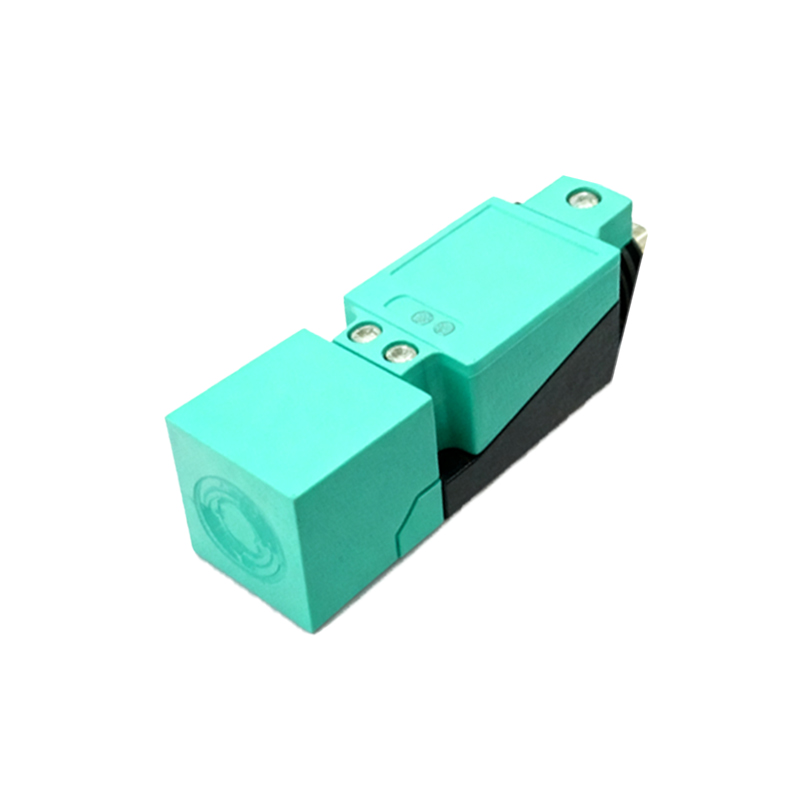
Key Design Features and Advantages
Several design features distinguish modern low power metal proximity sensors. First is their ultra-low quiescent current, often in the microampere range. They frequently employ duty-cycling techniques and wake-on-proximity architectures. The housing is typically constructed from stainless steel, nickel-plated brass, or PBT plastic, ensuring robustness against mechanical stress, cutting fluids, and industrial chemicals. Many models are fully sealed to IP67 or IP69K standards, making them resistant to water and dust ingress. Their compact size allows for easy integration into tight spaces. The primary advantages include extended battery life in portable systems, reduced heat generation, lower operational costs, and enhanced suitability for safety-critical or energy-harvesting applications where power is a constrained resource.
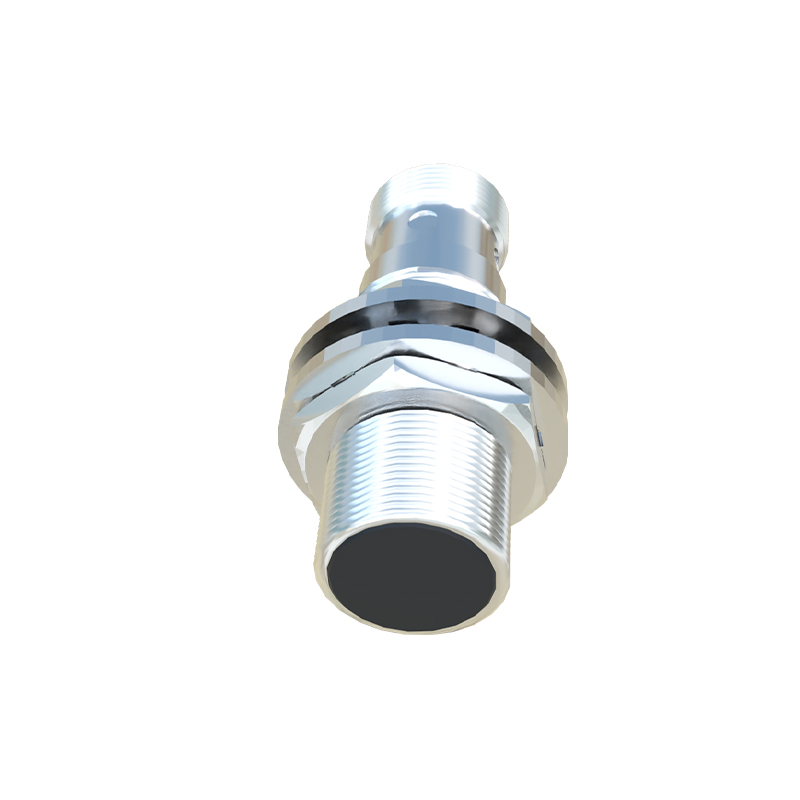
Primary Industrial Applications
The application spectrum for these sensors is vast. In factory automation, they are used for precise position detection of metal parts on conveyor belts, in robotic arms for end-effector positioning, and in assembly lines for part counting and jam detection. The automotive industry utilizes them for gear tooth sensing, brake pad wear detection, and door closure verification. In consumer electronics and IoT, they enable features like laptop lid-open/close detection and smart locker security. Their low power nature is crucial for wireless sensor networks in predictive maintenance, where sensors monitor the condition of rotating machinery and transmit data intermittently, operating for years on a single battery.
Selection Criteria and Installation Considerations
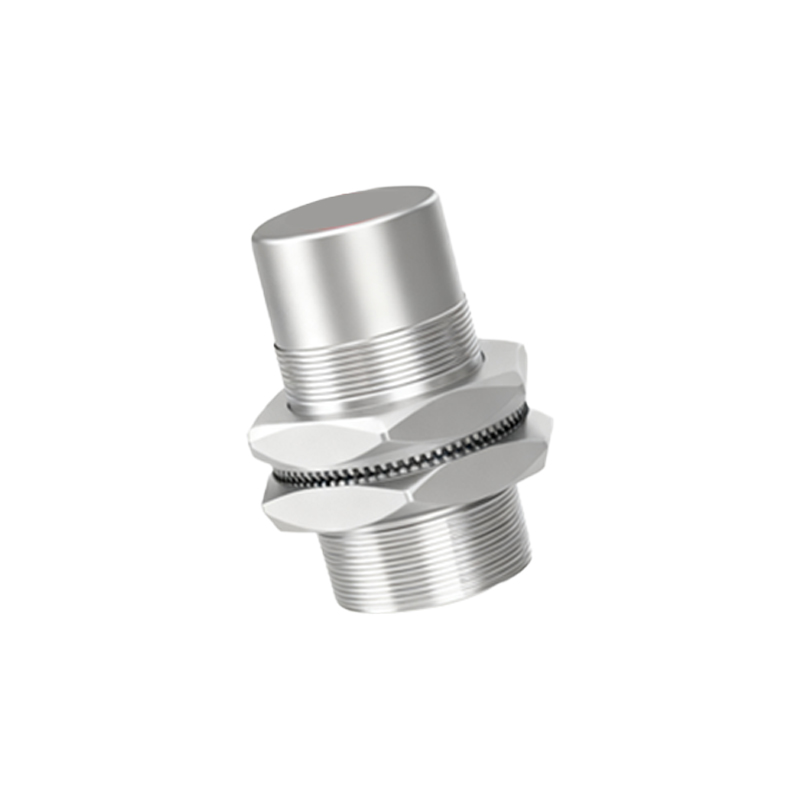
Selecting the appropriate low power metal proximity sensor requires careful analysis of several parameters. The sensing distance, which is typically short-range (from 1mm to 15mm for standard models), must be specified with a safety margin. The target material (ferrous metals like iron and steel are detected at longer ranges than non-ferrous metals like aluminum or copper) is a critical factor. Engineers must also consider the required output type (PNP, NPN, analog, or IO-Link), supply voltage range, and response time. Proper installation is vital; sensors should be mounted securely to avoid vibration-induced errors, and adequate clearance from surrounding metal (the "flush-mountable" or "non-flush" characteristic) must be respected to ensure stated sensing ranges are achieved.
Future Trends and Developments
The future of low power metal proximity sensing is intertwined with trends in Industry 4.0 and the Industrial Internet of Things (IIoT). We are witnessing integration with wireless communication protocols like Bluetooth Low Energy (BLE) and Zigbee for easier data acquisition. The development of sensors with integrated energy harvesting capabilities, perhaps from vibration or thermal gradients, promises truly maintenance-free operation. Furthermore, advancements in semiconductor technology are enabling smarter sensors with embedded diagnostics, self-monitoring features, and the ability to communicate not just state, but also health and prognostic data, facilitating a shift from preventive to predictive maintenance paradigms.