Introduction to Photoelectric Sensing
Photoelectric sensors are indispensable components in modern industrial automation, offering non-contact detection of objects based on the presence or interruption of a light beam. Their operation hinges on a fundamental trio: an emitter (light source), a receiver, and associated signal processing circuitry. The emitter projects a beam of light, which is then received. The presence, absence, or change in the properties of this received light is interpreted by the sensor's electronics to produce a discrete output signal. This principle enables reliable detection of a vast array of materials, regardless of surface texture, color, or material composition, making them superior to mechanical limit switches in many applications. Their versatility, long sensing ranges, fast response times, and lack of physical contact (minimizing wear) solidify their role in packaging, material handling, assembly, and safety systems.
Through-Beam Sensors
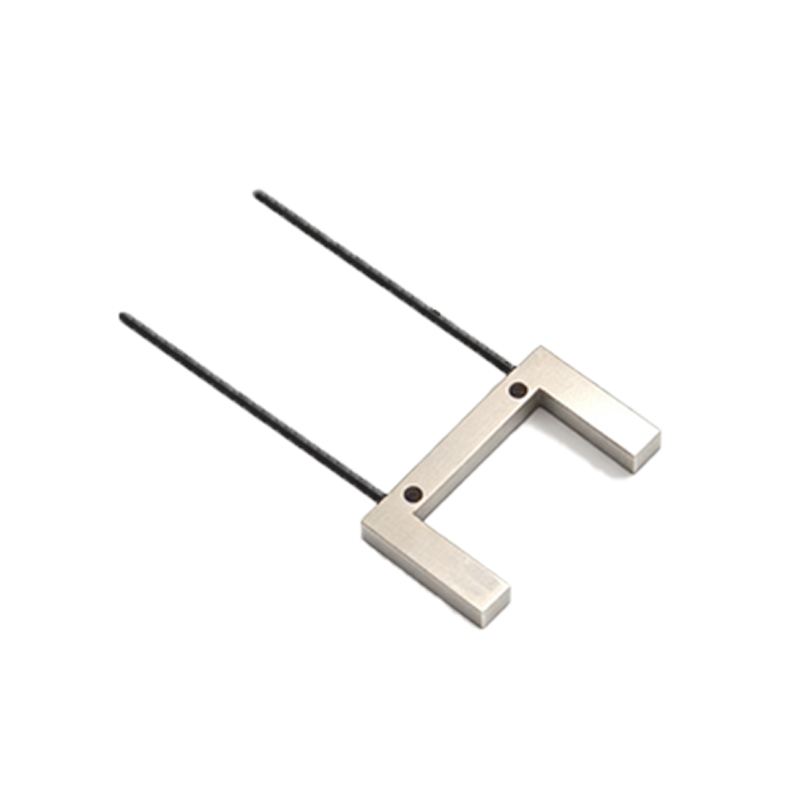
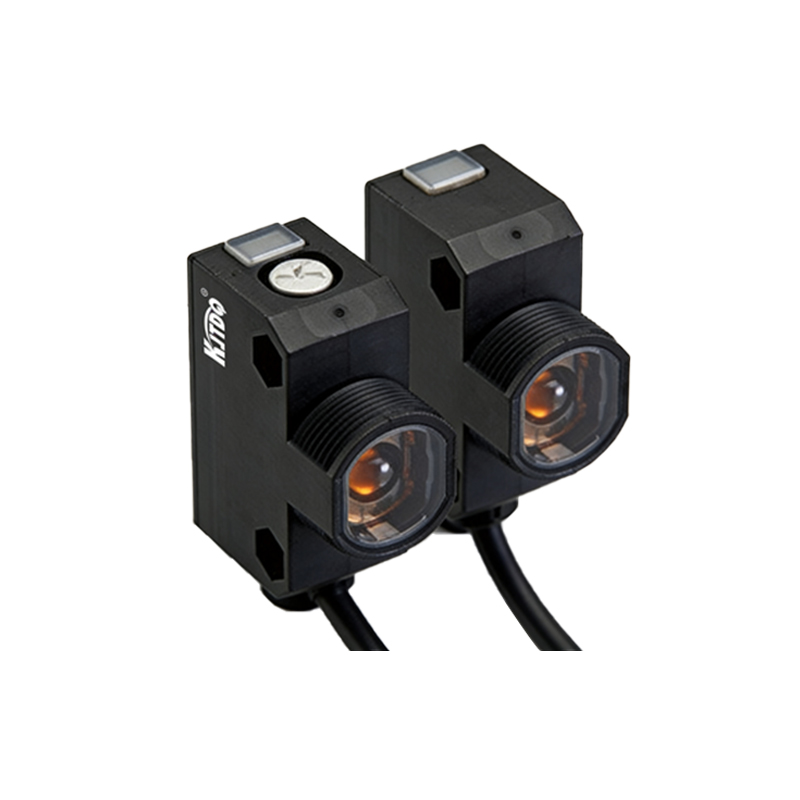
Often considered the most robust and reliable type, through-beam sensors, also known as opposed-mode sensors, consist of two separate units: a transmitter and a receiver placed directly opposite each other. The transmitter continuously emits a light beam, typically from an LED, which is aimed directly at the receiver. Detection occurs when an object physically interrupts this beam, blocking the light from reaching the receiver. This mode offers the longest possible sensing ranges, often exceeding 100 meters in optimized setups. It provides high excess gain, meaning it can tolerate significant amounts of dust, dirt, or minor misalignment on the lenses without false triggering. The primary drawback is the need for two separate devices and their wiring, requiring careful installation and alignment on both sides of the detection point. They are ideal for precise detection of small objects, in harsh environments, or over very long distances.
Retroreflective Sensors
Retroreflective sensors combine the emitter and receiver into a single housing, simplifying installation. They operate by directing a light beam towards a specialized reflector, often a corner-cube reflector made of prisms or bead-coated material. This reflector is designed to return the light beam directly back to its source along the same path, regardless of the angle of incidence. The sensor detects an object when it breaks this return beam. This design offers a good balance of sensing range (typically up to 10-15 meters) and installation convenience, as only one device needs wiring and power. A critical consideration is the potential for false triggers from shiny objects. A highly reflective target might mimic the reflector and bounce sufficient light back to the receiver. To combat this, many retroreflective sensors use polarizing filters. The emitter's light is polarized, and the receiver has a cross-polarized filter. The retroreflector is designed to rotate the polarization, allowing the reflected light to pass, while light reflected from a simple shiny surface maintains its original polarization and is blocked.
Diffuse Reflective Sensors
Diffuse reflective sensors, or proximity-mode sensors, are the most compact and easiest to install, as they require only a single unit and no separate reflector. Both the emitter and receiver are housed together. The sensor detects an object by relying on the diffuse reflection of its own emitted light from the target's surface. The light scatters in many directions, and a small portion reflects back to the receiver. Detection is triggered when the intensity of this returned light exceeds a set threshold. Their major advantage is simplicity. However, sensing range is relatively short, heavily dependent on the target's color, size, and surface texture (light, matte surfaces work best; dark, shiny, or angled surfaces are problematic). They are also susceptible to background interference, where a distant, highly reflective surface might be mistakenly detected. Background suppression (BGS) and foreground suppression (FGS) variants use triangulation principles to define a precise sensing window, ignoring objects beyond or before a set distance, greatly enhancing reliability for specific applications.
Specular Reflective Sensors
Specular reflective sensors are a specialized type designed to detect objects with mirror-like, glossy surfaces. Similar in housing to diffuse sensors, they operate on a different optical principle. The emitter and receiver are positioned at equal but opposite angles relative to the sensor's central axis. The sensor is carefully aligned perpendicular to the expected position of the shiny target surface. When the target is present, it acts like a mirror, specularly reflecting the emitted light beam directly into the receiver at the complementary angle. If the target is absent, tilted, or has a matte finish, the light scatters diffusely and is not received, triggering an output change. This makes them excellent for quality control tasks, such as verifying the presence of a polished metal surface, detecting transparent glass or films (which often have a slight reflective sheen), or checking for labels on glossy packaging. They are highly immune to background objects and colored surfaces, as only a near-perfect reflective surface at the correct orientation will trigger detection.