Introduction to Glass Proximity Sensors in Harsh Environments
In the demanding landscape of modern industrial automation, proximity sensors are indispensable for non-contact detection, positioning, and control. However, when operations involve exposure to aggressive chemicals, particularly strong acids like sulfuric, hydrochloric, or nitric acid, standard sensor housings face rapid degradation. This is where specialized corrosion-resistant glass proximity sensors become critical. These sensors are engineered with a sensing face and housing components made from high-purity, chemically inert glass or glass-ceramic composites. This material choice provides an exceptional barrier against acid attack, ensuring long-term reliability and signal integrity in environments that would quickly compromise metallic or polymer-based sensors. The fundamental operating principle—often inductive, capacitive, or optical—remains unchanged, but the encapsulation material is specifically tailored for survival and performance in corrosive settings.
Material Science Behind Acid Resistance
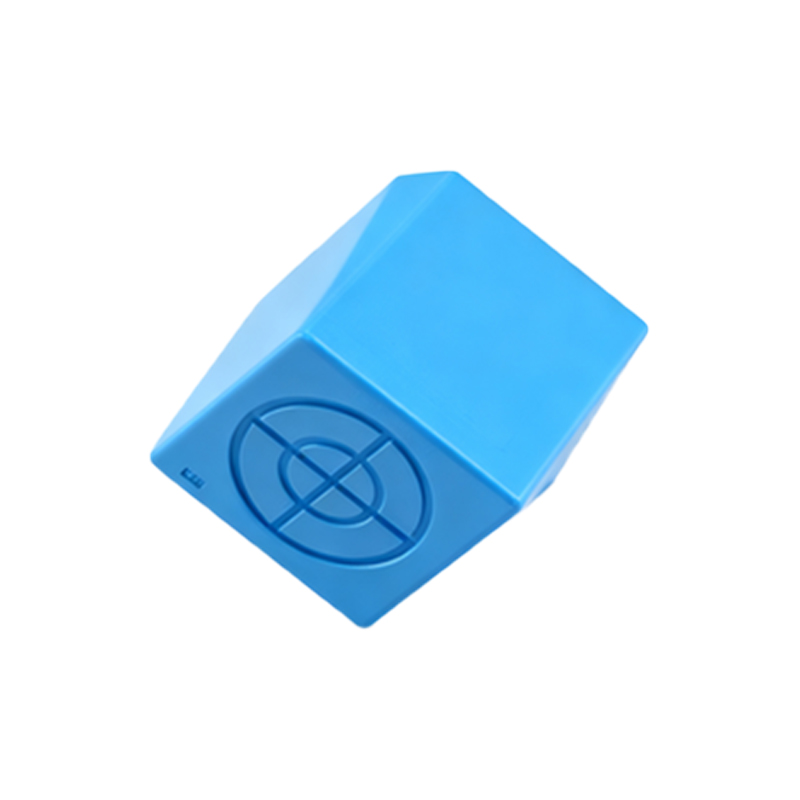
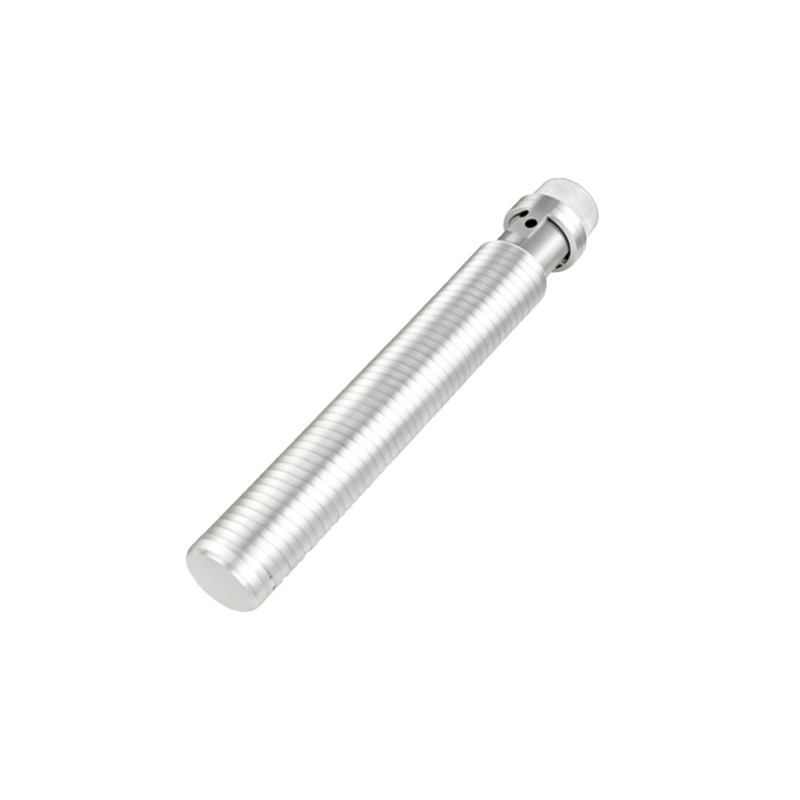
The core of a sensor's resistance lies in its material composition. For strong acid applications, borosilicate glass (similar to laboratory glassware) is a common choice due to its low coefficient of thermal expansion and excellent resistance to thermal shock and chemical corrosion. For even more extreme conditions, sensors may utilize fused quartz or specialized glass-ceramics. These materials offer superior chemical inertness, maintaining their structural integrity and dielectric properties when exposed to concentrated acids. The manufacturing process involves hermetically sealing the sensitive electronic components within this glass enclosure. This seal is paramount; it must be flawless to prevent any acid ingress that could corrode internal circuitry. Advanced bonding techniques, such as glass-to-metal sealing using precisely matched expansion coefficients, are employed to create a durable, leak-proof unit capable of withstanding both chemical and mechanical stress.
Key Design Features and Specifications
Designing a glass proximity sensor for acid detection goes beyond material selection. The sensor head is typically designed with a smooth, non-porous surface to prevent acid from pooling or adhering, facilitating easy cleaning. Mounting threads are often made from PTFE-coated stainless steel or other resistant alloys, complementing the glass body. From a technical standpoint, these sensors must maintain stable electrical characteristics. For inductive sensors, the glass face does not interfere with the electromagnetic field used to detect metallic targets. Key specifications include sensing distance (which may be slightly reduced compared to plastic-faced sensors), operating temperature range (glass handles high temperatures well), response frequency, and protection rating (typically IP67/IP68 or IP69K for wash-down environments). Importantly, the output signal (PNP/NPN, analog, IO-Link) remains robust, ensuring compatibility with standard PLCs and control systems.
Primary Applications in Industry
The use cases for acid-resistant glass proximity sensors are widespread across process industries. In chemical and pharmaceutical manufacturing, they are deployed for level detection in acid storage tanks, position sensing of agitators in reaction vessels, and monitoring valve positions in piping systems carrying corrosive fluids. The metal plating and surface treatment industry relies heavily on these sensors for automation within acid pickling, etching, and anodizing lines. In wastewater treatment plants, they monitor equipment in areas exposed to acidic effluents. Furthermore, in food processing where aggressive cleaning acids (e.g., CIP fluids) are used regularly, these sensors ensure automation systems continue to function reliably through high-pressure, high-temperature wash cycles without sensor failure.
Installation, Maintenance, and Best Practices
Proper installation is crucial to maximize sensor lifespan. Sensors should be mounted to minimize direct impingement of acid streams, though their design accounts for splash and immersion. Using compatible gaskets (e.g., Viton) for sealing is essential. While maintenance requirements are significantly lower than for standard sensors, periodic visual inspection of the glass face for cracks or heavy buildup is recommended. Cleaning should be performed with gentle methods compatible with the sensor's material; abrasive cleaners can damage the surface. A major best practice is to verify the chemical compatibility of the specific glass type with the exact acid concentration and temperature in the application. Most reputable manufacturers provide detailed chemical resistance charts to guide selection and prevent costly misapplication.
Advantages Over Alternative Solutions
Choosing a glass-bodied sensor offers distinct advantages over other corrosion-countering methods. Compared to sensors with plastic (e.g., PVDF) housings, glass offers superior resistance to a broader range of concentrated acids and higher temperatures. Versus applying a protective coating to a standard sensor, a monolithic glass construction is far more reliable and durable, with no risk of coating degradation or delamination. While all-stainless steel sensors exist, certain acids, like hydrochloric, can attack stainless steels; glass provides absolute inertness. The primary advantage is total lifecycle cost: reduced downtime, elimination of frequent sensor replacements, and prevention of production halts due to sensor