Introduction to Photoelectric Sensors
Photoelectric sensors are versatile devices that detect the presence, absence, or distance of objects using a light transmitter and receiver. They operate by emitting a beam of light, which is then either reflected back to the receiver or interrupted by an object. This technology offers high precision, reliability, and non-contact detection, making it suitable for diverse environments. Common types include through-beam, retro-reflective, and diffuse reflective sensors, each with unique advantages for specific applications. Their ability to function in harsh conditions, such as extreme temperatures or dusty areas, further enhances their utility across sectors. As automation and smart manufacturing evolve, photoelectric sensors continue to play a critical role in improving efficiency and safety.
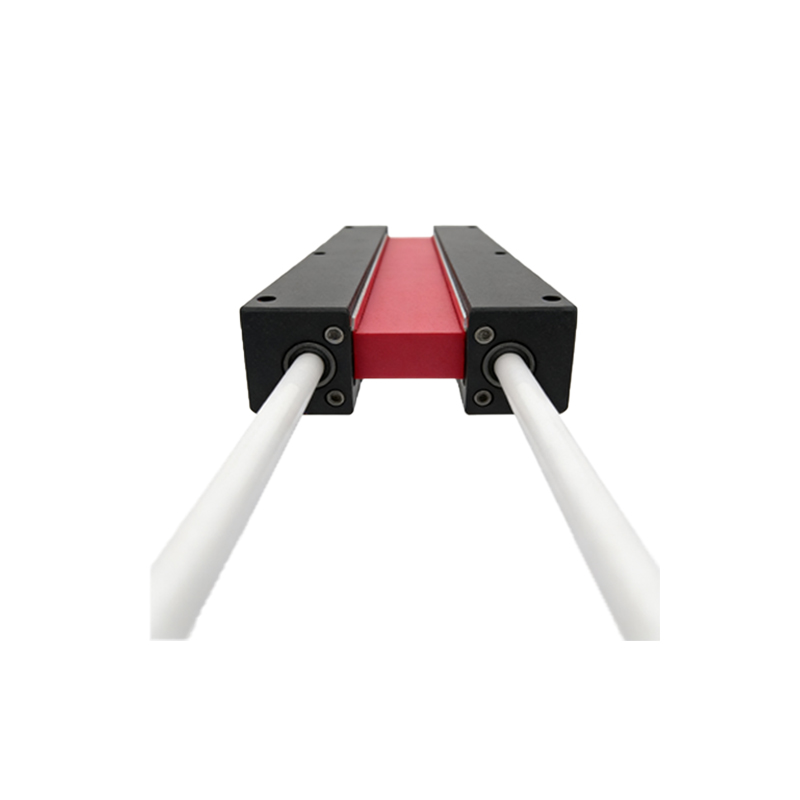
Manufacturing and Assembly Lines
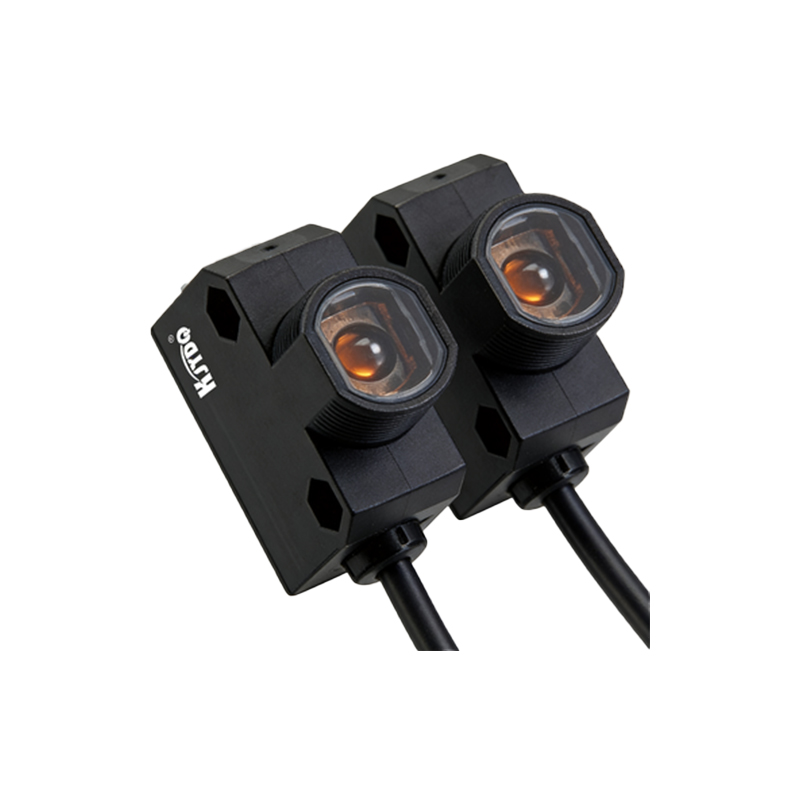
In manufacturing, photoelectric sensors are integral to automation processes. They are used for object detection on conveyor belts, ensuring items are properly positioned for assembly or packaging. For example, sensors can count products as they pass by, trigger robotic arms to pick and place components, or verify the presence of parts in machinery. This reduces manual labor, minimizes errors, and increases production speed. In automotive assembly, sensors detect vehicle parts during welding or painting, enhancing quality control. Their fast response time and accuracy help maintain seamless operations, even in high-speed production environments.
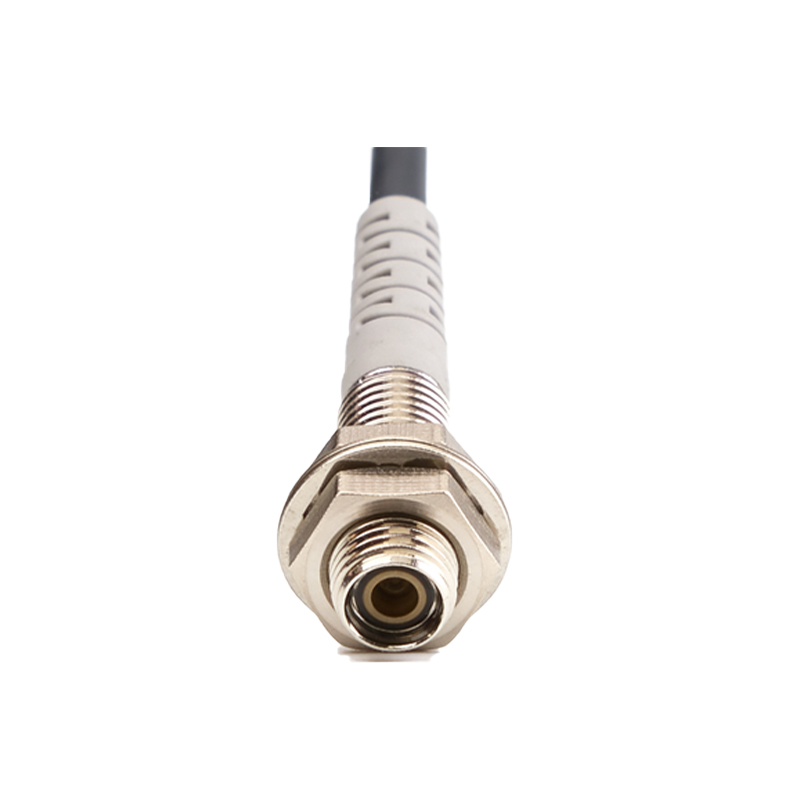
Packaging and Material Handling
The packaging industry relies heavily on photoelectric sensors for efficiency and precision. Sensors monitor fill levels in containers, detect labels on bottles, or ensure boxes are sealed correctly. In material handling systems, they guide automated guided vehicles (AGVs) by sensing floor markings or obstacles, preventing collisions. Sensors also sort items based on size or color in distribution centers, streamlining logistics. By providing real-time data, they enable automated adjustments, reducing waste and downtime. Their durability in dusty or humid packaging areas ensures consistent performance without frequent maintenance.
Food and Beverage Processing
Photoelectric sensors are essential in food and beverage production due to their hygiene and reliability. They detect containers on filling lines, such as bottles or cans, to control liquid levels accurately. Sensors also verify cap placement or check for broken seals, ensuring product safety. In processing plants, they monitor ingredient flow or detect contaminants in packaging. Since these sensors are often made from stainless steel or have washdown capabilities, they withstand cleaning chemicals and moisture. This compliance with sanitary standards helps maintain quality while meeting industry regulations.
Pharmaceutical and Medical Devices
In pharmaceuticals, photoelectric sensors support precise manufacturing and packaging. They count pills in blister packs, inspect vial labels, or detect misaligned caps on medicine bottles. This ensures dosage accuracy and prevents contamination. Medical device assembly uses sensors to position components like syringes or implants, enhancing production consistency. Their non-contact nature avoids product damage, crucial for sterile environments. Additionally, sensors in hospital equipment, such as automated dispensers, monitor stock levels or patient movement, improving operational safety and efficiency.
Automotive and Transportation
The automotive sector employs photoelectric sensors for both manufacturing and vehicle systems. In factories, they assist in welding, painting, and assembly by detecting parts or guiding robots. For vehicles, sensors are used in advanced driver-assistance systems (ADAS), such as parking aids or collision avoidance, by sensing nearby objects. Public transportation systems utilize sensors for door control, passenger counting, or ticket validation. Their robustness against vibrations and temperature fluctuations makes them ideal for these dynamic applications, contributing to enhanced safety and automation.
Agriculture and Environmental Monitoring
Photoelectric sensors find applications in agriculture for automation and resource management. They monitor crop levels in harvesting equipment, detect soil moisture in irrigation systems, or sort produce based on size. In greenhouses, sensors control lighting or ventilation by detecting sunlight or humidity. Environmental monitoring uses them to track air quality particles or water flow in treatment plants. By enabling data-driven decisions, these sensors promote sustainable practices and increase yield. Their ability to operate outdoors in varying weather conditions ensures long-term reliability.
Conclusion and Future Trends
Photoelectric sensors are indispensable across industries, from manufacturing to healthcare, due to their accuracy and adaptability. As technology advances, trends like IoT integration allow sensors to connect with networks for real-time analytics, predictive maintenance, and smarter automation. Miniaturization and enhanced sensitivity will expand their use in robotics and consumer electronics. By continuing to innovate, photoelectric sensors will drive efficiency, safety, and sustainability in an increasingly automated world.