Introduction to Proximity Sensors
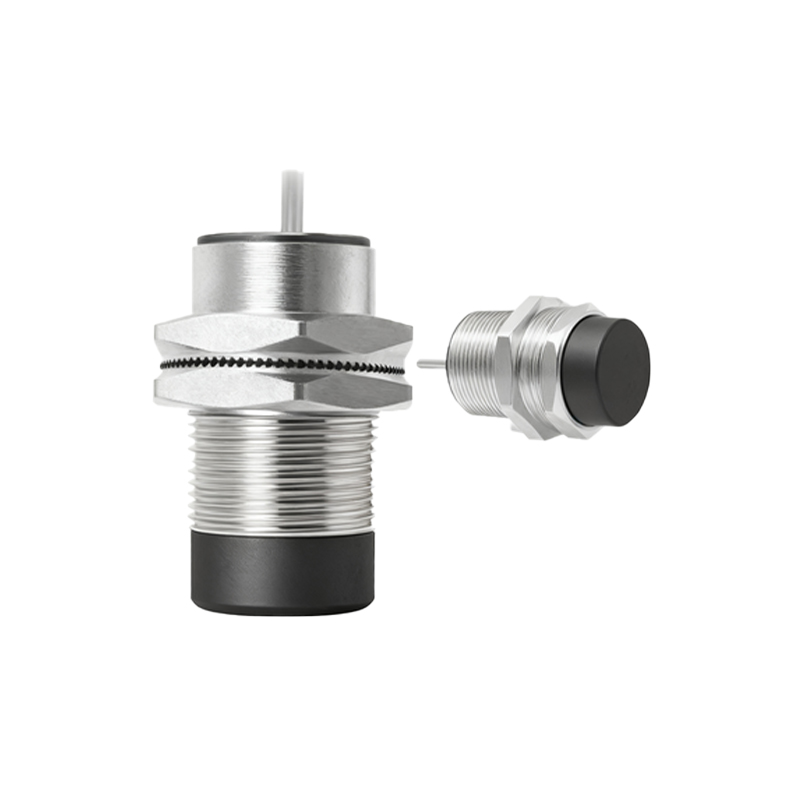
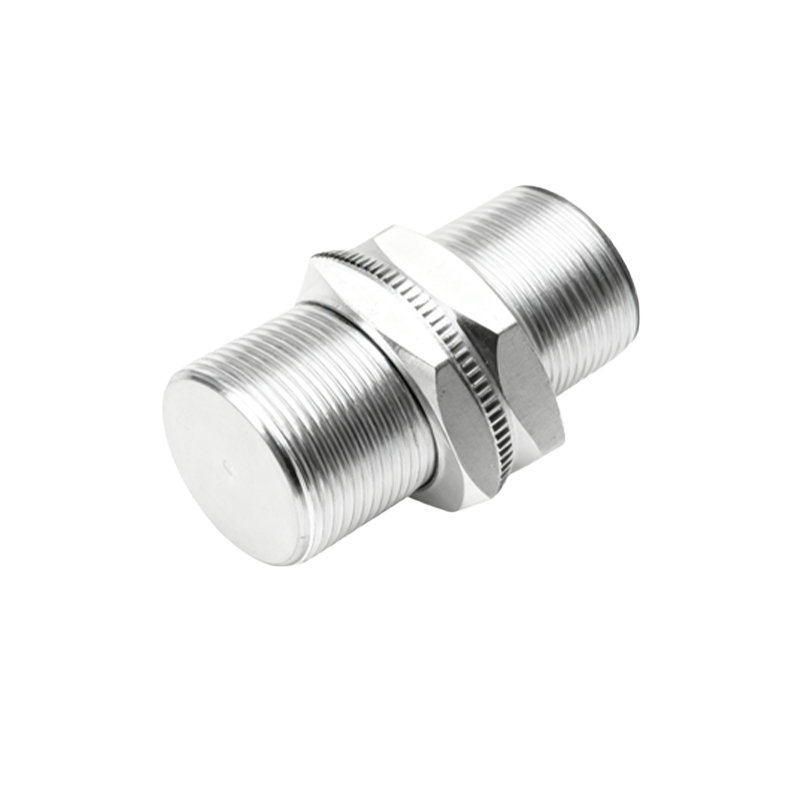
Proximity sensors are electronic devices designed to detect the presence or absence of objects within a specific range without physical contact. They operate based on various principles, such as electromagnetic fields, infrared light, or ultrasonic waves, making them versatile for numerous applications. These sensors are essential in modern automation and control systems, offering reliability, durability, and precision. By eliminating mechanical contact, they reduce wear and tear, enhance safety, and improve efficiency in industrial and commercial settings. Understanding their typical uses can help industries optimize processes and innovate in technology-driven environments.
Industrial Automation and Manufacturing
In industrial automation, proximity sensors play a critical role in streamlining production lines and ensuring operational safety. They are commonly used for object detection on conveyor belts, where they monitor the movement of items and trigger actions like sorting, counting, or packaging. For instance, in automotive manufacturing, these sensors detect the position of components during assembly, enabling robots to perform precise tasks such as welding or painting. Additionally, they serve as safety devices by monitoring machine guards and emergency stops, preventing accidents in hazardous areas. Their ability to function in harsh conditions, such as extreme temperatures or dusty environments, makes them indispensable in factories and plants worldwide.
Consumer Electronics and Appliances
Proximity sensors are integral to consumer electronics, enhancing user experience and device functionality. In smartphones and tablets, they detect when a user holds the device near their ear during a call, automatically turning off the screen to save power and prevent accidental touches. Similarly, in home appliances like automatic faucets or soap dispensers, these sensors activate water flow or soap release when hands are detected, promoting hygiene and convenience. They also find use in smart home systems, where they control lighting or security features by sensing motion or presence, contributing to energy efficiency and comfort in daily life.
Automotive and Transportation Systems
The automotive industry relies heavily on proximity sensors for safety, navigation, and automation. In vehicles, they are used in parking assistance systems to detect obstacles and alert drivers, reducing the risk of collisions. Advanced driver-assistance systems (ADAS) incorporate these sensors for features like lane departure warnings and adaptive cruise control, enhancing road safety. Beyond cars, proximity sensors are employed in public transportation, such as trains and buses, for door control and passenger counting. Their durability and accuracy support the growing trend toward autonomous vehicles, where real-time object detection is crucial for navigation and decision-making.
Healthcare and Medical Devices
In healthcare, proximity sensors contribute to patient care and medical equipment efficiency. They are used in hospital beds to monitor patient position and prevent falls, alerting staff when movement is detected. Medical devices like infusion pumps or diagnostic machines utilize these sensors to ensure proper operation, such as detecting the presence of test samples or monitoring fluid levels. Additionally, in hygiene-sensitive environments, touchless controls powered by proximity sensors minimize contamination risks, supporting infection control protocols. Their precision and reliability make them valuable in life-saving applications, from surgical tools to wearable health monitors.
Robotics and Aerospace Applications
Robotics and aerospace sectors leverage proximity sensors for precision and autonomy. In robotics, these sensors enable machines to navigate environments, avoid obstacles, and interact with objects, essential for tasks in manufacturing, logistics, or exploration. For example, robotic arms use proximity sensors to detect workpiece positions, ensuring accurate handling and assembly. In aerospace, sensors monitor aircraft components, such as landing gear or engine parts, for maintenance and safety checks. They also assist in drone technology, aiding in collision avoidance and stable flight operations. The high-performance requirements in these fields demand sensors with fast response times and robust designs.
Conclusion and Future Trends
Proximity sensors are ubiquitous across industries, driving innovation and efficiency in diverse applications. From industrial automation to consumer gadgets, their non-contact detection capabilities offer significant advantages in safety, convenience, and performance. As technology advances, these sensors are evolving with features like IoT integration and miniaturization, enabling smarter and more connected systems. Future trends may include enhanced sensitivity for delicate tasks or broader adoption in emerging fields like renewable energy or smart cities. By continuing to adapt to new challenges, proximity sensors will remain a cornerstone of modern engineering and automation solutions.