Factors Influctuating Microampere Photoelectric Sensor Costs
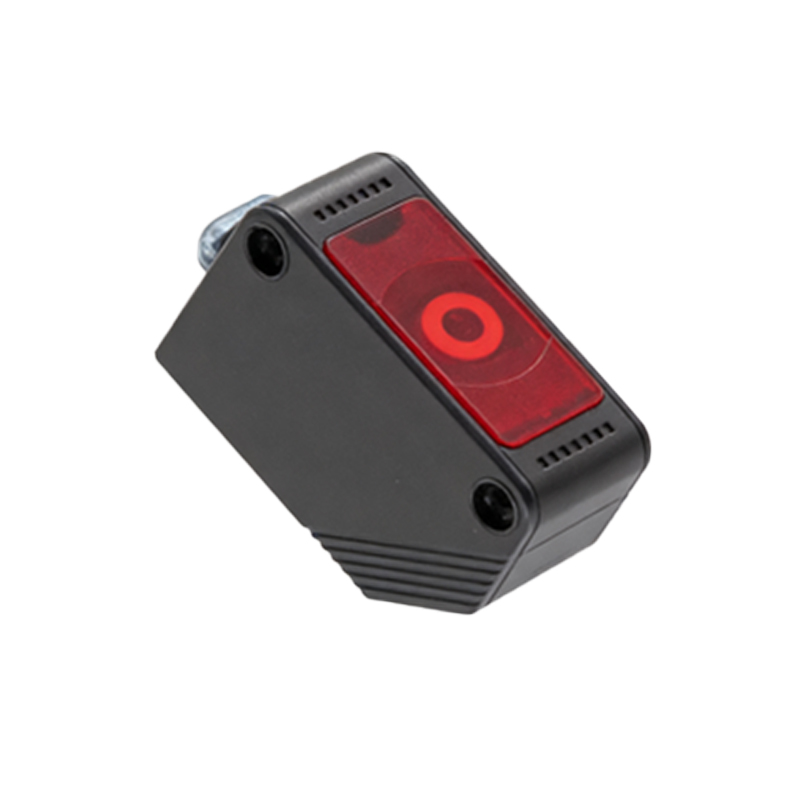
The pricing of microampere photoelectric sensors is not determined by a single variable but is the result of a complex interplay of multiple technical and market factors. At the core, the photoelectric principle itself—using a light emitter and receiver to detect objects—defines the base technology, but the implementation for microampere-level current consumption drives significant engineering considerations. The primary cost drivers begin with the selection of the light source. Standard infrared LEDs are cost-effective, but specialized versions with precise wavelengths or high-intensity output for long-range detection can increase component costs substantially. Similarly, the phototransistor or photodiode receiver must be matched in performance and sensitivity, with higher-grade components commanding premium prices. The housing material, typically stainless steel, brass, or engineered plastics like PBT, directly impacts both durability and cost, with IP67 or IP69K-rated enclosures for harsh environments adding to the manufacturing expense. The internal circuitry designed for ultra-low current draw often requires more precise and sometimes proprietary components to maintain stability and sensing reliability while minimizing power, which is a key engineering challenge reflected in the price.
Performance Specifications and Price Tiers
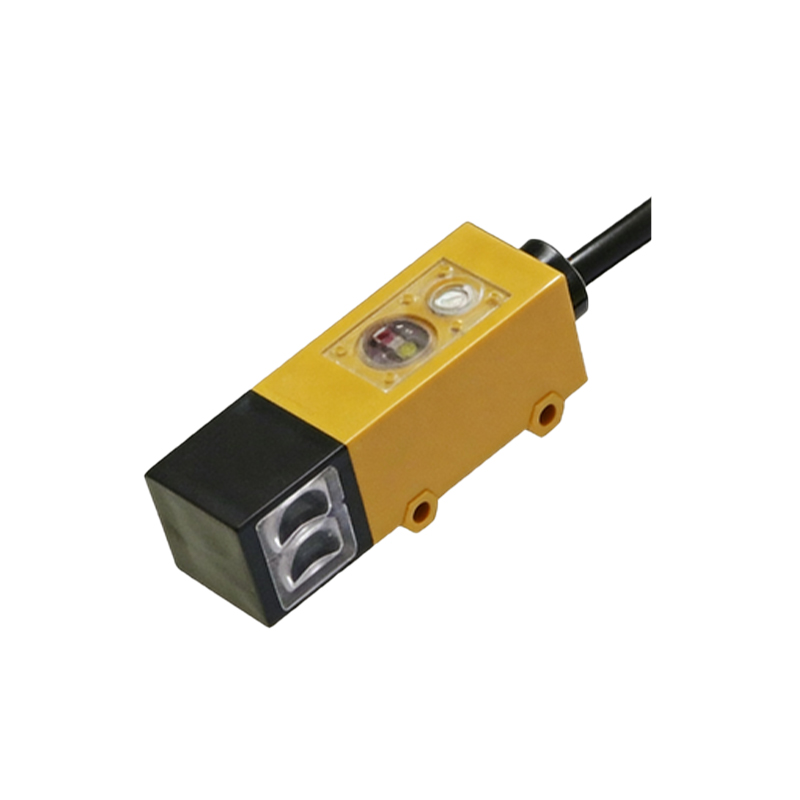
Sensor performance specifications create clear price segmentation in the market. Sensing range is a fundamental differentiator; a standard 1-meter diffuse sensor is commonplace, while models offering 15 meters or more for through-beam or long-range diffuse applications incorporate more powerful optics and electronics, elevating their cost. Response time is another critical factor. A sensor with a sub-millisecond response time, necessary for high-speed production lines, requires faster and more sensitive electronic components compared to a model with a standard 10ms response. The type of output also influences price. Basic models may offer a simple NPN or PNP transistor output. However, sensors featuring analog outputs (0-10V, 4-20mA) for distance measurement or IO-Link capability for digital communication, diagnostics, and parameterization represent a higher tier due to their added complexity and intelligence. Furthermore, special functional features like background suppression for precise color or contrast detection, or polarized filters to ignore glossy surfaces, integrate additional optical elements and processing logic, placing these sensors in a premium category.
Brand Reputation, Certification, and Supply Chain
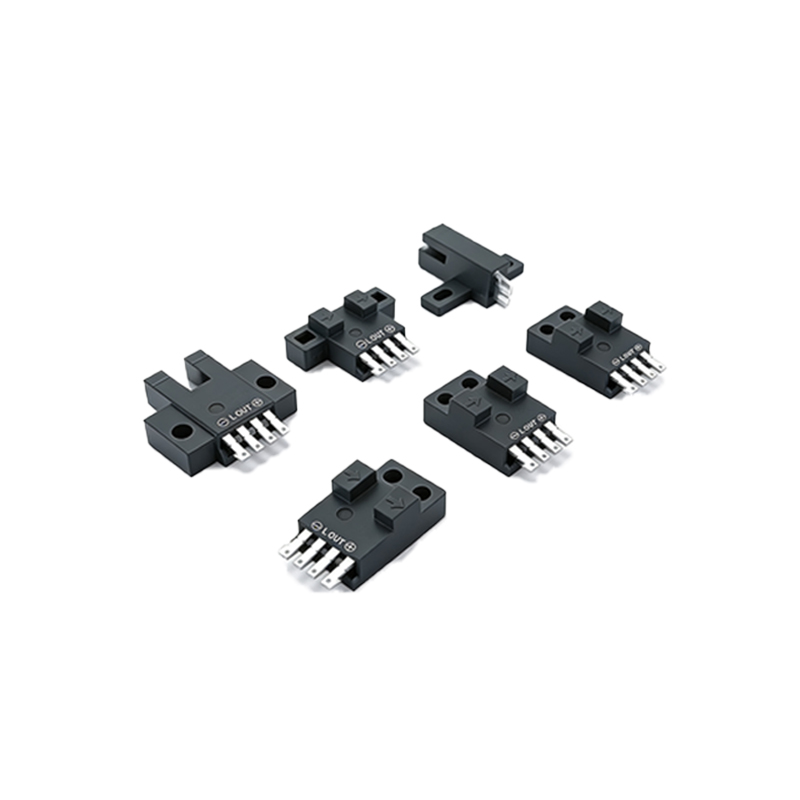
Beyond the physical product, intangible factors significantly affect the price point. Established global brands like Sick, Omron, Keyence, Banner Engineering, and Allen-Bradley (Rockwell Automation) carry a price premium rooted in decades of proven reliability, extensive R&D investment, global technical support, and comprehensive warranty programs. For critical industrial applications, this brand assurance often justifies the higher initial cost. Certifications are another cost adder. A sensor bearing CE, UL, cUL, or ATEX/IECEx certifications for use in hazardous environments has undergone rigorous and costly testing procedures to meet those standards, which is factored into its price. The current state of the global supply chain also plays a volatile role. Shortages of key semiconductors, logistical challenges, and fluctuations in raw material costs (e.g., copper, semiconductors) can cause price adjustments and lead time extensions across all manufacturers, independent of brand tier.
Cost Analysis: OEM vs. Retail and Volume Considerations
The purchasing channel dramatically alters the final price. Original Equipment Manufacturers (OEMs) integrating sensors into their machinery typically negotiate substantial volume-based discounts directly with manufacturers or authorized distributors, achieving the lowest per-unit cost. For end-users, system integrators, or maintenance departments purchasing smaller quantities, the price is higher through retail industrial distributors or online platforms. This price includes distributor markup, availability guarantees, and local support. Volume is the most powerful lever for cost reduction. A purchase order for 10,000 units will have a drastically different price structure than one for 10 units. Many manufacturers offer tiered pricing models that reward long-term contracts and high-volume commitments. Additionally, the total cost of ownership (TCO) extends beyond the purchase price to include installation time, wiring costs, reliability (and thus downtime avoidance), and ease of replacement, where a slightly more expensive, more reliable sensor can offer significant long-term savings.
Market Trends and Future Price Trajectory
The market for microampere photoelectric sensors is evolving, influencing future pricing trends. The relentless drive towards Industry 4.0 and the Industrial Internet of Things (IIoT) is increasing demand for smart sensors with integrated diagnostics and communication protocols like IO-Link. While adding upfront cost, these features enable predictive maintenance and data collection, potentially reducing long-term operational expenses. Miniaturization continues to be a trend, requiring advanced manufacturing techniques for compact, yet robust, designs. Conversely, the increasing availability of competitive alternatives from manufacturers in various global regions is applying downward pressure on prices for standard sensor types, offering cost-effective solutions for less demanding applications. Looking ahead, advancements in LED efficiency and integrated circuit design may gradually reduce the cost of core components, but this may be offset by the added value of enhanced connectivity and intelligence. Therefore, the price trajectory is expected to bifurcate: stable or slowly declining for basic models, and a sustained premium for advanced, feature-rich, smart sensors that deliver deeper operational insights.